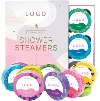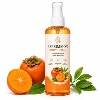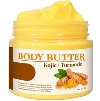


Choosing a private label body care manufacturer involves more than comparing catalogues, requesting several samples and selecting the lowest quotation. The manufacturer will influence the formula, product quality, packaging performance, regulatory documents, launch schedule and reliability of every repeat order.
A body care supplier may present a large product catalogue but outsource some categories. A laboratory sample may look good in a generic jar but perform differently during filling, transportation or storage. A low MOQ may apply to the finished product but not to printed bottles, pumps or cartons. Certificates may also be valid but issued to a different company or production address.
These problems are difficult and expensive to correct after packaging has been printed or bulk production has started.

This guide provides a practical method for screening, requesting quotations from, sampling and confirming a private label body care manufacturer. It is intended for brand owners, Amazon and DTC sellers, importers, distributors, retailers, spas and established product teams developing body wash, lotion, cream, body butter, scrub, body oil, deodorizing products or body care gift sets.
For a broader overview of formulas, product categories, packaging and manufacturing, begin with our private label body care development guide.
Quick Answer: How Do You Choose a Body Care Manufacturer?
A suitable body care manufacturer should have proven experience in the intended product category, a verifiable GMP or ISO 22716 quality system, controlled formula and sample revisions, realistic MOQ and lead times, packaging compatibility checks and appropriate technical document support.
The supplier should clearly explain what is produced in-house, what may be outsourced, which tests are included and which compliance responsibilities remain with the brand or importer. Before bulk production, it should also provide written product specifications and a commercial reference sample.
Price should be compared only after the formula, packaging, testing scope, quantity and delivery terms have been aligned. A low quotation has little value if it excludes essential packaging components, testing or documentation.
First Decide What Type of Manufacturing Support You Need
Private label, OEM and ODM are sometimes used interchangeably, but they represent different levels of manufacturer involvement. Define the required development route before contacting suppliers.
| Manufacturing route | Suitable for | Customization level | Main buyer consideration |
|---|---|---|---|
| Private label | Faster launches and initial market testing | Low to medium | Available formula documents and permitted changes |
| OEM | Brands with a defined brief, formula or specification | Medium to high | Specifications, tolerances and change control |
| ODM | Brands requiring formulation and development support | High | R&D, sampling and testing capability |
| Fully custom | Premium or differentiated product concepts | Very high | Development cost, timing, ownership and validation |
A mature private label formula can shorten the launch process, but the brand should understand its customization limits. A fully custom body care formula may offer greater differentiation, although it normally requires more sampling, testing, documentation and commercial commitment.
The terminology alone should not determine the decision. Two body care OEM manufacturers may both describe their service as ODM while offering very different levels of formula development, packaging sourcing and regulatory support. The exact scope should always be confirmed in writing.
Your Business Model Changes What You Should Prioritize
A startup or new DTC brand may prioritize manageable MOQ, available packaging and the option to begin with a mature formula. However, the first order should not be considered in isolation. The brand also needs to understand repeat-order pricing, component availability and how unused custom packaging will be managed.
Amazon and e-commerce sellers should pay closer attention to pump locking, leakage, label resistance, outer cartons and replenishment schedules. A product may survive full-carton export shipping but still leak or become scratched when delivered as an individual parcel.
Importers and distributors often need to manage several products, sizes or market labels within one order. Their priorities may include consistent documentation, consolidated production, carton standards, long-term pricing and the ability to coordinate multiple SKUs.
Established retail brands are more likely to require factory audits, written change control, batch traceability, larger production capacity and defined procedures for complaints, investigations and recalls.
The right custom body care manufacturer is not necessarily the supplier with the largest facility or lowest price. It is the manufacturer whose technical, commercial and quality systems match the buyer's project and sales channel.
1. Prepare a Clear RFQ Before Contacting Manufacturers
A request such as "I need a natural body lotion" does not provide enough information for an accurate quotation. If the brief is vague, each supplier may quote a different formula grade, packaging type and service scope.
A useful request for quotation should include eight core areas.
| RFQ information | What the buyer should provide |
|---|---|
| Product and formula route | Product category and whether the project needs a mature, modified or fully custom formula |
| Target customer and market | Intended user, product positioning and destination country |
| Product benchmark | Desired texture, fragrance, foam, absorption, finish or appearance |
| Formula requirements | Preferred ingredients, prohibited ingredients and planned claim direction |
| Packaging | Container type, capacity, closure, material and decoration |
| Quantity and target cost | Trial quantity, expected repeat volume and target price position |
| Testing and documents | Required testing, specifications and market-supporting documents |
| Timeline and delivery terms | Sample deadline, launch window, destination and preferred Incoterm |
Benchmark products are useful when the buyer explains what should be referenced. It may be the absorption speed, fragrance strength, foam profile, scrub particle size, pump output or retail presentation. Asking a manufacturer to "copy this product" without identifying the relevant characteristics often leads to unnecessary sample revisions.
Brands that are still deciding between lotion, cream, butter and oil can review our guide to choosing the right body moisturizer format before sending an RFQ.
2. Check Body Care Category Experience and In-House Production
A private label skincare manufacturer with experience in facial serums is not automatically qualified to produce every body care format. Body lotion, body butter, scrub, wash and body oil have different processing, preservation, filling and packaging requirements.
Ask the manufacturer which products are made at the quoted facility. If a formula, filling process or product category is outsourced, establish who controls the materials, manufacturing records, testing and finished-product release.
Relevant product samples are more useful than catalogue size. A buyer planning an oil-rich salt scrub should evaluate a similar scrub rather than judging the factory only from a lightweight lotion sample.
For lotions and creams, the body care OEM manufacturer should understand emulsification, viscosity, preservation, heat stability and pump compatibility. Body butter requires additional control of crystallization, melting behavior, cooling and filling. Scrubs need attention to particle distribution, oil leakage, sealing and wet-environment use. Body wash projects require experience with surfactants, pH, fragrance stability, foam and rinse feel.
The manufacturer should also explain how the approved laboratory sample will be transferred to a commercial batch. Mixing speed, batch size, heating, cooling and filling can affect the result. A good sample is only valuable when the factory can reproduce it during bulk manufacturing.
3. Verify the Factory, GMP System and Traceability
A certificate image displayed on a website is not enough to qualify a body care supplier.
Buyers should review the manufacturer's quality-system and certification information, then request complete certificates showing the legal company name, production address, scope, issuing organization and validity date.
ISO 22716 provides guidelines for cosmetic production, control, storage and shipment. It is an important reference for evaluating a cosmetic contract manufacturer, but buyers should also examine how the quality system works in practice.
Ask how incoming raw materials and packaging components are inspected, identified and released. The factory should be able to explain equipment cleaning, batch records, in-process checks, finished-product inspection and retained samples.
Traceability should connect every finished batch to raw-material lots, packaging lots, production records, test results and release approval. If a customer reports separation, leakage or an incorrect label, the supplier should be able to identify the affected batch and investigate the relevant records.
For larger retail or distribution projects, the buyer may also consider a live video review, third-party audit or on-site factory visit before approving the supplier.
4. Evaluate Formula Development and Sample Control
A capable R&D team asks detailed questions before preparing a sample. It should clarify the target market, benchmark, intended user, desired texture, fragrance, packaging, ingredient restrictions, claim direction and target cost.
Be cautious when a supplier promises a highly customized body care formula without asking for these details.
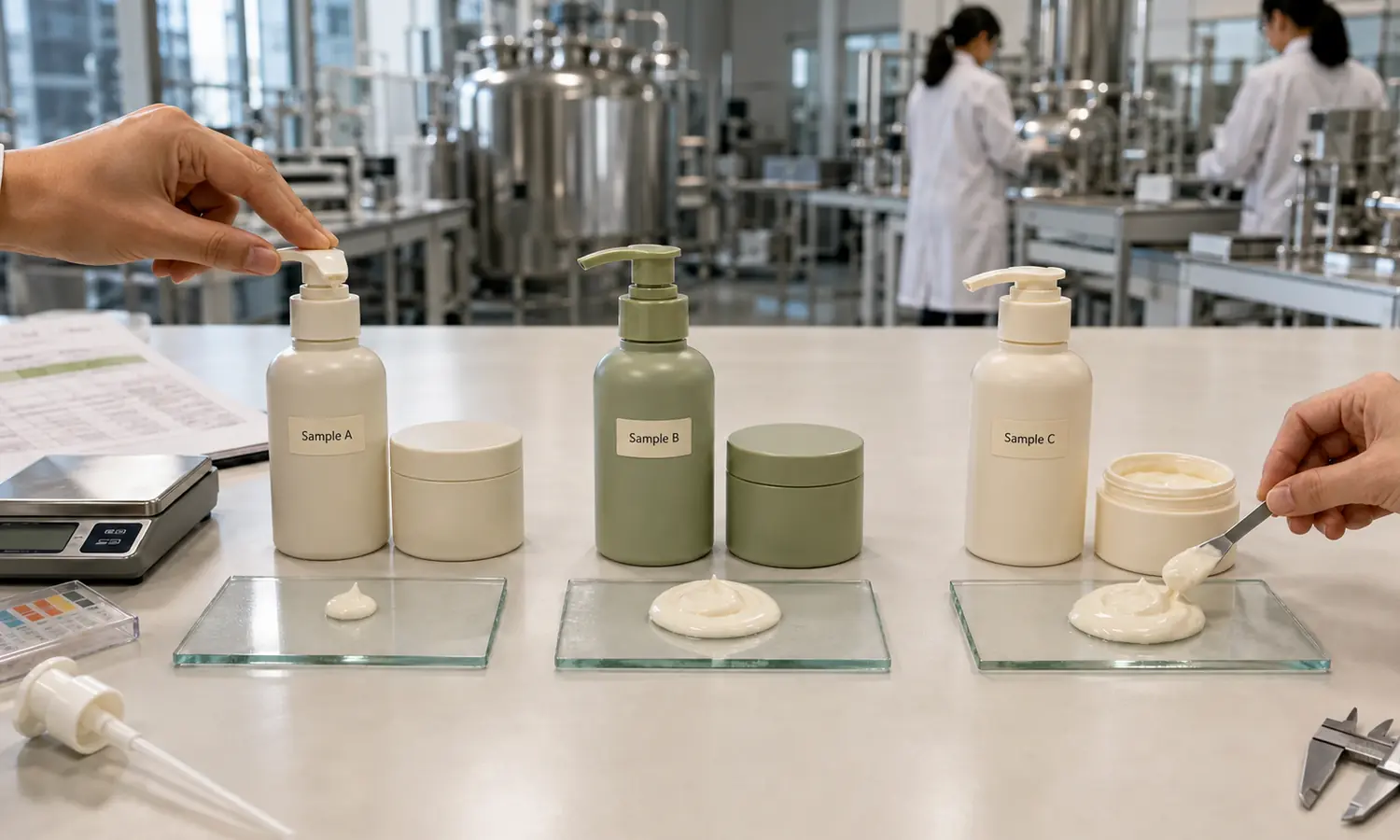
Each sample revision should have a version number and corresponding record. The record should identify the formula version, fragrance, color, pH, viscosity, packaging and buyer feedback. When comments are scattered across messages without a revision record, it becomes difficult to confirm which sample was approved.
Compare samples under similar conditions. Review the appearance, texture, fragrance, spreadability, absorption, foam or rinse feel according to the product category. Check whether the product leaves unwanted residue and whether the intended pump, tube, jar or closure works correctly.
Feedback should be specific. "Reduce the oily after-feel," "increase pumpability," or "make the fragrance lighter after rinsing" is more useful than asking the manufacturer to make a sample "more premium."
Do not approve a private label body care supplier from the first sample alone. A visually attractive sample must still be evaluated for stability, packaging compatibility and scale-up feasibility.
Before bulk production, approve a commercial reference sample that represents the agreed formula, fragrance, color and intended packaging.
5. Confirm Testing and Product Documents
A product that looks and smells acceptable is not automatically ready for production or sale.
Testing requirements depend on the formula, packaging, claims and destination market. A project may involve stability evaluation, packaging compatibility, microbiological testing, preservative efficacy testing and market-specific safety assessment support.
Ask the body care manufacturer what testing is included, who performs it and whether the report identifies the approved formula and packaging. A generic test report from a different formula should not be treated as evidence for the final product.
Technical documentation should be discussed before the purchase order. Depending on the project, the manufacturer may need to provide an INCI ingredient list, product specification, Certificate of Analysis, SDS or MSDS where applicable, microbiological results, stability or compatibility information, fragrance IFRA documentation, allergen information, packaging specifications and batch-coding details.
The required documents should be written into the quotation or project agreement. Do not assume that every certificate or report displayed in a company presentation will be included with every product.
Claims also need evidence. Descriptions such as natural, organic, vegan, hypoallergenic, dermatologist-tested and clinically proven should not be added simply because they improve product presentation. The manufacturer can provide technical inputs, but the brand or responsible business must confirm that the final claims are appropriate for the intended market.
6. Clarify Target-Market Responsibilities
A private label body care manufacturer can provide formula data, specifications and testing information, but this does not automatically transfer all legal responsibility away from the brand, importer or Responsible Person.
For European Union projects, the product may require an EU Responsible Person, Cosmetic Product Safety Report, Product Information File, compliant label and CPNP notification. The manufacturer normally provides formula, specification and testing inputs, while the relevant responsible business manages final market compliance.
Great Britain has a separate Responsible Person and SCPN notification system. Buyers should confirm the technical information and packaging artwork required before launch.
In the United States, applicable MoCRA obligations may include facility registration, product listing, safety substantiation, recordkeeping and adverse event procedures. FDA states that facility registration and product listing are not cosmetic product approvals or promotional certificates.
A supplier claiming that every product is automatically compliant worldwide should be treated cautiously. Compliance depends on the formula, product classification, claims, packaging, label and destination market.
7. Compare MOQ, Price and Total Project Cost
The lowest ex-factory unit price is not always the lowest commercial cost.
Send shortlisted body care manufacturers the same RFQ and ask them to quote the same formula level, packaging specification, quantity, testing scope and Incoterm. Otherwise, one supplier may include a premium pump and compatibility testing while another quotes only a basic bottle and filling.
Confirm whether MOQ applies per formula, fragrance, color, packaging design or SKU. A factory may accept 1,000 finished units while requiring a larger order for printed bottles, tubes or cartons.
The quotation should explain whether formula development, filling, primary packaging, labels, cartons and testing are included. Mold charges, printing plates, sample fees, inspection and freight should be shown separately where applicable.
Ask how unused custom packaging will be managed. If the packaging supplier requires more components than the first production run uses, establish who owns the remaining materials, where they will be stored and how long they can remain in storage.
Compare realistic price breaks and repeat-order costs. A manageable MOQ with stable replenishment may be more valuable than the lowest trial-order price.
8. Audit Packaging and Formula Compatibility
Packaging is part of the product, not a separate decoration decision.
A pump must work with the product's viscosity. A body scrub jar must control oil movement and remain presentable after wet use. A body oil closure needs to provide controlled dosage without gradual leakage. Labels and decoration should tolerate contact with the formula, water and normal handling.
Confirm the container material, capacity, closure, liner, seal, decoration, label area, color tolerance and carton structure. The final formula should be evaluated in the intended commercial packaging whenever possible.
Additional attention may be required for products containing fragrance, essential oils, alcohol, high oil content, acids, salts or suspended particles. These formula characteristics can affect the container, pump, seal, label or printed decoration.
For custom packaging, the commercial agreement should state the packaging MOQ, mold ownership, expected lead time, approval process and responsibility for defective components.
Our private label body care packaging guide provides a more detailed comparison of jars, bottles, tubes, materials, dispensing systems and gift sets.
9. Clarify Formula Ownership and Change Control
Formula ownership should be discussed before the brand invests heavily in development, packaging and launch preparation.
A mature formula normally remains the manufacturer's property. Paying for samples or requesting minor adjustments does not automatically make the formula exclusive. If the brand funds a fully custom development, ownership, licensing, exclusivity and future use should be defined in writing.
Absolute exclusivity may not always be realistic when a formula uses common cosmetic ingredients and standard base systems. The important point is that both parties understand the agreed restrictions.
Change control is equally important. The body care OEM manufacturer should not replace a raw material, fragrance, packaging component, production site or important process without following the agreed notification and approval procedure.
Written product specifications should define the approved formula and packaging. If a material becomes unavailable, the effect of any replacement on performance, documents, labels and testing should be reviewed before approval.
Confidentiality, artwork ownership, mold ownership and permission to display the brand as a customer should also be clarified in the agreement.
10. Review Communication, Reorders and Supply Continuity
Communication during sampling often predicts the supplier's performance during bulk production.
A reliable private label body care manufacturer provides a clear quotation, responsible project contact, traceable sample revisions and realistic milestone schedule. The supplier should explain limitations and alternatives instead of agreeing to every request without technical review.
Before production, confirm the approved formula, commercial reference sample, specifications, packaging, artwork, inspection criteria, batch coding, carton marks and shipping documents.
Repeat orders deserve the same attention as the initial launch. Ask how the approved formula and packaging specifications are stored and whether the same fragrance, raw materials and components will remain available.
The manufacturer should explain expected reorder lead time, peak-season capacity and the procedure for raw-material or packaging discontinuation. It should also have a clear process for complaints, batch investigations and corrective action.
For Amazon, DTC and retail brands, unreliable replenishment may create greater commercial damage than a slightly higher unit price. A strong supplier should provide a controlled path from the first order to repeat production.
Private Label Body Care Manufacturer Evaluation Scorecard
Use this scorecard after reviewing the supplier's relevant samples, documents and quotation. Do not score from the sales presentation alone.
| Evaluation area | Weight | Evidence to review |
|---|---|---|
| Category and formula capability | 20% | Relevant samples, product experience and scale-up process |
| GMP and quality system | 20% | ISO 22716/GMP evidence, QC process and traceability |
| Testing and document support | 15% | Test scope, technical documents and market experience |
| Packaging and filling capability | 15% | Specifications, dispensing trials and compatibility checks |
| Commercial fit | 15% | MOQ, quotation details, lead time and repeat pricing |
| Project communication | 10% | Revision records, milestones and responsible contact |
| Supply continuity | 5% | Capacity, material backup and repeat-order process |
| Total | 100% |
A supplier should still fail qualification if it cannot confirm the production site, provide batch traceability, protect the approved specification or explain serious document inconsistencies. A low price or fast response should not compensate for fundamental quality-system risks.
The scorecard should support commercial judgment rather than replace it. Final approval should also depend on the commercial sample, packaging function and resolution of all critical issues.

Red Flags When Selecting a Body Care Supplier
Be cautious when a supplier refuses to identify its production address, provides certificates under an unrelated company name or cannot explain which products are outsourced.
Inconsistent INCI lists, unexplained formula changes, copied reports and test documents that do not match the sampled product are serious concerns. Extremely short development schedules may also indicate that the manufacturer is offering an existing formula without clearly stating it.
A very low price requires explanation when it differs significantly from other quotations. The difference may come from formula quality, active-ingredient level, packaging, fill weight, testing or excluded services.
Communication problems during sampling should not be ignored. Missing sample records, frequently changing quotations and vague answers about MOQ or lead time often become more serious after the deposit is paid.
A dependable manufacturer should be transparent about what is standard, what can be customized, what requires testing and what remains the buyer's responsibility.
What Should You Verify When Choosing a Body Care Manufacturer in China?
China has an established supply chain for formulas, bottles, jars, tubes, pumps, labels, cartons, decoration, filling and export logistics. This can simplify multi-product body care projects, but sourcing location should not replace supplier qualification.
Confirm whether you are communicating directly with the factory, an export company or a trading partner. Each model may be workable, but manufacturing and quality responsibilities should be clear.
Review the legal company name, production address, certificate scope and export documents. Ask which products are produced in-house and whether any formula, packaging or manufacturing process is supplied by an external partner.
If an on-site visit is not practical, request a live review of the relevant production, filling, packaging and quality areas. For larger orders, a third-party factory audit or pre-shipment inspection may be appropriate.
The most suitable body care manufacturer in China is the supplier that provides relevant category capability, transparent documents, realistic project control and consistent repeat production-not simply the largest catalogue or lowest price.
How Poleview Supports Private Label Body Care Projects
Poleview has manufactured personal care products since 1995. Our 40,000-square-meter facility includes 22 production lines supporting body care, solid care and related personal care categories.
Our manufacturing support connects formula selection, sample adjustment, packaging review, filling, production and quality inspection. Depending on the project, relevant technical information may include INCI details, product specifications, COA, SDS/MSDS, stability information and other product records.
Poleview supports a broad range of private label body care products, including body wash, body lotion, body cream, body butter, body scrub, body oil, deodorizing care and gift sets.
To receive a more accurate initial proposal, share your target market, product category, formula direction, benchmark, preferred packaging, expected order quantity and planned launch date.
Explore Poleview's OEM/ODM personal care manufacturing process or contact our team to discuss a suitable development route for your body care project.
Frequently Asked Questions
Q: 1. What is a reasonable MOQ for private label body care?
A: MOQ depends on the formula, filling process, packaging and decoration. Mature formulas with available packaging generally support lower quantities than fully custom formulas, printed tubes, custom-colored bottles or molded components. Confirm whether MOQ applies per formula, fragrance, color, artwork and SKU.
Q: 2. How long does private label body care development take?
A: A mature private label formula is normally faster than a fully customized development. The schedule may include briefing, sample revisions, packaging sourcing, testing, artwork approval and production. Plan around the required validation and packaging lead time rather than only the date of the first sample.
Q: 3. How can I verify that a body care manufacturer is a real factory?
A: Check the legal company name, production address, certificate scope and business documents. Ask which products are made in-house and request a live factory review, third-party audit or on-site visit when appropriate. The manufacturing address should match the relevant quality documentation.
Q: 4. Should I choose OEM, ODM or a ready private label formula?
A: A ready private label formula is suitable when speed and lower development risk are priorities. OEM works well when the brand has a defined formula or specification. ODM is useful when the manufacturer needs to support formulation and product development. The final service scope should always be confirmed in writing.
Q: 5. Who owns a custom body care formula?
A: Ownership depends on the commercial agreement. Mature formulas normally remain the manufacturer's property. Modified formulas may not automatically become exclusive. If the brand funds a fully custom development, ownership, licensing, exclusivity and future use should be agreed before development proceeds.
Q: 6. What documents should a private label body care manufacturer provide?
A: The document package depends on the product and target market. It may include an INCI list, specification, COA, SDS/MSDS where applicable, microbiological results, stability or compatibility information, IFRA documentation, allergen information and packaging specifications.
Q: 7. How should I compare quotations from body care manufacturers?
A: Send every supplier the same RFQ and compare the same formula type, fill size, packaging, quantity, testing scope and Incoterm. Separate product cost from packaging, decoration, testing, molds, inspection and freight. Do not compare unit prices until the quoted scope is aligned.
Choose a Manufacturing Partner That Can Support Repeat Growth
The private label body care manufacturer you choose will affect more than the first production run. It will influence product consistency, packaging performance, documentation, replenishment and the brand's ability to expand.
A capable body care OEM manufacturer should turn the product concept into an approved formula, written specification and controlled production plan. It should identify technical and commercial risks before bulk manufacturing and provide evidence for its quality, packaging and documentation claims.
Send Poleview your target market, product brief, benchmark, expected quantity, packaging direction and launch schedule to receive a practical body care development proposal.
Editorial note: Regulatory requirements vary according to product classification, formula, claims, packaging and destination market. Brands should obtain appropriate market-specific review before launch.