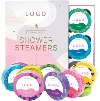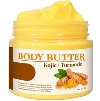


Body care is no longer only a basic lotion category. For many personal care brands, it has become a complete product line that can include body lotion, body cream, body butter, body oil, body scrub, body wash, hand care and seasonal gift sets. For brands that already know which product category they want to develop, Poleview's body wash and care manufacturing page provides an overview of available private label body care products and OEM support.
For private label brands, the opportunity is not just to launch one body care product. The larger opportunity is to build a line with clear texture positioning, skin-feel direction, fragrance identity, packaging style and reliable manufacturing support.
A lightweight body lotion, a rich body cream, a dense body butter and an oil-based body scrub may all belong to body care, but they are not developed in the same way. Each product needs different decisions around formula structure, viscosity, fragrance, packaging, filling method, stability and sales channel.
This guide explains how brands can plan private label body care products from concept to production. It covers product types, formula direction, packaging choices, sampling, OEM body care manufacturing process and supplier selection. It also works as the central guide for brands that want to build a more complete custom body care product line.

Why Body Care Is a Strong Private Label Opportunity
Body care products are used often, purchased repeatedly and easy to expand into product sets. This makes the category attractive for DTC brands, Amazon sellers, importers, spa retailers, gift set companies, distributors and private label personal care brands.
The category also gives brands many ways to differentiate. Some brands focus on daily moisturizing. Others build around dry-feeling skin, sensitive-skin-positioned care, fragrance-led body rituals, spa products, exfoliating care, travel sizes or seasonal collections.
Body care is especially suitable for OEM and private label development because texture, scent, packaging and product format all affect how consumers judge quality. A lotion can feel light and practical. A body butter can feel rich and premium. A scrub can add ritual and gift value. A body oil can support spa, glow or fragrance positioning.
For brands, this means body care should not begin with only one question: "Can you make body lotion?"
A better starting point is:
What kind of body care line does the brand want to build, and which product should lead that line?
That question helps decide whether the project should begin with body lotion, body cream, body butter, body scrub, body oil or a body care set.
What Is Private Label Body Care?
Private label body care refers to body care products developed and manufactured by an OEM or ODM supplier for a brand owner. The brand sells the products under its own name, with customized formula direction, fragrance, texture, packaging, label design and market positioning.
Different brands need different levels of development.
Some brands start with a ready formula. This is useful when the goal is to test the market quickly, expand an existing product line or launch with a shorter development timeline.
Other brands choose semi-custom development. They may use a proven formula base but adjust fragrance, color, viscosity, hero ingredients, product appearance or packaging.
More established brands may need full custom body care development. This can involve a unique texture, a specific ingredient direction, a custom fragrance system, exclusive packaging or a product set built around a clear brand concept.
Brands that need broader contract manufacturing support can also review Poleview's OEM/ODM personal care manufacturing service before confirming a development route.
The right route depends on launch timeline, budget, product positioning, target market and the level of differentiation required.
For private label body care projects, the manufacturer should help the brand connect five decisions:
product type, formula direction, skin-feel target, packaging format and production plan.
When these decisions are aligned, the final product is easier to sample, test, package, manufacture and reorder.
How to Plan a Private Label Body Care Product Line
A strong body care line is not created by adding random products to a catalog. It needs a clear structure.
A daily body care line may include body wash, body lotion and hand cream. A dry-feeling skin line may focus on body cream, body butter and body oil. A spa-style line may combine body scrub, body oil, bath products and gift packaging. A sensitive-skin-positioned line may use fragrance-free or low-fragrance lotion, cream and wash.
Before choosing formulas, brands should define the product line strategy.
A useful planning process starts with several questions. Who is the product for? Where will it be sold? What texture should the customer expect? What price position does the brand want to enter? Should the line feel natural, clinical, spa-like, minimal, premium or fragrance-led? Will the product be sold as a single SKU or as part of a set?
This planning step matters because body care is often purchased by routine and feeling. A body lotion may create daily use. A body butter may become a seasonal hero product. A scrub may add ritual and gift value. A body oil may support spa or fragrance positioning.
The best product line is not always the largest one. Many brands begin with one or two core products, then expand after understanding customer response, repeat purchase behavior and channel feedback.
Main Body Care Product Types for Private Label Brands
Each body care product type has its own formula logic, packaging needs and commercial role. Brands should choose product formats based on target customer, skin-feel expectation, channel and price positioning.
| Product Type | Typical Format | Best Brand Use |
|---|---|---|
| Body Lotion | Lightweight, spreadable, often bottle or pump filled | Daily moisturizing, family care, mass to mid-market lines |
| Body Cream | Richer texture with more cushion | Dry-feeling skin, premium daily care, winter collections |
| Body Butter | Dense, buttery texture | Rich care positioning, dry skin lines, gift sets, premium body care |
| Body Oil | Oil-based, glossy or massage-friendly | Spa care, fragrance-led lines, post-shower care |
| Body Scrub | Exfoliating particles in oil, cream or gel base | Spa, seasonal collections, gift sets, ritual care |
| Body Wash | Cleansing liquid or gel format | Daily body care line extension, fragrance families, sets |
A brand does not need to launch every product at once. A practical approach is to choose one leading product and one supporting product.
For example, a dry-feeling skin line may begin with body butter and body cream. A spa body care line may begin with body scrub and body oil. A daily care line may begin with body lotion and body wash.
For a deeper product-format comparison, brands can continue with a dedicated guide to choosing body lotion, body cream, body butter and body oil for a private label line.

How to Choose Formula Direction by Skin Need and Market Position
Formula development should begin with the user and product positioning, not only with a list of popular ingredients.
A product designed for dry-feeling skin usually needs a richer texture, stronger emollient feel and longer-lasting comfort after application. Depending on the brand direction, this may lead to formulas with butters, oils, esters, humectants or barrier-supporting ingredient stories.
A sensitive-skin-positioned product usually needs a simpler approach. The formula may use low-fragrance, fragrance-free or essential-oil-free directions, depending on the market. The packaging and message should also feel calm, clear and easy to understand.
Daily care products need balance. They should spread easily, absorb at a suitable speed and leave the skin comfortable without feeling too heavy. For this type of product, fragrance, texture and after-feel are often just as important as the ingredient story.
Fragrance-led body care is different. It focuses more on routine, mood and sensory identity. The product may use lotion, body oil, scrub or body wash formats, with packaging designed around fragrance families or seasonal themes.
Spa-style body care often needs a more premium sensory experience. Texture, slip, scent, packaging weight and set presentation all affect perceived value.
| Product Positioning | Formula Direction | Development Focus |
|---|---|---|
| Dry-feeling skin | Richer emollient feel, oils, butters, humectants | Comfort, texture, after-feel and seasonal use |
| Sensitive-skin-positioned care | Simpler formula direction, low-fragrance or fragrance-free options | Mild sensory profile, claim control and ingredient clarity |
| Daily moisturizing | Balanced texture, easy spreading, comfortable finish | Repeat use, absorption and cost-performance balance |
| Fragrance-led body care | Signature scent with matching texture and packaging | Sensory experience, visual identity and product family |
| Spa / premium body care | Richer texture, massage or ritual positioning | Texture, scent, presentation and gift value |
| Natural / vegan-positioned care | Plant-based ingredient story and suitable claim direction | Ingredient selection, documentation and market positioning |
Brands should avoid building a formula only around trendy ingredients. Ingredients can support a product story, but the full formula still needs to deliver a pleasant texture, stable appearance and consistent user experience.
For a deeper discussion, brands can continue with a dedicated guide to developing body moisturizers for dry skin, sensitive skin and daily care.
Body Lotion, Body Cream, Body Butter and Body Oil: How to Position Each Product
Body lotion is often the most flexible entry product. It can be positioned for daily use, lightweight care, family care or fragrance-led body care. Because it is easy to apply and usually works well in pump bottles or squeeze bottles, it is suitable for brands that want a practical everyday product. For brands starting with a daily moisturizing product, Poleview also supports custom private label body lotion development with formula, texture and packaging options.
Body cream usually offers a richer feel. It can support dry-feeling skin positioning, premium daily care or winter care. Creams may be filled into jars, tubes or bottles depending on viscosity and channel.
Body butter is more distinctive. It has a thicker texture and stronger sensory identity. This makes it suitable for brands that want a richer product, a seasonal hero item or a premium gift set. However, body butter needs careful attention to texture stability, graininess risk, melting behavior and jar compatibility. If your brand plans to build a richer dry-skin or gift-set product, review Poleview's private label body butter manufacturing options.
Body oil can support spa, massage, glow or fragrance-led positioning. It may work well as a premium body care item or part of a post-shower routine. Packaging is especially important because oils require good compatibility between the formula and the bottle, cap, pump or dropper.
The question is not which format is best. The better question is which format matches the brand's customer, price point, product story and sales channel.
A strong private label body care line often combines different textures so that each product plays a clear role.
Body Scrub and Exfoliating Body Care Product Development
Body scrub is a valuable extension for private label body care brands because it creates a stronger ritual experience. It also works well in seasonal collections, spa lines, fragrance families and gift sets.
Common scrub concepts include sugar scrub, salt scrub and coffee scrub. Each option creates a different texture story and usage experience. Sugar scrub is often positioned as gentler and more familiar. Salt scrub may feel more spa-like and stronger in exfoliating texture. Coffee scrub has a recognizable natural story and strong visual identity.
However, scrub development is not only about choosing the exfoliating particle. The base system matters just as much.
Oil-based scrubs can feel rich, but they need attention to separation, leakage and jar compatibility. Emulsified scrubs may rinse more cleanly, but they need a different formula structure. Cream or gel-based scrubs may provide a softer experience, depending on the brand's positioning.
Brands should also define particle size, fragrance level, color, viscosity, preservative approach, packaging closure and shipping conditions before approving a body scrub formula.
Body scrub can be paired with body lotion, body butter, body oil, bath products or gift packaging to increase product line value.
For a deeper breakdown, brands can continue with a private label body scrub guide covering sugar scrub, salt scrub, coffee scrub and exfoliating formulas.
Packaging Options for Body Care Products
Packaging is not only a design decision. It must match formula viscosity, filling method, consumer use, storage conditions, label requirements and shipping route.
A lightweight body lotion may work well in a pump bottle or squeeze bottle. A thicker cream may need a jar, tube or pump-compatible format. A body butter usually requires a wide-mouth jar because of its dense texture. A body scrub needs packaging that can handle oils, particles, viscosity and possible leakage. A body oil requires strong compatibility between the formula and the bottle, cap, pump or dropper.
Packaging also affects brand positioning. A simple bottle may support daily care. A glass bottle may support a premium or spa concept. A clean jar can work well for body butter or scrub. A gift box can turn several body care products into a seasonal or retail-ready set.
| Product Type | Common Packaging Options | What to Check |
|---|---|---|
| Body Lotion | Pump bottle, squeeze bottle, tube | Viscosity, pump output, label space and leakage |
| Body Cream | Jar, tube, pump bottle | Filling method, texture, closure and shelf presentation |
| Body Butter | Wide-mouth jar, premium jar, gift set jar | Texture stability, melting behavior and jar compatibility |
| Body Scrub | Sealed jar, wide-mouth jar, selected tube formats | Leakage, separation, particle movement and closure strength |
| Body Oil | Glass bottle, PET bottle, pump, dropper | Oil compatibility, leakage, cap fit and shipping protection |
| Body Care Set | Gift box, paper insert, sleeve, carton | Product separation, presentation and export packing |
Sustainable packaging is also important, but claims should be specific. PCR plastic, recyclable packaging, refill formats, glass, paper boxes and reduced-material structures all have different advantages and limits.
The right packaging should protect the formula, communicate the brand and fit the sales channel.
For deeper packaging planning, brands can continue with a dedicated body care packaging guide for jars, bottles, tubes and gift sets.
Sampling, Testing and Packaging Compatibility Before Bulk Production
Body care samples should not be approved only because the fragrance is pleasant or the first texture looks attractive. Many issues appear after storage, temperature changes, filling trials or packaging compatibility checks.
For lotions, creams and butters, brands should review texture stability, viscosity, color change, fragrance stability, separation, pump compatibility and after-feel. For body oils, brands should check leakage, bottle compatibility, cap fit and appearance over time. For scrubs, brands should review particle distribution, oil separation, jar leakage, scoopability and rinse feel.
Packaging should be tested with the actual formula, not a similar placeholder sample. A pump that works with one lotion may fail with a thicker formula. A jar that looks premium may not be suitable for a scrub with oil migration. A bottle that works in a showroom may leak during international shipping.
For brands focused on rich textures, Poleview's body butter development guide explains additional considerations around formula direction, packaging options, MOQ and sampling.
Brands should also confirm label space, batch coding, carton strength and master carton arrangement before bulk production.
A professional OEM body care manufacturer should guide this process before the brand commits to mass production. Sample approval should include both formula approval and packaging approval.

OEM Body Care Manufacturing Process
A reliable private label body care project usually moves through several stages.
First, the brand defines the product brief. This includes product type, target customer, texture direction, fragrance preference, packaging idea, sales channel, expected order quantity and target market.
Second, the manufacturer recommends a development route. The project may use a ready formula, a semi-custom formula or a full custom formula.
Third, the sampling process begins. The brand reviews texture, fragrance, color, after-feel, packaging compatibility and product positioning. Several adjustment rounds may be needed.
Fourth, the team confirms packaging, artwork and label information. This step should happen before bulk materials and printed packaging are finalized.
Fifth, the manufacturer prepares bulk production. This includes raw material preparation, batching, filling, packaging, quality checks and export packing.
Finally, the approved product standard should be kept for future reorders. Formula version, fragrance code, packaging specification, artwork and quality limits should be recorded.
A good OEM process is not only about making the product once. It is about creating a repeatable system that allows the brand to reorder with consistent quality.
How to Build a Body Care Product Line
A strong body care product line should feel intentional. Products should connect through texture, fragrance, packaging, skin-feel direction or usage routine.
One brand may build a daily care line with body wash, body lotion and hand cream. Another may build a dry-feeling skin line with body cream, body butter and body oil. A spa brand may combine body scrub, body oil, bath salts and gift packaging. A sensitive-skin-positioned brand may focus on fragrance-free or low-fragrance body lotion, cream and wash.
Seasonal development can also work well in body care. Winter collections may focus on richer creams, body butters and warm fragrances. Summer collections may use lightweight lotions, body sprays, body oils and refreshing scents. Holiday collections may combine body scrub, body butter and bath products in gift packaging.
If your team is comparing richer and lighter product directions, this body butter vs lotion guide can help clarify texture, positioning and product-line planning.
The goal is not to create too many SKUs at once. The goal is to create a product line that customers can understand quickly.
For new brands, a focused launch may work better than a wide launch. One hero product, one supporting product and one set option can create a clear starting point. As the brand grows, the line can expand into additional textures, fragrances, seasonal sets or channel-specific formats.
How to Choose a Private Label Body Care Manufacturer
Choosing a private label body care manufacturer should not be based only on unit price. A low quotation may become expensive if the formula is unstable, the package leaks, documentation is incomplete or reorder quality is inconsistent.
Brands should evaluate whether the manufacturer can support formula development, texture adjustment, fragrance matching, packaging selection, sample revisions, quality control and export documentation.
The manufacturer should also understand the differences between product types. Producing body lotion is not the same as producing body butter, body scrub or body oil. Each format has different requirements for viscosity, filling method, packaging compatibility, stability and storage.
A reliable manufacturer should ask about the brand's product concept, target market, sales channel, packaging expectations and launch timeline before recommending a solution.
Important evaluation points include experience with body lotion, cream, butter, scrub, oil and wash products; ready formula and custom formulation capability; sample revision process; packaging sourcing and compatibility review; quality-control records; batch traceability; documentation support; MOQ and lead time clarity; export packing experience; and communication quality.
For a deeper supplier evaluation framework, brands can continue with a dedicated guide on how to choose a private label body care manufacturer.
Build Your Private Label Body Care Line with Poleview
Poleview supports private label and OEM/ODM body care development for brands that want to create custom body care products with practical formula, packaging and manufacturing support.
Our body care development support can include body lotion, body cream, body butter, body scrub, body oil, body wash, hand care and body care gift sets. Depending on the project, we can help with formula direction, sample development, fragrance selection, texture adjustment, packaging options, label support and bulk production planning.
For brands starting with a ready formula, we can help review suitable textures, fragrance directions and packaging formats. For brands that need more differentiation, we can support semi-custom or custom body care development based on product positioning, sales channel and target market.
The best way to begin is to share your product idea, target customer, preferred texture, packaging direction, expected order quantity and launch timeline. From there, the project can move into formula selection, sampling, packaging review and production planning.
Discuss your private label body care project with Poleview. Contact Poleview to discuss your private label body care project, request samples or receive a custom OEM formula and packaging proposal.
Frequently Asked Questions
Q: 1. What body care products can be developed for private label brands?
A: Private label body care products can include body lotion, body cream, body butter, body scrub, body oil, body wash, hand cream, body spray and body care gift sets. The best product choice depends on brand positioning, target customer, sales channel and launch budget.
Q: 2. How do I choose between body lotion, body cream, body butter and body oil?
A: Body lotion is usually lighter and suitable for daily use. Body cream offers a richer feel. Body butter is thicker and often used for dry skin positioning, winter care or gift sets. Body oil can support spa, glow, massage or fragrance-led positioning. The right choice depends on texture expectation, packaging, price point and customer routine.
Q: 3. Can body care formulas be customized for dry or sensitive skin positioning?
A: Yes. Body care formulas can be adjusted for different positioning directions, such as dry-feeling skin, sensitive-skin-positioned care, daily moisturizing, fragrance-led care or spa-style products. Formula direction, fragrance level, ingredient story, texture and testing should be discussed before sampling.
Q: 4. What packaging works best for body care products?
A: Packaging should match the formula. Lotions often use pump or squeeze bottles. Creams may use jars, tubes or bottles. Body butters usually use wide-mouth jars. Scrubs need stronger closure and leakage control. Body oils require bottle and cap compatibility. Gift sets need inserts and export-safe packing.
Q: 5. What should brands test before body care bulk production?
A: Brands should review texture stability, viscosity, fragrance stability, color stability, separation, leakage, pump or jar compatibility, label space, batch coding and carton strength. Packaging should be tested with the actual formula before bulk production.
Q: 6. How do I choose a private label body care manufacturer?
A: Choose a manufacturer that understands formula development, texture adjustment, sample revision, packaging compatibility, quality control, documentation, MOQ planning and export packing. The right partner should help reduce project risk from product concept to stable production.
Editorial Note
Body care formula, packaging, labeling and cosmetic claim requirements vary by destination market. Final product claims, artwork and market-entry requirements should be reviewed by the brand owner, importer, responsible person or qualified local adviser before launch.