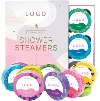

You've probably seen both of these sitting on store shelves or popping up in your social feeds, looking pretty similar at first glance. One's a colorful sphere, the other's a flat puck. Both fizz. Both smell amazing. But they're designed for completely different experiences - and using the wrong one in the wrong place is a fast track to disappointment.
Let me break down what actually separates these two products so you can figure out which one belongs in your routine.
What Are Bath Bombs, Exactly?
A bath bomb is essentially a compressed ball of baking soda, citric acid, essential oils, and usually some combination of colorants, moisturizers, and fun extras. You drop it into a full bathtub, it fizzes dramatically, and your bathwater transforms into something that looks (and smells) like a mini spa.
These fizzy bath products have been around since the early '90s when Lush cosmetics popularized them, but they really exploded into the mainstream over the past decade. Now you can find them everywhere from high-end boutiques to dollar stores.
How Bath Bombs Work in Water
The magic is simple chemistry. When baking soda (a base) meets citric acid in water, you get that satisfying effervescent reaction - carbon dioxide bubbles rushing to the surface. That fizzing action is what disperses everything else packed inside the bomb throughout your bath.
As these bathtub dissolving spheres break apart, they release color dyes that swirl through the water, essential oils that float on the surface, and sometimes bonus ingredients like dried flower petals, biodegradable glitter, or cocoa butter. The whole dissolution process takes anywhere from two to five minutes depending on the size and density of the bomb.
Once everything's dispersed, you're sitting in scented, softened water that works on your skin for however long you choose to soak - usually 15 to 30 minutes for maximum benefit.
Who Are Bath Bombs Best For?
This one's straightforward. Bath bombs are built for people who have bathtubs and actually use them. If you enjoy long soaks as part of your wind-down routine, if you like the ritual of running a bath and making it feel special, these are your product.
They're particularly great for anyone wanting skin-softening benefits alongside aromatherapy. Many formulas include shea butter, coconut oil, or epsom salts that leave your skin feeling genuinely different after a soak. They're also a reliable gift choice - the visual appeal alone makes them feel luxurious.

What Are Shower Steamers - And Why Are They Suddenly Everywhere?
Shower steamers (also called aromatherapy shower tablets or essential oil shower melts) are flat, puck-shaped tablets that sit on your shower floor, out of the direct water stream. They're not meant to dissolve against your skin or turn your water pretty colors. Their entire job is to release concentrated scent into the steam around you.
Think of them as the shower-friendly alternative for people who want that spa experience at home but don't have a tub - or don't have the time or desire to fill one. Their popularity has surged as more people live in apartments with shower-only bathrooms, and as the wellness market expanded beyond traditional bath rituals.
The Science Behind Shower Steamers
Here's where it gets interesting. Shower steamers use the same citric acid and baking soda base as bath bombs, but they're formulated differently. They dissolve much more slowly because they're only catching indirect splashes of water rather than being fully submerged.
Hot shower steam acts as a carrier for the essential oils released during that slow fizz. The steam rises, picks up volatile aromatic compounds, and you breathe them in. It's essentially the same principle as putting eucalyptus branches on your shower head or using a diffuser - except more concentrated and contained within your shower enclosure. The warm, humid environment keeps those scent molecules suspended in the air around you for your entire shower.
Who Actually Needs Shower Steamers?
If you don't have a bathtub, shower steamers are the obvious choice. But plenty of people with tubs prefer them too - taking a bath takes time and intention that busy mornings simply don't allow.
They're popular with people who want targeted aromatherapy benefits: eucalyptus or peppermint tablets in the morning for an energy boost and mental clarity, lavender or chamomile at night to signal your brain that it's time to wind down. Athletes use menthol-heavy steamers after workouts. People dealing with seasonal congestion keep eucalyptus ones stocked all winter.
Basically, if you want scent-driven self-care without committing to a 30-minute soak, these fit your life better.
Shower Steamers Vs. Bath Bombs - A Side-by-Side Breakdown
Sometimes you just need to see things compared directly. Here's how these two products stack up across the categories that actually matter when you're deciding which to buy:
| Category | Bath Bombs | Shower Steamers |
|---|---|---|
| Where you use it | Full bathtub | Shower floor (out of direct stream) |
| How it activates | Full water submersion | Indirect water splashes + steam |
| Primary benefit | Skin softening + scent + visual | Concentrated aromatherapy |
| Duration | Dissolves in 2–5 min; soak for 15–30 min | Lasts an entire shower (5–15 min) |
| Mess factor | Can leave residue, oil rings, color stains | Minimal - dissolves down the drain |
| Skin contact | Yes - soaks into skin | Little to none |
| Typical price | $3–$12 each | $2–$8 each |
Ingredients - What's Actually Inside Each One?
Both products start with the same fizzing base (baking soda + citric acid), but that's where the similarity ends.
Bath bombs pack in skin-loving ingredients: carrier oils like sweet almond or jojoba, shea butter, epsom salts, moisturizing agents, colorants (sometimes synthetic, sometimes natural), and botanicals. All of this makes sense because the product is dissolving into water your body sits in for an extended period.
Shower steamers, on the other hand, go heavy on essential oils since scent delivery is their entire purpose. They typically skip colorants (no one's watching them dissolve on the floor) and they avoid carrier oils and butters that could make a wet shower floor dangerously slippery. Some brands add kaolin clay or menthol crystals for slower dissolution and stronger vapor release.
The Experience Factor - Scent vs. Full Sensory Ritual
A bath bomb delivers a multi-sensory event. You watch it spin and fizz, colors swirling through the water. You feel the silky texture on your skin. You smell the fragrance. It's a whole ritual that engages you visually, physically, and aromatically.
A shower steamer is quieter about its work. There's no color show, no skin transformation. What you get instead is concentrated, steam-carried scent that fills your shower space. It turns an ordinary five-minute shower into something that feels more intentional without requiring any extra time or effort.
Neither experience is better - they just serve different moods and moments.
Cleanup and Practicality
I'll be honest here: bath bombs can be messy. Oil residue clings to tub walls. Bold colors can temporarily stain lighter porcelain or acrylic tubs (especially reds and blues). Flower petals look gorgeous in the bath but clog drains if you're not using a strainer. You'll likely want to rinse down your tub after each use.
Shower steamers dissolve and wash right down the drain with your shower water. No residue, no scrubbing, no drain catchers needed. For people who want a low-maintenance product, this matters more than it might sound.
Can You Use a Bath Bomb in the Shower (Or a Steamer in the Bath)?
This question comes up constantly, so let's address it directly: technically you can try either swap, but the results will be underwhelming.
A bath bomb placed on a shower floor gets hit with too much direct water and dissolves in about 30 seconds. All those expensive ingredients - the oils, the colors, the moisturizers - wash straight down the drain before you can benefit from any of them. It's like flushing money away.
A shower steamer dropped into a full bath dissolves too quickly (it's not built for submersion), and since it's formulated primarily for scent rather than skin benefits, you end up with mildly fragrant bathwater that doesn't do much for your skin. No color, no moisturizing, no visual drama. Just a vaguely pleasant smell that fades fast.
If you only have a shower but really want some bath bomb vibes, here's a workaround: place the bath bomb in a mesh bag or small bowl near your feet where it catches some spray but isn't under the full stream. You'll get more scent release than you would otherwise. But honestly, just buy the right product for your setup and you'll have a much better experience.
How to Choose Between Them - A Quick Decision Guide
This really comes down to your bathroom situation, your schedule, and what kind of self-care moment you're after. Neither product is universally "better." They solve different problems.
Pick a Bath Bomb If…
You have a bathtub and genuinely enjoy soaking in it
You want skin hydration and softening benefits along with aromatherapy
You love the visual spectacle - watching colors explode and swirl
You're buying a gift for someone who appreciates a full relaxation ritual
You have 20+ minutes to dedicate to the experience
Pick a Shower Steamer If…
You don't have a bathtub or rarely use yours
You want targeted aromatherapy benefits without a time commitment
You prefer zero cleanup and minimal mess
You have sensitive skin that reacts to dyes, oils, or fragrances soaking against it
You want something functional for daily use rather than occasional indulgence
Tips for Getting the Most Out of Either Product
For shower steamers: Place them on the edge of your shower floor where they catch occasional splashes but aren't under the main stream. Hotter water produces more steam, which carries more scent. If your steamer is dissolving too fast, move it further from the water. If it's barely fizzing, nudge it closer or splash it manually every couple minutes.
For bath bombs: Fill your tub first, then drop the bomb in. This gives you the full visual show and prevents the bomb from dissolving against dry porcelain. Water temperature between 95–105°F is ideal - hot enough to release fragrance but not so hot it evaporates oils too quickly. Soak for at least 15 minutes to let moisturizing ingredients work on your skin.
Storage for both: Moisture is the enemy. Keep them in a cool, dry place - not in your bathroom where shower steam slowly activates them. Airtight containers or sealed bags preserve both fizzing potency and scent strength. Use them within six months of purchase for the best experience.

Frequently Asked Questions
FAQ
Q: Are Shower Steamers Safe For Sensitive Skin?
A: Generally, yes - and they're often a better choice for reactive skin than bath bombs. Since shower steamers sit on the floor and don't dissolve into water you're soaking in, your skin has minimal direct contact with the ingredients. That said, always check the label. Some contain menthol or strong essential oils that could irritate if a piece gets stuck against your foot. If you know you react to specific botanicals, avoid steamers containing those even though contact is limited.
Q: Do Bath Bombs Expire?
A: They don't become dangerous, but they definitely degrade. Over time, bath bombs lose their fizzing power as the citric acid slowly reacts with ambient moisture. Scent fades too. Most brands suggest using them within 6 to 12 months. You can extend that by storing them individually wrapped in a cool, dry spot away from your bathroom. If a bath bomb barely fizzes when you drop it in, it's past its prime - still safe, just underwhelming.
Q: Can Shower Steamers Help With Congestion?
A: They can provide real relief, though they're not medicine. Eucalyptus and menthol-based essential oil shower melts work on the same principle as steam inhalation - warm, moist air carrying volatile compounds that help open nasal passages and soothe irritated airways. Many people swear by them during cold and allergy seasons. They won't cure anything, but as a supportive comfort measure alongside proper treatment, they're genuinely useful.
Q: Are These Products Eco-Friendly?
A: It depends entirely on the brand, and claims vary widely. Things to look for if environmental impact matters to you: biodegradable glitter (or no glitter at all), plant-derived colorants, sustainably sourced essential oils, minimal or recyclable packaging, and formulas free of synthetic fragrances. Some brands now offer compostable wrapping and carbon-neutral shipping. The base ingredients - baking soda and citric acid - are generally biodegradable and water-safe, so the eco concern is mainly around additives and packaging.
Q: How Many Shower Steamers Or Bath Bombs Should You Use At Once?
A: One is standard for both products. A single bath bomb is formulated to treat a full tub of water, and a single shower steamer is designed to last one shower. Using two bath bombs at once mostly just intensifies color - you won't get double the skin benefits because there's a saturation point. For steamers, two at once can be nice if you want a stronger scent hit (placing one near the drain and one near your feet), but it's usually unnecessary unless you have a very large shower enclosure or prefer an intense aromatherapy experience.