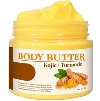


Body butter is one of the most attractive body care products for beauty entrepreneurs and private label brands. It has a rich texture, a clear moisturizing benefit, strong sensory appeal, and enough flexibility to support many different brand positions, from clean beauty and spa care to premium gift sets and dry skin routines.
For brands asking how to make body butter to sell, the real question is not only how to mix shea butter and oils. It is also how to create a stable, safe, well-positioned product that can be produced consistently, packaged professionally, priced profitably, and sold across your target channels.Working with an experiencedprivate label body care manufacturercan help brands move from a small product idea to a scalable body care line with clearer development direction.
This guide explains the complete path from small-batch body butter production to private label body butter manufacturing. You will learn how body butter is formulated, when handmade production makes sense, when to work with a manufacturer, what to ask before choosing a supplier, and how to prepare your product for retail, e-commerce, and international markets.

Why Body Butter Is a Strong Product Opportunity
Body butter appeals to both consumers and brands because it feels more concentrated and indulgent than standard body lotion. The texture is richer, the ingredient story is easier to communicate, and the product can be positioned for dry skin, winter care, spa routines, pregnancy skincare, post-shower care, body care gift sets, or premium self-care collections.
For private label beauty brands, body butter also offers strong product development flexibility. A formula can be made firm and balm-like, soft and creamy, whipped and airy, or lighter and faster-absorbing. If your brand is already planning a body care range, a dedicated private label body butter manufacturercan help you compare texture options, packaging formats, MOQ requirements, and market positioning before production.
The category is also easy for customers to understand. Unlike highly technical skincare products, body butter has a simple promise: rich moisturization and a comforting skin feel. That makes it easier to explain in product pages, social content, retail displays, and customer education materials.
However, body butter is not as simple as it looks. A product that works well in a small kitchen batch may become grainy, greasy, unstable, melted, or inconsistent when produced at scale. That is why brands planning to sell body butter commercially need to understand both formulation and manufacturing.
DIY vS White Label vs Private Label Body Butter
Before launching a body butter line, you need to choose the right production model. Each option has a different level of cost, flexibility, risk, and scalability.
| Production Model | Best For | Main Advantage | Main Limitation |
|---|---|---|---|
| DIY / Handmade | Early testing, local sales, small artisan brands | Low startup cost and full control | Limited consistency, time-consuming, difficult to scale |
| White Label | Fast launch with existing formulas | Quick time to market | Less differentiation and limited formula ownership |
| Private Label / Custom | Brands planning to scale or build a stronger identity | Custom formula, packaging, and brand positioning | Higher MOQ and longer development timeline |
DIY production is useful when you are testing a concept, selling at small events, or learning what customers like. White label works when you need speed and do not require a highly unique formula. Private label body butter manufacturing is better when you want your product to match a specific brand story, texture, fragrance, packaging style, and target price.
For most serious beauty brands, the long-term path is usually private label or custom manufacturing. It provides more control over product identity and makes it easier to build a defensible product line instead of selling the same stock formula as many other brands.
Body Butter Formulation Basics
A good body butter formula depends on the balance between structure, spreadability, skin feel, stability, fragrance, and packaging compatibility. The main ingredients may look simple, but small changes in ratios can strongly affect the final product.
Butters
Shea butter, cocoa butter, mango butter, kokum butter, and other plant butters form the foundation of most body butter formulas. Shea butter gives a rich, creamy, widely recognized moisturizing story. Cocoa butter adds firmness and a naturally warm scent. Mango butter is lighter and can help reduce the heavy or greasy feel of the finished product.
The butter blend determines whether the formula feels firm, creamy, whipped, smooth, waxy, or quick-melting. For brands that want a more differentiated product, custom body butter formulation can be adjusted around butter type, oil phase, fragrance, skin feel, color, packaging compatibility, and target retail price.
Carrier Oils
Carrier oils such as sweet almond oil, jojoba oil, sunflower oil, coconut oil, grapeseed oil, and avocado oil influence spreadability and absorption. A heavier oil can create a richer after-feel, while a lighter oil can make the product easier to apply and more suitable for daily use.
Oil selection should match your brand positioning. A spa product may benefit from a richer sensory experience, while an Amazon or DTC body butter may need a lighter feel that appeals to a wider customer group.
Emollients and Texture Modifiers
Texture modifiers help body butter feel smoother and more elegant. They can improve glide, reduce greasiness, enhance spreadability, or create a more premium skin feel. This is especially important when developing a body butter for online customers, where reviews often mention texture, absorption, and residue.
Antioxidants and Preservative Strategy
Many body butters are anhydrous, meaning they do not contain water. These formulas may not need the same preservative system as water-based products, but they still require careful protection against oxidation and rancidity. Antioxidants such as tocopherol can help protect oils and butters from quality changes over time.
If the product includes water, hydrosols, aloe juice, or other water-based ingredients, a suitable preservative system becomes necessary. The final preservative strategy should be determined based on the formula type, packaging, expected use, and target market.
Actives, Botanicals, and Brand Story Ingredients
Private label brands often add ingredients such as niacinamide, ceramides, oat extract, calendula, vitamin E, essential oils, or botanical extracts to create a more specific product story. These ingredients can support positioning around dry skin care, sensitive-feeling skin, spa care, pregnancy care, natural-inspired beauty, or premium self-care.
A strong body butter formula should not add ingredients only for marketing. Each ingredient should have a clear purpose in the formula or brand story.
Whipped Body Butter vs Traditional Body Butter
Whipped body butter has become popular because it looks soft, airy, and visually appealing. It photographs well, works well on social media, and often feels more modern than a dense traditional butter. If your brand is still comparing body butter with lighter moisturizing formats, our related guide onbody butter vs lotion can help you understand which texture is more suitable for dry skin care, premium body care, spa collections, gift sets, and private label product lines.
Traditional body butter is usually firmer and more concentrated. It can be suitable for dry skin, winter care, spa use, or premium jar packaging. It often gives a richer after-feel and may be easier to stabilize during warm shipping conditions.
Whipped body butter requires more careful manufacturing control. Because air is incorporated into the formula, the product can be more sensitive to heat, filling method, oxidation, and texture collapse. A whipped sample that looks beautiful in the lab may not remain stable during summer transport unless the formula and packaging are designed correctly.
From a manufacturing perspective, the key question is not simply "whipped or not whipped." The better question is: what texture will your target customer love, and can that texture remain stable through production, filling, storage, shipping, and actual consumer use?
How to Make Body Butter to Sell: Two Production Paths
There are two realistic paths for selling body butter: handmade production and manufacturer-supported production.
Path 1: Small-Batch Handmade Production
Handmade production can be a useful starting point for early-stage entrepreneurs. It allows you to test textures, fragrance directions, packaging ideas, and customer feedback before investing in larger production.
A basic handmade setup usually includes a double boiler or wax melter, digital scale, thermometer, mixing equipment, sanitized containers, filling tools, and a clean workspace. You also need batch records so you can track ingredient ratios, temperatures, mixing time, cooling time, fragrance level, and final yield.
The biggest challenge is consistency. Handmade body butter can vary from batch to batch because temperature, mixing speed, cooling rate, and filling method are difficult to control manually. A formula may also become grainy if the butter crystallizes unevenly during cooling.
Handmade production becomes difficult when order volume increases. Once you are producing hundreds of units per month, time, quality control, labeling, storage, and documentation become more complicated. At that stage, many brands begin looking for a body butter manufacturer.
Path 2: Working With a Body Butter Manufacturer
A private label body butter manufacturer helps turn your product idea into a scalable commercial product. Instead of producing every batch manually, you work with an OEM/ODM manufacturing partner that can support formulation, sampling, stability review, packaging matching, filling, labeling, quality control, and export documentation.
The process usually starts with a product brief. You share your target market, desired texture, hero ingredients, fragrance direction, packaging idea, price range, expected order quantity, and destination market. The manufacturer then recommends a formula direction or develops samples for your review.
Sampling often requires several rounds. You may adjust texture, firmness, fragrance, color, absorption, after-feel, packaging, or fill weight before confirming the final specification. Once the formula and packaging are approved, the manufacturer prepares bulk production and quality checks.
This path requires more upfront planning than DIY production, but it gives brands better consistency, stronger documentation, and the ability to scale when sales increase.
When Should You Move From DIY to Private Label Manufacturing?
You do not need to work with a manufacturer on day one. But there are clear signs that it is time to move beyond handmade production.
If your monthly orders are growing and production is taking too much of your time, outsourcing can help you focus on brand building, sales, and customer service. If your body butter texture changes between batches, becomes grainy, melts during shipping, or receives inconsistent customer feedback, a manufacturer can help improve formula control.
You should also consider private label manufacturing if you plan to sell on Amazon, enter retail stores, work with distributors, or export to different markets. These channels often require more professional labeling, batch consistency, product documentation, and packaging reliability.
Another important signal is packaging complexity. If you want custom jars, tubes, retail boxes, gift sets, or sustainable packaging, working with an OEM/ODM partner can reduce sourcing and compatibility problems.
A good manufacturer does not simply fill jars. The right partner helps you make better decisions about formula stability, texture, cost, packaging, documentation, and scale.
Common Body Butter Production Challenges
Body butter is a rich and attractive product, but it has several common development challenges that brands should understand before launching.
One of the most common issues is graininess. Natural butters contain fatty acids that can crystallize if the formula is heated or cooled improperly. The product may feel smooth immediately after production but become grainy after storage or temperature changes.
Another challenge is melting or texture collapse during shipping. Body butter is sensitive to heat, especially whipped body butter. If you sell in warm climates or use fulfillment centers without temperature control, the formula and packaging need to be tested carefully.
Greasy after-feel is also a frequent customer complaint. Rich formulas can feel luxurious, but too much heavy butter or oil may make the product slow to absorb. A private label formula should balance richness with spreadability and comfort.
Fragrance performance can also change in high-fat formulas. Some fragrances may smell softer, stronger, or slightly different once blended into butters and oils. This is why fragrance should be evaluated in the actual formula, not only from a fragrance sample strip.
Packaging compatibility is another major factor. A formula that works in a wide-mouth jar may not work in a squeeze tube. A whipped product may need different headspace and filling control compared with a dense butter. The package should be chosen after considering viscosity, filling method, shipping, and consumer use.
How to Choose the Right Private Label Body Butter Manufacturer
Choosing a manufacturer is one of the most important decisions in your body butter business. A low price is not enough. You need a partner that can support your formula goals, quality expectations, packaging needs, and target market requirements.
A qualified body butter manufacturer should have experience with body care formulations, not only simple filling. They should understand butter crystallization, whipped texture stability, oil phase balance, fragrance compatibility, packaging matching, and batch-to-batch consistency.
Certifications and quality systems also matter. GMP or ISO 22716 cosmetic manufacturing standards can help show that the factory has structured production and hygiene controls. Documentation support is important as well, especially if you plan to sell in the United States, the European Union, or other international markets.
Communication is another major factor. During sampling, pay attention to how clearly the supplier explains formulation options, lead times, packaging risks, MOQ, testing, and cost changes. A manufacturer that communicates well during development is more likely to support you properly during bulk production.
Before placing an order, ask whether the manufacturer can provide samples, batch records, COA, SDS/MSDS, ingredient lists, packaging compatibility review, and stability information where applicable.

Questions to Ask Before Choosing a Manufacturer
Before signing a manufacturing agreement or paying for bulk production, ask practical questions that reveal the supplier's real capabilities.
What is your MOQ for body butter, and does it change for custom formulas or custom packaging? Can you develop a custom formula, or do you only offer stock formulas? How many sampling rounds are included, and what is the typical development timeline?
Ask about stability review, microbial testing if needed, batch documentation, fill weight control, packaging sourcing, and leakage or shipping tests. You should also understand who owns the formula, how confidential information is protected, and what happens if a batch does not meet the agreed specification.
For international brands, ask what documents the manufacturer can support, such as INCI lists, COA, SDS/MSDS, batch information, and export documents. If you plan to sell in the EU or the U.S., clarify what compliance support is available and what responsibilities remain with the brand owner, importer, Responsible Person, or local distributor.
The goal is not to ask as many questions as possible. The goal is to understand whether the supplier can support your product beyond the first sample.
Compliance, Labeling, and Export Documentation
Cosmetic compliance should be considered early, not after the formula is finished. Body butter is usually classified as a cosmetic product when it is intended to moisturize, soften, beautify, or improve the appearance of skin. However, claims can change regulatory expectations. Medical, healing, treatment, or disease-related claims may create additional risk and should be reviewed carefully.
For the U.S. market, cosmetic products generally do not require FDA premarket approval, except for color additives. However, brands and manufacturers still have legal responsibilities for product safety, labeling, facility registration, product listing, adverse event reporting, and other requirements under applicable cosmetic regulations.
For the EU market, cosmetic products require a Responsible Person, a Product Information File, a Cosmetic Product Safety Report, and notification through the Cosmetic Product Notification Portal before being placed on the market. Ingredient lists, claims, allergens, and label information should also be reviewed according to EU cosmetic requirements.
A manufacturer can support important documents such as INCI lists, COA, SDS/MSDS, batch records, stability information, and export documents. However, final market compliance should always be confirmed according to the destination country, brand claims, packaging text, and responsible business structure.
This is especially important for body butter brands that use claims such as organic, natural, hypoallergenic, dermatologist-tested, pregnancy-safe, eczema relief, healing, or therapeutic. Claims should only be used when you have suitable substantiation.
Packaging Options for Custom Body Butter
Packaging is more than a container. It influences perceived value, shipping cost, customer experience, formula stability, and brand positioning. Brands developing body butter, body lotion, body scrub, and related products can also review broader body care packaging and product development options to plan a more complete private label collection.
Glass jars create a premium image and work well for spa lines, boutique retail, and high-end DTC brands. They feel substantial and photograph beautifully, but they are heavier and require more careful shipping protection.
PET jars are lighter, shatter-resistant, and more cost-efficient. They are practical for Amazon, subscription boxes, larger-volume retail programs, and brands that need lower shipping weight.
Aluminum tins can support a sustainability-focused or travel-friendly story. They are distinctive and lightweight, but they may limit label space and may not fit every premium body care identity.
Squeeze tubes can be suitable for softer, creamier body butter textures. They offer more hygienic dispensing and are convenient for travel or gym bags, but the formula must have the right viscosity to dispense smoothly.
For sustainable body care brands, PCR plastic, mono-material packaging, refill systems, and recyclable retail boxes can help strengthen the brand message. Packaging should be chosen together with formula testing, not after the formula is already finalized.
Building a Body Butter Brand Story That Converts
The body butter market is competitive, so a generic "natural moisturizing cream" story is usually not enough. Successful brands are more specific.
Some brands build their story around ingredient origin, such as shea butter from a cooperative or plant oils linked to a particular region. Others focus on a clear skin need, such as dry winter skin, post-shower care, pregnancy skincare, sensitive-feeling skin, or spa-style self-care.
Fragrance can become a strong part of the product story. For example, a warm vanilla body butter, tropical mango butter, spa-style lavender butter, or signature gourmand scent can help the product feel more memorable. Brands that want to build a fragrance-led body care line can explore custom scent body butter as a natural product development direction.
Texture can also become part of the story. Whipped body butter, mousse-like body butter, balm-to-butter textures, fragrance-layered body butter, or seasonal butter collections can help your product feel more memorable.
Your packaging, product name, fragrance, color, claims, photography, and website copy should all support the same position. A strong brand story helps customers understand why your body butter is different before they compare price.
Pricing Strategy and Unit Economics
Pricing body butter is not only about raw material cost. You need to calculate the full landed cost, including formula, packaging, label, filling, testing, freight, storage, platform fees, marketing, and returns.
| Cost Area | What to Include |
|---|---|
| Formula Cost | Butters, oils, actives, fragrance, antioxidants, preservatives if needed |
| Packaging Cost | Jar, lid, liner, label, box, insert, protective packaging |
| Manufacturing Cost | Mixing, filling, labeling, packing, setup, labor |
| Testing and Documentation | Stability review, microbial testing if needed, COA, SDS/MSDS, batch records |
| Logistics Cost | Freight, customs, warehouse receiving, storage, fulfillment |
| Selling Cost | Platform fees, payment fees, ads, samples, returns, customer service |
DTC brands can usually sell at full retail price, but they must account for advertising and customer acquisition. Marketplace sellers need to include platform fees, FBA or fulfillment charges, and promotional costs. Wholesale brands need enough margin to sell to retailers at a lower wholesale price while still staying profitable.
Before launching, test whether your cost structure works across your intended channels. A product that looks profitable on your own website may not work for wholesale if the COGS is too high. If the numbers are tight, you may need to adjust packaging, formula complexity, order quantity, or retail price before scaling.
How Poleview Supports Private Label Body Butter Brands
As a personal care OEM/ODM manufacturer, Poleview supports beauty brands in developing custom body butter products from concept to finished goods. Our role is not only to produce a formula, but to help brands make practical product decisions before bulk production.
For body butter projects, we can support formula development, texture adjustment, fragrance matching, packaging sourcing, private label design support, sample preparation, bulk filling, quality control, and export documentation support.
If you are developing a whipped body butter, we can help review texture stability, filling performance, packaging compatibility, and heat sensitivity. If you are developing a premium body butter, we can help match the formula with glass jars, PET jars, aluminum tins, tubes, retail boxes, or gift set packaging.
Poleview can also support private label brands that need flexible MOQ, customized ingredient stories, fragrance development, packaging design, and scalable production. Whether you are launching a new body care brand or adding body butter to an existing product line, we can help you move from product idea to market-ready SKU.
Take the Next Step Toward Your Body Butter Brand
Learning how to make body butter to sell is the first step. The next step is choosing the right production path for your business stage.
If you are testing a concept, handmade production can help you learn quickly. If you already have customer demand, a clear brand direction, or plans to sell through e-commerce, retail, or wholesale channels, working with a private label body butter manufacturer can help you build a more consistent and scalable product.
A strong manufacturing partner should help you think beyond the formula. They should support texture development, packaging compatibility, batch consistency, documentation, cost control, and long-term product line planning.
If you are ready to develop a custom body butter for your brand, contact Poleview to discuss your formula direction, packaging options, MOQ, sampling plan, and OEM body butter manufacturing project.
FAQ
Q: 1. Do I Need FDA Approval To Sell Body Butter In The U.S.?
A: Cosmetic products generally do not require FDA premarket approval before being sold in the U.S., except for color additives. However, brands are still responsible for product safety, proper labeling, facility registration, product listing, safety substantiation, and other applicable cosmetic requirements. If your body butter uses therapeutic or disease-related claims, the regulatory situation may change and should be reviewed carefully.
Q: 2. What Is The MOQ For Private Label Body Butter?
A: MOQ depends on the formula type, packaging choice, label process, fragrance, customization level, and order requirements. Standard jars and existing formula bases usually allow more flexible MOQ, while custom packaging, custom fragrance, or fully customized formulas may require higher order quantities. The best approach is to share your target product size, packaging style, and sales plan so the manufacturer can recommend a realistic solution.
Q: 3. How Long Does Custom Body Butter Usually Last?
A: Shelf life depends on the formula type, ingredient quality, antioxidant system, preservative strategy if water is present, packaging, and storage conditions. Many well-designed body butter formulas can be developed for a 12–24 month shelf life, but the final timeline should be supported by stability review and product testing.
Q: 4. Can I Sell Whipped Body Butter On Amazon?
A: Yes, whipped body butter can be sold on Amazon if the product meets platform, labeling, safety, and category requirements. However, whipped textures can be sensitive to heat and shipping conditions. Brands selling through Amazon should review formula stability, packaging protection, fulfillment temperature risk, and customer experience before scaling.
Q: 5. What Should I Look For In A Body Butter Manufacturer?
A: Look for a manufacturer with experience in body care formulation, texture development, packaging compatibility, quality control, and export documentation. A good body butter manufacturer should be able to support sampling, formula adjustment, batch consistency, COA, SDS/MSDS, ingredient lists, packaging sourcing, and clear communication throughout the development process.