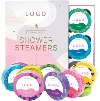

What Is Handmade Soap?
Handmade soap is crafted manually in small batches using natural ingredients like plant-based oils, butters, and essential oils. This artisanal approach allows for greater control over the quality and composition of each bar, often resulting in a more skin-friendly product compared to mass-produced commercial soaps.
The traditional method of making handmade soap involves a chemical reaction called saponification, where oils or fats are combined with an alkaline solution (such as lye) to produce soap and glycerin. Glycerin, a natural byproduct of this process, is known for its moisturizing properties and is often retained in handmade soaps to benefit the skin.
The Benefits of Handmade Soap
1. It made without chemicals and synthetics
Most commercial soaps aren't true soap at all. Often manufactured with synthetic ingredients, they're similar to detergents. These may include parabens, petrochemicals, phthalates, triclosan, and phosphorus, which irritate and dry the skin.
2. It's not harmful to waterways
The natural ingredients in most handmade soaps are biodegradable. Meanwhile, the synthetic ingredients in commercial soaps, such as phosphorus, drain into rivers and lakes and harm fish and other living things.
3. It moisturizes your hands better and longer with glycerin
A type of fat naturally found in plants, glycerin organically hydrates and keeps the skin soothed. Many commercial soap companies remove the glycerin from their products to increase their shelf life.
4. It's palm oil-free or only contains sustainably-harvested palm oil
Many commercial soap companies use palm oil harvested from deforested areas.
5. It's often vegan and not tested on animals
Many handmade soaps contain no animal fats, milk, or honey products, so they are vegan-friendly.
6. It comes from small businesses
Purchasing handmade soap from local businesses means supporting community members.
7. Its packaging is often sustainable
You'll usually see handmade soap packaged without plastics, whereas many commercial soaps are in single-use plastic bottles or heavily printed, glossy boxes.
How to Store Handmade Soap

For Everyday Use:
1. Keep it dry between uses
Use a soap dish with good drainage (e.g. slotted or ridged).
Avoid letting it sit in water or in a humid, enclosed space.
2. Allow air circulation
Let the soap breathe - it helps it dry out properly between uses.
Avoid soap containers that trap moisture.
For Long-Term Storage (Unopened or Backup Bars):
1. Cool, dry place
Store in a drawer, cabinet, or linen closet away from humidity and direct sunlight.
2. Avoid plastic wrapping
Instead, wrap in breathable materials like wax paper, parchment, or tissue paper.
3. Use cardboard boxes
Especially for large quantities - they allow some airflow while protecting from dust and light.
4. Label & Rotate
If you have multiple scents or batches, label them and use older soaps first ("first in, first out").
Bulk Buy Handmade Soap Manufacturer In China
Founded in 2016, Poleview Biotechnology Co., Ltd. is a leading handmade soap manufacturer in China. It has thousands of mature and stable soap formulations. All ingredients are 100% natural, vegetarian, and cruelty-free.
Our handmade soap factory covers an area of 30,000 square meters, has eight automatic production lines, and employs more than 200 people. It produces 100,000 bars of soap daily, with an annual value of over $20 million. Our factory adheres to strict quality standards and has passed GMP 211, GMPC, ISO 22716, FDA, SMETA, and other certifications.
Our team comprises professional R&D, sales, and service personnel who can meet customers' customized requirements and provide you with the best prices and professional one-stop services.