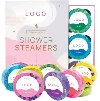

Bath bombs have become a popular indulgent,turning an ordinary bath into a luxurious and therapeutic experience.The process of making a bathtub bomb requires a clever combination of art,chemistry and attention to detail.
If you've ever dropped one of those colorful little spheres into a warm tub and watched it dance around like a tiny firework, you've probably wondered: how on earth do they make these things? Turns out, the process is part kitchen chemistry, part craft project, and honestly, kind of fun once you peek behind the curtain.
Let's take a casual stroll through what goes into a bath bomb, how they're put together, and a few things most people never stop to think about.
What Exactly Is a Bath Bomb?
At its simplest, a bath bomb is a compressed ball of dry ingredients that fizzes up the moment it touches water. But anyone who's used one knows it's more than that - there's the scent, the swirls of color, the soft oils left behind on your skin.
The Basic Idea Behind the Fizz
The fizz happens because two ingredients inside the bomb start reacting with water. As they bubble away, they release fragrance, carry pigments through the bath, and slowly melt down any oils packed inside. It's a tiny show, and that's exactly why people love it.
Some folks use them to unwind after a long Tuesday. Others light a candle, queue up a playlist, and make a whole evening of it. Either way, that initial fizz feels like the bath is welcoming you in.
Why They Became So Popular
Bath bombs really took off when self-care turned into more than just a buzzword. Add in gift-giving holidays, plus a steady stream of satisfying social media videos showing colorful swirls dissolving in slow motion, and you've got a product that practically markets itself. They're affordable, they look gorgeous in a basket, and they make a regular bath feel like a small event.

The Core Ingredients That Make It Work
You don't need a chemistry degree to understand what's inside one of these. Most recipes lean on the same handful of materials.
Citric Acid and Baking Soda: The Fizzy Duo
This pair is the whole reason a bath bomb fizzes. When citric acid and baking soda get wet, they react and release carbon dioxide - the same gas that makes soda pop bubbly. Most makers use about a 1:2 ratio of citric acid to baking soda, though every recipe has its quirks.
Quality matters here. Food-grade citric acid is the standard, and good baking soda keeps the fizz strong and even.
Carrier Oils and Butters
Coconut oil, sweet almond oil, and shea butter are the usual suspects. They soften the skin, give the bomb a smoother texture, and help the dry mixture hold its shape during pressing. Without them, you'd just have a fizzy puff with no moisturizing payoff.
Essential Oils for Bath Bombs
Scent is where things get personal. Lavender is the go-to for winding down before bed. Eucalyptus clears the head when you're feeling stuffy. Citrus blends like sweet orange or grapefruit feel bright and energizing - perfect for a sluggish morning soak.
Most makers stick to a light scent load so the oils don't irritate the skin. A little really does go a long way.
Colorants, Glitter, and Extras
This is the fun part. Skin-safe micas give that swirl of color, while natural pigments like beetroot powder or spirulina add an earthy charm. Some makers tuck dried rose petals or lavender buds on top for looks. Just a heads-up - certain heavy dyes can leave a faint ring on the tub, so good makers test their colors carefully.
Binders That Hold Everything Together
Here's the sneaky bit. You need just enough moisture to make the mixture clump without actually setting off the fizz. Witch hazel sprayed from a fine mister is the favorite trick. Some makers use a touch of oil or even rubbing alcohol, depending on the recipe.
How Bath Bombs Are Made: Step by Step
Now to the part everyone really wants to see - the actual process.
Step 1: Measuring the Dry Ingredients
Everything starts on a scale. Citric acid, baking soda, and sometimes cornstarch or Epsom salt get weighed out carefully. Cornstarch slows the reaction a bit so the fizz lasts longer, and Epsom salt adds that nice muscle-soothing feel.
Step 2: Blending the Wet Ingredients Separately
Oils, fragrance, and color usually get mixed in a separate bowl. Keeping them apart from the dry side gives the maker control. Combine them too early, and the reaction can start before the mixture even hits the mold.
Step 3: Slowly Combining Both Mixtures
This is the tricky moment. Wet goes into dry - slowly - while the maker stirs quickly with their hands or a whisk. If you hear faint crackling, that means moisture is hitting citric acid and you've added too much. A fine spray of witch hazel is usually all it takes.
The texture you're aiming for? Something like damp sand that holds together when you squeeze it.
Step 4: Pressing Into Handmade Bath Bomb Molds
Round metal sphere molds are the classic choice, but silicone molds shaped like hearts, stars, or even tiny cupcakes have exploded in popularity. The mixture gets overfilled on both sides, then pressed firmly together. Packing matters - too loose, and the bomb crumbles. Too tight, and it won't fizz right.
Step 5: Drying and Curing
Once unmolded, the bombs sit out to cure for 24 to 48 hours. Humidity is the enemy here. On a sticky summer day, a whole batch can swell up like little marshmallows and lose their shape. Many makers run a dehumidifier or work in air-conditioned rooms during peak humidity months.
Step 6: Packaging and Storing
Once fully dry, bath bombs get wrapped in shrink film, foil, or boxed up with tissue paper. The goal is simple: keep moisture out. A well-wrapped bomb stays fresh for months. An unwrapped one sitting in a steamy bathroom? It might fizzle out within weeks.
Handmade vs. Factory-Made: What's the Difference?
Not all bath bombs are created equal, and that's actually a good thing.
Small-Batch Artisan Makers
Indie makers tend to experiment more - odd scent blends, unusual shapes, surprise centers filled with bubble bath or flower petals. You might find a little dip on one side or a smudge of color, but that's part of the charm. You're paying for creativity.
Large-Scale Manufacturing
Factories use hydraulic presses and automated lines. The result is a perfectly uniform bomb every single time. The trade-off is that mass-produced versions can feel a bit flat - same scents, same colors, less character. They often dissolve faster too.
Which One Is Better for You?
Honestly, it depends. If you want a reliable gift on a tight budget, factory-made works fine. If you care about unique scents, gentler ingredients, or supporting a small maker, handmade is the way to go.
Common Mistakes People Make at Home
Lots of people try a fizzy bath fizzies recipe at home, watch a YouTube tutorial, and end up with a sticky mess. Here's why.
Adding Too Much Liquid
This is the biggest culprit. The moment you over-spritz, the reaction starts and your bomb expands overnight into something that looks like a sad little muffin.
Skipping the Cure Time
Patience isn't optional. Bombs that don't fully cure crumble the second you touch them. Give them the full day or two before using or wrapping.
Choosing the Wrong Fragrance Load
More scent isn't better. Too much fragrance oil can irritate skin or even leave an oily film on the tub. Stick to recommended usage rates - usually around 1 to 2 percent of total weight.
Are Bath Bombs Safe for Everyone?
Mostly yes, but a few things are worth knowing.
Sensitive Skin Considerations
If you have eczema, rosacea, or just easily irritated skin, scan the ingredient list. Avoid bombs loaded with synthetic fragrance or heavy dyes. Unscented options with simple oils are usually the safest bet.
Kids, Pets, and Pregnancy
For kids, milder scents and natural colors work best. Pregnant women are often told to avoid strong essential oils like clary sage or rosemary, so a quick chat with a doctor never hurts. And keep them away from pets - dogs love to investigate, and the ingredients aren't meant for nibbling.
Final Thoughts
There's something kind of charming about realizing that the little fizzy ball in your bathtub started as a pile of powder on someone's kitchen scale. Whether it came from a small maker in their garage studio or a big factory line, every bath bomb went through that same dance of mixing, pressing, and waiting.
Next time you drop one in the water, give it a moment. Watch the colors swirl. And if you're feeling adventurous this weekend, maybe try making a batch of your own - worst case, you'll learn something about humidity. Best case, you'll have a homemade gift nobody else can copy.
FAQ
Q: How Long Do Bath Bombs Last On The Shelf?
A: Well-wrapped bath bombs usually stay fresh for around six months. Stored in a cool, dry spot away from steam, some last even longer. Once they start losing their fizz, it's time to use them up.
Q: Can You Make Bath Bombs Without Citric Acid?
A: You can, though the fizz won't be quite the same. Cream of tartar is the most common substitute. It produces a gentler, slower reaction - pretty, but not as dramatic as the classic recipe.
Q: Why Did My Bath Bomb Crack Or Expand?
A: Almost always humidity or too much moisture during mixing. If your kitchen feels muggy, the bombs will absorb that moisture and slowly swell. Try working on a dry day or running a dehumidifier nearby.
Q: Are Bath Bombs Bad For The Bathtub?
A: For most tubs, no. A quick rinse after draining handles any oil residue. Some heavily pigmented bombs can leave a faint ring, but a wipe with a soft cloth usually clears it right up.
Q: How Long Does The Fizz Actually Last?
A: Most bath bombs fizz for about two to four minutes. Larger or denser ones can stretch closer to five. After that, the scent and oils continue working even though the bubbling stops.
Q: Can I Use Bath Bombs In A Hot Tub Or Jetted Tub?
A: Better not to. The oils, dyes, and small bits like flower petals can clog jets and damage pumps over time. Stick to a regular soaking tub and save the hot tub for plain water.