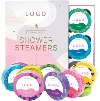

I'll be honest - for a long time, I thought bath bombs were just about making water look pretty. A fizzy show, some color, maybe a nice smell. Then I actually started paying attention to how different scents affected the way I felt after a soak, and it kind of changed my perspective on the whole thing.
Turns out, the fragrance in your bath isn't just decoration. It's doing something real to your brain. And once you understand that, picking a scent becomes less about "what smells nice" and more about "what do I need right now."

Why Scent Matters More Than You Think in Your Bath Routine
Here's the thing most people don't realize: when you inhale a scent, those molecules travel straight to your limbic system - the part of your brain that handles emotions, memory, and stress responses. A warm bath opens up your airways and pores, so you're basically creating the ideal delivery system for whatever fragrance is in that water.
This isn't fringe wellness stuff anymore. The interest in aromatherapy essential oils has moved well beyond yoga studios and into regular households. People are genuinely curious about whether a lavender bath bomb can help them sleep, or if eucalyptus actually clears their head. And the short answer is: yeah, kind of. It's not magic, but it's not nothing either.
Choosing the right natural scented bath fizzies is about matching your current state to what a scent can realistically offer. Think of it as a tool, not a miracle cure.
The Science Behind Smell and Mood (Keep It Simple)
Without getting too textbook about it: scent molecules enter your nose, hit olfactory receptors, and send signals directly to the amygdala and hippocampus. These brain regions control emotional responses and memory formation. That's why a specific smell can instantly transport you back to a childhood kitchen or make you feel calm without knowing why.
One important distinction though - there's a real difference between synthetic fragrance and essential oil-based bath products. Synthetic fragrances can smell great, but they're engineered in a lab and don't carry the same chemical compounds that interact with your nervous system. Essential oils retain the plant's natural compounds, which is where most of the studied benefits come from. Not all bath bombs are created equal in this regard.
Lavender - The Classic Relaxation Powerhouse
Let's start with the obvious one. Lavender is everywhere for a reason. It's probably the most studied relaxing bath soak fragrance out there, and the research consistently points to its ability to lower heart rate and promote parasympathetic nervous system activity. Translation: it helps your body shift out of fight-or-flight mode.
For a stress relief bathing experience, lavender is the reliable friend who always shows up. It won't knock you out or dramatically change your life, but consistent use as part of an evening routine genuinely seems to help people transition into rest mode. I've noticed it myself - my brain just quiets down faster on nights I use it.
Who Benefits Most From Lavender Bath Bombs?
If you're someone who lies in bed with a racing mind, lavender baths about an hour before sleep can help. People with high-stress jobs, parents of young kids who need their wind-down time to actually work, anyone whose nervous system tends to run hot. It's particularly useful if you have trouble with sleep onset - that frustrating gap between being tired and actually falling asleep.
That said, it's not a replacement for addressing the root causes of chronic insomnia. Think of it as one piece of a larger sleep hygiene puzzle.
Eucalyptus - Clearing More Than Just Your Sinuses
Eucalyptus is lavender's energetic counterpart. Where lavender says "slow down," eucalyptus says "wake up and breathe." The menthol-adjacent cooling quality opens up respiratory passages, which is why people instinctively reach for it during cold season. But it does more than just help congestion.
There's a mental clarity component to eucalyptus that makes it ideal for morning soaks or midday resets. It's stimulating without being aggressive. And when blended with lavender - those popular lavender eucalyptus bath products you see everywhere - you get this interesting balance of calm alertness. Relaxed but not sleepy.
Eucalyptus Blends Worth Knowing About
Eucalyptus pairs beautifully with other scents depending on what you're after. Mixed with peppermint, it becomes more intensely cooling and invigorating - great for sore muscles or morning fog. Combined with tea tree, you get stronger antimicrobial properties and a really clean, spa-like atmosphere. Eucalyptus and rosemary together target mental focus specifically, which is interesting if you're the type who has ideas in the bath.
Citrus Scents - Orange, Lemon, Grapefruit and the Energy They Bring
Citrus is sunshine in molecular form. There's no way to smell fresh orange or grapefruit and not feel at least slightly more awake. These scents trigger small releases of serotonin and norepinephrine - your brain's "alert and happy" chemicals.
For people who find floral scents too heavy or cloying, citrus-based natural scented bath fizzies offer a lighter, cleaner alternative. They're refreshing without being overwhelming. Some citrus oils also carry mild antibacterial properties that can be gentle on skin, though the primary benefit is really the mood lift.
I tend to reach for grapefruit-scented options when I need to shake off sluggishness but don't want anything as intense as peppermint. It's energizing in a gentler, more optimistic way.
Citrus for Seasonal Mood Dips
During winter months or extended grey-sky periods, people often report feeling flat or unmotivated. Bright citrus scents won't cure seasonal affective issues, but they can provide a small sensory interruption to that heaviness. Think of it as tricking your brain into a brief moment of "sunny day" feeling. Stacking small interventions like this - light therapy, movement, scent - adds up more than most people expect.

Rose and Floral Scents - Beyond Just Smelling Pretty
Rose, jasmine, ylang-ylang - these tend to get dismissed as "girly" or purely aesthetic. But real floral essential oils (not the artificial perfume-heavy versions) carry compounds that research links to reduced anxiety and even mild antidepressant effects.
Rose oil in particular has shown up in studies around emotional comfort and heart rate variability. Jasmine is interesting because it's technically stimulating despite feeling luxurious - it can improve mood without making you drowsy. Ylang-ylang leans sedative and works well for people who carry tension in their chest and shoulders.
The key distinction here is quality. A bath bomb that smells like a department store perfume counter isn't giving you these benefits. You want products that use actual floral essential oils or high-quality absolutes, not synthetic "rose fragrance."
Peppermint and Menthol - The Cool-Down Effect
Peppermint is the most functional scent on this list, in my opinion. The cooling sensation is physical, not just perceived - menthol activates cold receptors in your skin. This makes it genuinely useful for muscle tension, headache relief, and that overall "reset" feeling after physical exertion.
Athletes and people with physically demanding jobs tend to gravitate toward peppermint bath products for good reason. It's also surprisingly effective for mental alertness, which makes it a poor choice before bed but an excellent choice when you need to be sharp afterward.
When to Avoid Strong Mint Scents
A word of caution: peppermint can be irritating for people with sensitive skin, eczema, or dermatitis. The cooling effect that feels great on healthy skin can feel burning on compromised skin barriers. Also, if you bathe in very hot water, the temperature contrast with menthol can be uncomfortable rather than pleasant. Start mild if you're unsure.
Earthy and Woody Scents - Sandalwood, Cedarwood, Patchouli
This is the category that's been growing quietly and steadily. Earthy, woody aromatherapy essential oils appeal to people who want grounding without the sweetness of florals. Sandalwood promotes a meditative headspace. Cedarwood has mild sedative properties similar to lavender but with a completely different character. Patchouli - love it or hate it - is deeply calming for those who connect with it.
These scents create a stress relief bathing experience that feels less like a spa and more like sitting quietly in a forest. They're also increasingly popular as gender-neutral options, which matters as more men get interested in bath rituals beyond basic hygiene.
How to Choose the Right Scent for Your Needs
Rather than overthinking it, try this simple framework next time you're shopping:
Need sleep or calm? Lavender, chamomile, ylang-ylang, sandalwood
Need energy or focus? Eucalyptus, peppermint, rosemary, citrus
Need mood lift? Grapefruit, orange, jasmine, bergamot
Need muscle relief? Peppermint, eucalyptus, wintergreen blends
Need emotional comfort? Rose, cedarwood, vanilla, patchouli
Your nose knows more than you give it credit for. If a scent repels you, it's probably not what your system needs right now - even if the internet says it should help.
Reading Labels - What to Look For and What to Skip
The word "natural" on bath product packaging means almost nothing legally. What you want to see is specific essential oil names listed in the ingredients - "Lavandula angustifolia oil" rather than just "fragrance" or "parfum." The term "fragrance" is a catch-all that can hide dozens of synthetic chemicals.
Skip products with long lists of unpronounceable dyes, parabens, or phthalates if you're looking for genuine aromatherapy benefits. Higher quality costs more, yes. But you need fewer drops of real essential oil to get effects compared to synthetic imitations that just smell like the thing without being the thing.
FAQ
Q: Can Bath Bomb Scents Actually Reduce Stress Or Is It Placebo?
A: Both, honestly - and that's not a cop-out answer. Studies have measured real physiological changes (cortisol reduction, lowered blood pressure) from certain essential oils like lavender and bergamot. But the ritual itself - warm water, quiet time, pleasant smell - also triggers relaxation through conditioning. The placebo component is still a real stress reduction mechanism. Your body doesn't care why it relaxed, just that it did.
Q: Are Scented Bath Bombs Safe For Sensitive Skin?
A: It depends entirely on the specific product and your skin. Essential oils are potent and can irritate reactive skin, especially cinnamon, clove, and strong mints. Always patch test a new product on your inner arm before a full soak. If you have eczema or chronic sensitivity, look for bath bombs specifically formulated for sensitive skin, or use fragrance-free options and add a single drop of gentle oil like chamomile separately.
Q: How Long Does The Aromatherapy Effect Last After A Bath?
A: Realistically, most people report the mood or relaxation effects lasting 30 minutes to two hours after getting out. Calming scents tend to linger longer in terms of sleepiness cues, while energizing scents wear off faster. Factors like how long you soaked, water temperature, and the oil concentration all play into duration. It's a gentle nudge, not an all-day transformation.
Q: Can I Mix Different Scented Bath Bombs In One Bath?
A: You can, but be intentional about it. Complementary pairs work beautifully - lavender and eucalyptus, citrus and mint, rose and sandalwood. Clashing combinations (like peppermint and ylang-ylang) can create a confused sensory experience that's more overwhelming than relaxing. Stick to scents within the same "family" or with established pairing histories. Two is usually plenty; three starts getting muddy.
Q: What's The Difference Between Essential Oil Bath Bombs And Fragrance Oil Bath Bombs?
A: Essential oils are extracted directly from plants - steam distilled or cold pressed. They contain the actual chemical compounds that produce therapeutic effects. Fragrance oils are synthetic recreations designed to mimic a smell without containing the source plant's active components. Fragrance oil bombs smell nice and cost less, but they don't offer the same potential benefits. Essential oil bath bombs cost more because the raw materials are genuinely expensive to produce. You're paying for the real thing versus a photocopy of it.