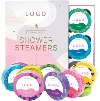

Look, pregnancy turns you into a detective. Suddenly you're googling whether your toothpaste is safe, side-eyeing your moisturizer, and wondering if that fizzy, colorful bath bomb your sister gifted you is going to cause some kind of problem. It's exhausting, and the internet doesn't help - half the results say "totally fine!" and the other half make it sound like you're bathing in toxic waste.
So let's cut through the noise. I spent way too many hours reading clinical guidelines, ingredient databases, and midwife forums to put this together. Here's what actually matters.
Why This Question Comes Up So Often During Pregnancy
Pregnancy rewires your relationship with everything you put on or near your body. And honestly? That instinct is valid. Your skin is more permeable, your immune system is doing different things, and your hormonal landscape has completely shifted. Products you used for years without a second thought suddenly feel like question marks.
Bath bombs sit in a weird spot because they're a beloved prenatal bath relaxation ritual - soaking in a warm tub is one of the few physical comforts that actually helps with back pain, swelling, and insomnia. But then you drop in a bath bomb and you're essentially dissolving a cocktail of ingredients into water that's surrounding your entire body. The concern makes sense.
The problem is that most articles either dismiss the worry entirely or fearmonger without specifics. Neither is useful when you just want a straight answer and a clear set of guidelines for choosing pregnancy safe bath products.

The Short Answer - Yes, But With Some Real Caveats
Most bath bombs are generally safe for occasional use during pregnancy. I want to lead with that because anxiety about every single product isn't good for you either.
However - and this is a meaningful "however" - the ingredient list matters more than it normally would. Pregnancy changes your skin's sensitivity, your vaginal pH, your susceptibility to infections, and potentially how your body processes certain compounds. A bath bomb that's perfectly fine for non-pregnant you might cause irritation, or contain essential oils that practitioners prefer you avoid.
The dose makes the poison, as they say. One bath bomb once in a while? Probably not an issue. But if you're using them regularly, or if you're grabbing heavily fragranced, brightly dyed products without checking what's in them, that's where it gets murkier.
Bath Bomb Ingredients That Deserve a Closer Look
This is where most articles fail you. They say "check the ingredients" without telling you what you're actually checking for. So let's go component by component.
Essential Oils - The Biggest Gray Area
Essential oils are where things get genuinely complicated. Some are flagged by OB-GYNs and midwives for potential effects on uterine activity. Clary sage, rosemary, juniper berry, and cinnamon bark are the most commonly cited concerns. The worry is that certain compounds in these oils could theoretically stimulate contractions, though evidence in humans at bath-product concentrations is limited.
On the other hand, lavender and chamomile in low dilutions are generally considered acceptable by most practitioners. The key phrase there is "low dilutions" - and bath bombs typically contain relatively small amounts of essential oils pregnant bathing enthusiasts need to worry about, since the oil disperses across an entire tub of water.
Still, if you're in your first trimester or have a history of preterm labor, it's reasonable to avoid bath bombs with essential oils entirely. Why add a variable if you don't need to?
Artificial Fragrances and Dyes
Here's something most people don't realize: the word "fragrance" on a label is essentially a black box. Manufacturers aren't required to disclose the individual chemicals that make up a fragrance blend, and there can be dozens. Some synthetic fragrances contain phthalates, which are endocrine disruptors that have raised concerns in reproductive health research.
Dyes are a separate issue. FD&C dyes are generally considered safe for skin contact in the general population, but pregnancy-sensitized skin can react unpredictably. More practically, dyes can also be irritating to vaginal tissue - and you're sitting in this water.
If a bath bomb is neon pink and smells like a candy factory, it's probably loaded with both. That doesn't make it dangerous per se, but it's worth thinking about.
Baking Soda and Citric Acid - The Base Ingredients
Good news here. Sodium bicarbonate and citric acid are what make bath bombs fizz, and they're about as benign as ingredients get. Baking soda is mildly alkaline, citric acid is mildly acidic, and together they create that satisfying dissolve-and-bubble reaction. Neither poses a meaningful risk through skin contact.
If anything, a plain bath bomb that's mostly these two ingredients plus a carrier oil is about as safe as it gets.
Glitter, Mica, and Add-Ins
Plastic glitter is microplastic. It's bad for the environment and it's not doing anything for your body either. More relevant to pregnancy: small particulates floating in bath water can potentially irritate the vulvar and vaginal area. During pregnancy, your vaginal pH is already shifting, making you more susceptible to infections. Adding irritants to that environment isn't ideal.
Mica (a mineral-based shimmer) is generally safer from a bath bomb ingredients pregnancy safety perspective, but any particulate add-in is worth considering. Dried flowers look pretty but can also harbor bacteria once wet. It's a low risk, but it's not zero.
What OB-GYNs and Midwives Actually Say
I've read through ACOG (American College of Obstetricians and Gynecologists) guidelines and multiple midwifery practice recommendations. Here's the consensus: warm baths during pregnancy are not only safe but actively encouraged for pain relief, stress reduction, and sleep improvement.
The main clinical concern isn't what's in the water - it's the water temperature itself. ACOG recommends keeping bath water below 100°F (38°C) to avoid raising your core body temperature, which has been associated with neural tube defects in early pregnancy. That's actually a bigger deal than the bath bomb.
Regarding bath products specifically, most practitioners advise: read labels, avoid known irritants, and don't soak in anything heavily fragranced if you're prone to vaginal infections. It's practical, common-sense guidance rather than a blanket prohibition.
Trimester-by-Trimester Considerations
First Trimester
This is your highest-caution window. Major organ development is happening, and while dermal absorption from a bath bomb is minimal, the first trimester is when most women and their providers prefer to minimize unnecessary exposures. Nausea also tends to make strong scents unbearable anyway.
My suggestion: stick to plain warm baths or add nothing more than a handful of Epsom salts. Save the fancy stuff for later.
Second Trimester
Generally the most comfortable window for bath bomb use. Your body has stabilized somewhat, major organ formation is complete, and you're probably craving some self-care after the rough first trimester. Choose products with simple ingredient lists, avoid the problematic essential oils mentioned above, and enjoy the soak.
Third Trimester
Two words: infection risk. UTIs and yeast infections are already more common in the third trimester due to hormonal changes and the physical pressure of the baby on your bladder. Anything that disrupts vaginal pH - heavy fragrances, dyes, sugary or highly acidic additives - becomes a more practical concern.
This doesn't mean you can't use bath bombs at all. But lean toward unscented or lightly scented, dye-free options. Your body will thank you.

How to Pick a Pregnancy-Safe Bath Bomb
Alright, let's make this actionable. You want to take a nice bath. You don't want to spend forty-five minutes researching every ingredient. Here's the quick framework.
Look for chemical free bath bombs - or at least ones with short, recognizable ingredient lists. A good pregnancy safe bath product should have: baking soda, citric acid, a carrier oil (coconut, sweet almond, or jojoba), and if scented, only pregnancy-approved essential oils in low concentrations.
Label Red Flags to Watch For
"Fragrance" or "Parfum" listed without specifics - this is the catch-all term that could mean anything
Clary sage, rosemary, juniper, wintergreen, or camphor oils - commonly flagged by practitioners
High-concentration peppermint - mild amounts are usually fine, but "peppermint blast" type products may be too much
Plastic glitter - if it doesn't say "biodegradable" or "mica-based," assume it's microplastic
Artificial dyes - especially if you've noticed increased skin sensitivity since becoming pregnant
A Simple DIY Option
If you want to eliminate the guesswork entirely, this takes about ten minutes:
1 cup baking soda
½ cup citric acid
2 tablespoons coconut oil (melted)
3-5 drops of lavender essential oil (optional - skip entirely if you prefer)
Mold into balls, let dry overnight
That's it. No dyes, no mystery fragrances, no glitter ending up in places glitter shouldn't be. And you get the fizzy bath experience without any of the ingredient anxiety. It's the simplest version of a prenatal bath relaxation product you can make.
Frequently Asked Questions
Q: Can Bath Bombs Cause A Yeast Infection During Pregnancy?
A: They can contribute to one, yes. Bath bombs with artificial fragrances, dyes, and sugary additives can disrupt your vaginal pH balance. During pregnancy, you're already more prone to yeast infections because of hormonal changes that alter your vaginal flora. A heavily fragranced bath bomb isn't going to directly "cause" an infection, but it can tip the scales if your system is already borderline. Sticking to unscented or naturally scented options reduces this risk considerably.
Q: How Hot Should Bath Water Be When Using A Bath Bomb While Pregnant?
A: Keep it under 100°F (38°C). This is honestly more important than what's in the bath bomb itself. Raising your core body temperature above 101°F has been associated with increased risk of neural tube defects, particularly in the first trimester. A good rule of thumb: if you're sweating or your skin is turning very red, it's too hot. Warm and comfortable is the target - not hot tub levels of heat.
Q: Can Bath Bomb Ingredients Get Absorbed Into The Bloodstream And Affect The Baby?
A: Dermal absorption is real - your skin does absorb some of what it contacts. However, the concentrations in bath products are typically very low, and they're further diluted across an entire bathtub of water. The amount that would actually reach your bloodstream (and then cross the placental barrier) is minuscule in most cases. This doesn't mean caution is unreasonable - it just means that occasional bath bomb use is unlikely to result in meaningful fetal exposure. The bigger concern is local irritation rather than systemic absorption.
Q: Are There Bath Alternatives For Relaxation During Pregnancy?
A: Absolutely. If you'd rather not think about bath bomb ingredients at all, you have options. Epsom salt soaks are widely recommended by OB-GYNs for muscle aches and are considered very safe. Colloidal oatmeal baths are soothing for itchy pregnancy skin. Plain coconut oil added to warm water moisturizes without any fragrance concerns. And honestly, a warm bath with nothing added at all is still one of the best prenatal relaxation tools available - the water itself does most of the therapeutic work.