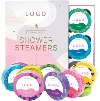

You toss one into the cart, glance at the price, and pause. Twelve bucks? For a ball of fizz that dissolves in three minutes? It feels steep. But before you write it off as another overpriced wellness gimmick, it's worth understanding what's actually inside that little sphere - and what it took to get it onto the shelf.
This isn't a defense of the bath bomb industry. It's just a straight look at where the money goes.
What Counts as "Expensive" When It Comes to Bath Bombs?
Why a $2 Bomb and a $12 Bomb Feel So Different
The difference isn't just marketing. Cheaper bombs tend to use synthetic fragrance, basic dyes, and a thinner formula that fizzes out fast. Pricier ones often include real essential oils, butters, and slower-dissolving binders that leave your skin feeling like you actually did something nice for yourself.
What Most People Assume vs. What's Really Going On
The most common reaction I hear: "It's just baking soda and citric acid, right?" Technically, yes. But that's like saying a cake is just flour and sugar. The base is cheap. Everything else is where it gets interesting - and pricey.

The True Cost of Bath Bomb Ingredients
Here's where bath bomb ingredients cost really starts to add up. Let's go line by line.
Baking Soda and Citric Acid Aren't the Whole Story
Yes, these two make up the bulk of the bomb. They're cheap - pennies per ounce. But they're maybe 60 to 70 percent of the recipe. The remaining 30 to 40 percent is where the real money lives.
Essential Oils Are the Real Budget Killer
This is the part most shoppers don't realize. A pound of pure rose essential oil can run anywhere from $800 to over $2,000. Neroli? Around $1,500 a pound. Sandalwood isn't much friendlier.
Even when makers use small amounts, the cost per bomb climbs quickly. Synthetic fragrance oils are dramatically cheaper, which is why budget bombs lean on them heavily.
Skin-Safe Colorants and Micas
Cosmetic-grade pigments aren't the same as craft store food coloring. They're tested for skin safety, they don't stain your tub, and they cost noticeably more. A small jar of skin-safe mica can run $10 to $30, and a single bomb might use several colors.
Botanicals, Butters, and Extras
Shea butter, cocoa butter, dried rose petals, oat milk powder, kaolin clay - these are the "nice touches" that make a bath feel luxurious. None of them are wildly expensive on their own, but stacked together, they quietly push the cost sheet up by another dollar or two per unit.
The Hidden Labor Behind Handmade Bath Bomb Pricing
Now let's talk about the part shoppers rarely consider: the actual human work.
Why Mass Production Doesn't Really Work Here
Bath bombs are notoriously fussy. They react to humidity. They crack if pressed too hard or too soft. They expand overnight if the moisture balance is off. Big factories can churn out the cheap stuff, but the higher-end bombs still rely heavily on hand-pressing.
The Hours That Go Into a Single Batch
A small-batch maker typically spends a full day on one batch: weighing ingredients, mixing, pressing molds, drying for 24 to 48 hours, then individually wrapping and labeling each one. A batch of 100 bombs can easily eat up six to eight working hours, not counting the dry time.
Small Business Margins Aren't What People Think
After ingredients, packaging, labor, fees, and shipping supplies, an indie maker might pocket $2 or $3 from a $10 bomb. It's not the goldmine people imagine when they hear "handmade luxury product."
Packaging, Branding, and the Luxury Bath Products Market
The bath aisle has gone seriously upscale, and packaging plays a bigger role in artisan bath bomb production than most people give it credit for.
Why That Shrink Wrap and Gift Box Matter
Bath bombs crumble if you look at them wrong. Shrink wrap, tissue paper, kraft boxes - none of it is optional if you want the product to survive shipping. Decent packaging adds 50 cents to $2 per unit.
The Influence of Aesthetic-Driven Brands
Instagram changed everything. Pretty swirls, gold flecks, dried flowers on top - these visuals sell, and they cost money to produce. Gift-giving culture also pushes prices up, since a bath bomb is now a go-to small present rather than just a personal indulgence.
Retail Markup vs. Direct-From-Maker Pricing
A bomb that costs $4 to make might sell for $7 from the maker's website, $10 in a boutique, and $13 in a department store. Each layer of distribution takes its cut. Buying direct usually saves you 20 to 40 percent.
Regulations, Testing, and Compliance Costs
This is the boring part nobody mentions, but it shapes pricing more than you'd think.
Cosmetic Safety Assessments
Under the updated U.S. MoCRA rules and ongoing EU cosmetic regulations, sellers now have to register their facilities, list ingredients formally, and in many cases get safety assessments done. That's a real cost - sometimes hundreds of dollars per product.
Liability Insurance for Skin-Contact Products
Anyone selling above the hobby level needs product liability insurance. For small makers, that's typically $400 to $800 a year. For bigger brands, much more.
Sustainable and Cruelty-Free Sourcing
Ethically sourced shea butter, palm-free formulations, fair-trade essential oils - these all cost more than their conventional counterparts. And shoppers increasingly expect them, which pushes the floor price up across the board.

Are Expensive Bath Bombs Actually Worth It?
Honest answer: sometimes yes, sometimes no.
Signs You're Paying for Quality, Not Just a Brand Name
Check the ingredient list. If you see real essential oils named specifically (not just "fragrance"), nourishing butters, and a short list overall, you're probably paying for substance. If the label reads like a chemistry textbook with vague terms, less so.
When a Cheap Bath Bomb Is Perfectly Fine
Honestly? If you just want a fun fizz for the kids' bath or a quick unwind on a Tuesday night, a $3 drugstore bomb is fine. Save the expensive stuff for when the experience actually matters.
Red Flags That Mean You're Being Overcharged
Watch out for vague ingredient lists, an overwhelming synthetic fragrance smell in the package, flashy boxes that feel heavier than the product, and "luxury" branding without specifics about what makes it luxurious.
How to Save Money Without Giving Up the Experience
You don't have to choose between budget and quality. A few tricks help.
Buying in Bulk or During Seasonal Sales
Post-holiday clearances in January, brand anniversary sales, and Black Friday weekend are your best windows. Many makers also offer build-your-own bundles at 15 to 25 percent off.
Trying DIY at Home
Per-unit cost at home? Probably 80 cents to $1.50, depending on your oils. The catch: getting them to actually hold together is harder than YouTube makes it look. Expect a few failed batches before you nail it.
Supporting Small Makers Directly
Skipping the boutique middleman often means a better, fresher bomb for less. Etsy shops and direct websites usually beat retail pricing - and you can message the maker with questions.
FAQ
Q: Are Handmade Bath Bombs Better Than Mass-Produced Ones?
A: Generally, yes - fresher ingredients, better fizz, and more skin-friendly formulas. But "handmade" isn't a guarantee of quality, so still check the label. Some mass-produced bombs from reputable brands are perfectly good.
Q: How Much Does It Actually Cost To Make A Bath Bomb At Home?
A: If you buy ingredients in reasonable quantities, you're looking at roughly $1 to $1.50 per bomb, including basic essential oils. Fancy add-ins like real rose oil will obviously bump that up.
Q: Do Expensive Bath Bombs Really Last Longer In The Tub?
A: Often, yes. Pricier bombs tend to use slower-dissolving binders and more oil content, so they fizz longer and leave a more noticeable skin feel. A cheap one can vanish in under a minute; a quality one often lasts three to five.
Q: Can Essential Oils In Bath Bombs Irritate Sensitive Skin?
A: They can, especially citrus and cinnamon oils. If your skin is reactive, look for bombs with low essential oil concentrations, added carrier oils, or formulations marked for sensitive skin. Patch test if you're unsure.
Q: Is It Cheaper To Buy Bath Bombs Online Or In Stores?
A: Online is usually cheaper per bomb, especially direct from makers - but shipping can erase the savings if you buy just one or two. Bulk online orders almost always win on price. In-store wins on instant gratification.