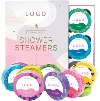

There's something almost childlike about dropping a colorful sphere into warm water and watching it erupt in fizz, color, and fragrance. Bath bombs have gone from niche novelty to bathroom staple in a remarkably short time. But what actually goes into these little orbs? Are they worth the hype? And can you really make one at home without a chemistry degree?
Let's break it all down - no fluff, just the stuff you actually want to know.
What Exactly Is a Bath Bomb?
A bath bomb is a tightly packed ball (or cube, or star, or whatever shape the maker fancies) of dry ingredients that fizzes and dissolves when it hits water. The magic behind that satisfying effervescence? A simple acid-base reaction between citric acid and baking soda. When water activates these two, they release carbon dioxide gas - hence all the bubbling.

Skin and Relaxation Benefits
The oils and butters in a well-made bath bomb genuinely moisturize. You step out of the tub feeling softer than if you'd just soaked in plain water. That's not placebo - those carrier oils form a light barrier on your skin that locks in hydration.
Then there's the aromatherapy angle. Lavender essential oil is widely recognized for its calming properties. Eucalyptus can help when you're congested. Peppermint feels invigorating. Even if you're skeptical about aromatherapy as medicine, it's hard to argue that a good scent in a warm bath doesn't help you unwind.
Epsom salt variants add another layer - magnesium sulfate absorbed through the skin may help ease sore muscles after a workout. The global bath bomb market has continued growing year over year, which reflects just how many people have folded these into their regular wellness routines.
Who Should Be Cautious?
I want to be honest here because not every bath bomb is suitable for every person. If you have sensitive skin, eczema, or you're prone to UTIs, pay close attention to ingredient lists. Synthetic fragrances and artificial dyes are common irritants. Glitter - even the "skin-safe" kind - can cause issues for some people.
A few practical suggestions: patch-test a new bath bomb by dissolving a small piece in water and applying it to your inner arm. Choose fragrance-free or naturally scented options if your skin tends to react. And remember that not all bath bombs are created equal - a $1 bath bomb from a discount bin probably uses cheaper ingredients than one from a reputable maker who lists everything on the label.
How to Use a Bath Bomb (the Right Way)
This might seem obvious, but there are actually a few things people get wrong. Let me walk you through it like I'm your friend who's weirdly passionate about bath time.
Step-by-Step Guide
Fill your tub with warm water first. Not scalding - around 37 to 38°C is the sweet spot. Too hot and you'll sweat instead of relax. Too cool and it won't feel indulgent.
Drop the bath bomb in. Just let it go. Right in the center is satisfying, but it doesn't actually matter where.
Watch the show. Swirl it gently with your hand if you want faster dissolving or more color distribution.
Get in and soak for 15 to 20 minutes. That's the window where your skin absorbs the oils and your muscles actually relax.
Rinse off lightly afterward if the bomb contained heavy dyes or a lot of oil. A quick shower rinse does the trick.
Tips to Get the Most Out of Your Bath Bomb
Don't break it in half unless it's genuinely oversized. Halving a regular bath bomb means you get a weaker experience on both occasions. The formula is designed to work as one unit in a full tub.
Set the mood. Dim the lights, light a candle, put on a podcast or some music. You're not just cleaning yourself - you're taking a break. The longer you want to stay in, the more benefit you get, so make the environment inviting.
For storage: keep unused bath bombs in airtight containers, away from your humid bathroom. Humidity triggers that fizz reaction prematurely. A ziplock bag in your bedroom closet works perfectly.
Can You Use a Bath Bomb in a Shower?
Yes, actually. It's not the same experience, but it works. Place the bath bomb on the shower floor near the drain where water hits it. As it dissolves, it releases scent and creates a mild steamroom-aromatherapy effect. You won't get the skin-soaking benefits, but the fragrance fills the space nicely.
Another option: crumble a piece into a mesh bag or old stocking and hang it from your showerhead. The water runs through it and carries the scent down over you. It's a decent workaround if you don't have a bathtub.

How to Make Bath Bombs at Home - A Simple DIY Recipe
Here's where things get fun. Making DIY bath products at home is genuinely accessible. You don't need special equipment, the ingredients are inexpensive, and once you nail the technique, you can customize endlessly.
Ingredients You'll Need
This recipe yields approximately 4 to 6 medium-sized bath bombs:
1 cup baking soda
½ cup citric acid
½ cup cornstarch
½ cup Epsom salt
2–3 tablespoons carrier oil (coconut or sweet almond work great)
15–20 drops essential oils (pick your favorites)
Colorant of choice - mica powder or a few drops of food-grade dye
Witch hazel in a spray bottle (this acts as your binder)
Citric acid is the one ingredient people sometimes struggle to find. Check the canning section of grocery stores, health food shops, or just order it online. It's inexpensive and lasts a long time.
Equipment
Mixing bowls (glass or stainless steel preferred)
Whisk or gloved hands
Bath bomb molds - or use muffin tins, silicone molds, or those plastic ornament halves from craft stores
Spray bottle for witch hazel
Measuring cups and spoons
Step-by-Step Instructions
Combine all dry ingredients in a large bowl. Whisk thoroughly until there are no clumps. Break up any baking soda lumps with your fingers.
Mix wet ingredients separately. In a small bowl, combine your carrier oil, essential oils, and colorant.
Slowly add wet to dry, mixing constantly with your hands or a whisk. Go slow - dump it all at once and you risk triggering fizzing.
Check the consistency. It should feel like damp sand that holds together when you squeeze it in your fist. If it crumbles apart, spritz one spray of witch hazel at a time, mixing between each spray. Be conservative - too much moisture is the number one mistake.
Pack tightly into molds. Really press it in there. You want zero air gaps. Overfill slightly and press both halves together firmly.
Let them dry 24 to 48 hours in a cool, dry spot. Don't touch them for at least 12 hours.
Unmold gently. Tap the mold lightly and ease the bath bomb out.
Troubleshooting: If your bath bombs crack after drying, you're not packing tightly enough. If they expand and puff up in the mold like a muffin top, the mixture was too wet. It takes a batch or two to get the feel for it, and that's completely normal.
Customization Ideas
This is where DIY bath products really shine over store-bought. You're in control. Some ideas to try:
Oatmeal - blend it fine and add a couple tablespoons for sensitive or itchy skin
Dried lavender buds - pressed into the top of the mold for a beautiful visual effect
Cocoa butter (melted, added to wet ingredients) - turns your bath into an ultra-moisturizing soak
Menthol crystals - a tiny pinch creates a cooling, sinus-clearing sensation
Dried rose petals or chamomile - for a botanical spa feel
Experiment freely. That creative freedom is honestly the best part of making your own.
Common Mistakes to Avoid
After making (and ruining) plenty of batches, here are the pitfalls to watch for:
Adding too much liquid at once. This triggers premature fizzing and ruins the batch. Always spritz gradually.
Not packing molds tightly enough. A loose pack equals a crumbly bomb. Press hard.
Storing in humid bathrooms. Your beautiful bath bombs will slowly activate and turn into sad, crumbly lumps.
Using fresh citrus juice instead of citric acid. It seems logical but doesn't work - too much liquid, too little acid concentration.
Skipping the cornstarch. Without it, your bath bomb fizzes out in seconds and you lose that satisfying slow dissolve. It also adds a lovely silky texture to the water.
Frequently Asked Questions
Q: Do Bath Bombs Expire?
A: They won't make you sick, but they do lose potency. Over time, the citric acid and baking soda slowly react with ambient moisture, which means less fizz. Fragrance fades too. Aim to use them within six months for the best experience. Store them wrapped in shrink wrap or sealed in airtight containers to extend their life.
Q: Are Bath Bombs Safe For Kids?
A: Generally, yes. But choose ones without strong synthetic fragrances, heavy dyes, or glitter that could irritate young skin or eyes. Plenty of makers sell kid-friendly versions with gentle ingredients. And of course, always supervise young children during bath time regardless of what's in the water.
Q: Will A Bath Bomb Stain My Tub?
A: It's possible with deeply pigmented ones - especially reds, purples, and blacks. The staining is usually temporary and comes off with a quick scrub right after you drain the water. If you have a white tub and worry about this, stick to lighter colors or test on a small spot first.
Q: Can I Use A Bath Bomb With A Jacuzzi Or Jet Tub?
A: I'd recommend against it. The oils, colorants, and any solid particles can gunk up your jets and damage internal plumbing over time. Jet tubs are expensive to repair. Stick to standard soaking tubs for bath bombs and save your Jacuzzi for plain water or products specifically designed for jetted systems.
Q: How Many Bath Bombs Can I Use At Once?
A: One is usually plenty for a standard bathtub. You can use two if they're small or if you want more intense color and fragrance, but more than that tends to be overkill. The oils and scent can become overwhelming, and your skin doesn't absorb more moisture just because there's more product in the water.
Q: Are Homemade Bath Bombs As Good As Store-Bought?
A: Performance-wise, absolutely. When you make your own, you control exactly what goes in - no fillers, no mystery ingredients, no synthetic preservatives you can't pronounce. The trade-off is purely cosmetic. Store-bought bombs often have flawless shapes, intricate color swirls, and professional packaging. But in terms of how they work in the water and how your skin feels afterward? A well-made homemade bath bomb holds its own against anything on a shop shelf.