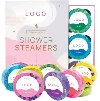

If you've seen those colorful little pucks popping up in your social media feed or on store shelves and wondered what the fuss is about, you're not alone. Shower steamers have quietly become one of those self-care products that people either swear by or have never heard of - there's not much in between.
Let me break it all down for you, no fluff, no marketing talk. Just what they are, how they work, and whether they're actually worth your money.

The Basics - What Exactly Is a Shower Steamer?
A shower steamer is a compact, solid tablet - usually about the size of a hockey puck - that you place on your shower floor. When water splashes on it, it fizzes and releases essential oils into the steam around you. That's it. No soaking required, no bathtub needed.
You'll see them called different things depending on the brand. Some call them aromatherapy shower tablets. Others go with shower fizzy tablets or essential oil shower bombs. They're all basically the same concept with minor differences in shape or formulation.
The confusion I see most often? People thinking they're just bath bombs for the shower. They're not, and that distinction matters - which I'll get into below.
How Shower Steamers Work (The Simple Science)
The fizzing action comes from a straightforward chemical reaction. Baking soda and citric acid are the two main dry ingredients. When water hits them, they react and produce carbon dioxide gas - those bubbles you see. As the tablet fizzes apart, it releases essential oils into the humid air around you.
Here's the key part: steam carries those aromatic compounds so you can breathe them in. Your hot shower is basically creating a personal aromatherapy chamber. The hotter and steamier your shower, the more effective the experience.
Placement is everything. You don't submerge it. You don't hold it under the stream. It sits on the edge of your shower floor where it gets occasional splashes. Some brands sell shower vapor discs - flatter, wider versions designed to dissolve more slowly with minimal water contact.
Shower Steamers vs. Bath Bombs - Not the Same Thing
Bath bombs are designed to dissolve in a full tub of water. They often contain skin-softening ingredients like oils, butters, and sometimes glitter or color dyes. The whole point is soaking in them.
Shower steamers are meant for inhalation, not skin contact. They're formulated to release scent into steam, not to moisturize your skin through bathwater. The essential oil concentrations are often higher because you're breathing them in rather than absorbing through skin.
Why not just use a bath bomb on your shower floor? A few reasons. Bath bombs dissolve too quickly without enough water pooled around them. The oils and butters make your shower floor dangerously slippery. And the dyes? They can stain grout. Save yourself the headache and keep them separate.
Why People Actually Use Them (Beyond the Hype)
I'll be honest - when I first heard about these, I thought it was just another trendy wellness product with more aesthetic than substance. But after looking into it (and trying a few), I get why people keep buying them.
Aromatherapy Without the Candles or Diffuser
Most of us shower every day anyway. That's time you're already spending. Essential oil shower tablets piggyback on that existing routine - no extra setup, no diffuser to clean, no candle to babysit.
You drop one on the floor, take your normal shower, and get 10-15 minutes of aromatherapy without thinking about it. Common oils you'll find include eucalyptus, lavender, peppermint, and various citrus blends. Each serves a different purpose, which I'll touch on in a moment.
Congestion Relief and Breathing Support
This is probably the single most popular use case. Menthol shower melts and eucalyptus-based steamers during cold season are genuinely helpful for opening up congested airways. The combination of hot steam plus menthol or eucalyptus creates that "I can breathe again" sensation.
I want to be clear: these aren't medicine. They won't cure your cold or treat a sinus infection. But as a comfort measure? There's a reason people have been doing the "bowl of hot water with eucalyptus oil and a towel over your head" thing for generations. Shower steamers just make that more convenient.
Mood and Energy - Morning vs. Night Formulas
There's solid research showing that scent influences mood and alertness. Citrus and peppermint scents tend to be stimulating - they're a good fit for morning showers when you need to wake up. Lavender and chamomile lean calming, making them better suited for evening wind-down showers.
This isn't woo-woo stuff. Your olfactory system connects directly to brain regions involved in emotion and memory. A strong scent absolutely shifts how you feel. Whether that shift is dramatic enough to justify the cost is a personal call.
What's Inside a Shower Steamer? Ingredients Broken Down
If you're the type who reads product labels (and honestly, more of us should be), here's what you're looking at.
Core Ingredients You'll Find in Most Formulas
The foundation is always baking soda and citric acid - they create the fizzing reaction. Essential oils provide the scent. Beyond that, most formulas include some kind of binder to keep the tablet from crumbling apart in storage. Kaolin clay and cornstarch are the most common choices.
Quality shower fizzy melts rely on pure essential oils rather than synthetic fragrance compounds. Some also add menthol crystals separately for extra potency in congestion-relief varieties. A good product should have a short, recognizable ingredient list.
Ingredients to Watch Out For
Synthetic fragrance oils are the main thing I'd flag. "Fragrance" on a label can mean dozens of undisclosed chemicals. If you're sensitive to artificial scents or you want actual aromatherapy benefits, look for products that specify pure essential oils.
Dyes are another consideration. Vibrant colors look great in photos but can stain light-colored grout or shower tiles over time. Some brands use mica (a mineral colorant) which is generally less problematic than FD&C dyes.
Also watch for added oils or butters. Small amounts are fine, but heavy oil content without proper binders creates a slippery shower floor. That's a safety issue, especially in households with older adults or kids.
How to Use Shower Steamers the Right Way
This sounds silly - it's a tablet, how hard can it be? But a surprising number of people waste their first few steamers by using them wrong.
Placement and Water Flow Tips
Place it on the floor of your shower, off to the side where it gets indirect splashes but isn't sitting directly under the main stream. If the water hits it full force, it'll dissolve in two minutes and you'll barely smell anything.
Some people place theirs on a small soap dish or ledge near their feet. Others use a mesh bag to let it hang from the showerhead where steam passes over it. Experiment and see what works for your shower layout.
Water temperature matters too. Hotter water creates more steam, which carries the scent better. If you're someone who takes lukewarm showers, you'll get a less intense experience.
Getting the Most Out of Each Steamer
Totally fine to break a steamer in half if you're taking a quick shower. Many people do this and get two uses from one tablet. Close your bathroom door and maybe even turn on the exhaust fan after you're done rather than during - trapping that steam makes a noticeable difference.
Let your shower run for a minute before stepping in so the space gets warm and steamy first. And for storage: keep unused steamers somewhere dry and airtight. Humidity in your bathroom will trigger the fizzing reaction prematurely and you'll end up with a useless crumbled mess.

Choosing the Right Shower Steamers for You
The market for aromatherapy shower steamers has grown a lot in recent years. Here's how to narrow it down.
By Scent Profile and Purpose
Eucalyptus or menthol: Congestion, sinus pressure, seasonal allergies
Lavender: Relaxation, sleep preparation, stress relief
Citrus blends (orange, lemon, grapefruit): Energy, mood boost, morning alertness
Peppermint: Mental clarity, headache tension, invigoration
Rosemary: Focus and concentration
Start with one that matches your most immediate need rather than buying a variety pack. You'll figure out your preferences faster that way.
By Ingredient Quality and Sensitivity
Even though shower steamers mainly work through inhalation and minimal skin contact, ingredient quality still matters. People with respiratory sensitivities should be especially careful about synthetic fragrances.
Look for brands that specify the exact essential oils used (not just "proprietary blend"). If certifications matter to you, vegan, cruelty-free, and organic labels are increasingly common in this space. And check essential oil concentration - too little and you won't smell anything over your shampoo.
Single-Use vs. Multi-Use Formats
Most standard shower steamers are single-use. You place them, they fizz away over one shower, done. But some shower vapor discs are denser, designed to last across two or three showers. You let them dry between uses and the fizzing picks up again next time.
Single-use versions tend to give a stronger burst of scent. Multi-use ones are more economical but the intensity fades with each session. If you're calculating cost-per-use, multi-use formats usually win, but it depends on whether a milder scent on day three still satisfies you.
Final Thought - Are Shower Steamers Worth It?
For a few dollars per tablet, you get a genuinely pleasant sensory experience folded into something you're already doing every day. They won't change your life, and anyone claiming otherwise is overselling. But as a small, affordable upgrade to a daily routine - especially during cold season or stressful stretches - I think most people would find them worth trying at least once. The worst case scenario is your shower smells really good for fifteen minutes. There are worse ways to spend a few bucks.
Frequently Asked Questions
Q: Are Shower Steamers Safe For Kids And Pets?
A: Generally yes, with caveats. The steamers themselves shouldn't be ingested, so keep them out of reach of young children and curious pets. Some essential oils (like eucalyptus and peppermint) can be too intense for very small children or birds. If you have pets in the bathroom while you shower, stick to milder scents like lavender and ensure good ventilation.
Q: Do Shower Steamers Make The Shower Floor Slippery?
A: Quality ones shouldn't. Well-formulated steamers use binders that prevent oily residue. However, cheap ones with added carrier oils or butters can leave a slick film. If you notice any slipperiness, rinse the floor thoroughly after your shower and consider switching brands.
Q: How Many Times Can You Use One Shower Steamer?
A: Standard tablets are designed for one use. Larger or denser formats might last two or three showers if you remove them from the water between uses and let them dry. You can also intentionally break a regular steamer in half to stretch it across two shorter showers.
Q: Will Shower Steamers Clog My Drain?
A: No. The ingredients (baking soda and citric acid) dissolve completely in water. In fact, baking soda is often used as a drain-cleaning agent. There's nothing in a properly made steamer that should cause plumbing concerns.
Q: Are Shower Steamers The Same As Aromatherapy Shower Tablets?
A: Yes - it's just different branding language for the same product category. Shower steamers, aromatherapy shower tablets, essential oil shower bombs, shower fizzy melts - all referring to the same basic concept. Some variation exists in shape and formula, but the principle is identical.
Q: Can Shower Steamers Help With Anxiety Or Stress?
A: They can be a helpful tool as part of a broader routine, but they're not a treatment for anxiety disorders. Lavender and chamomile scents have shown calming effects in some studies, and the ritual of a warm, scented shower itself can be grounding. Think of them as one small piece of a self-care practice, not a standalone solution.