
Why More Brands Are Turning to Cold Process Soap – And Why China Is a Strategic Choice
Cold process soap has made a remarkable comeback in the worldwide beauty and wellness sector in the last few years. Cold-processed soaps, made using traditional processes without excessive heat, are becoming more popular in high-end stores, eco-friendly boutiques, and direct-to-consumer beauty firms as people become more aware of what goes into their products, how they affect the environment, and how sensitive their skin is.
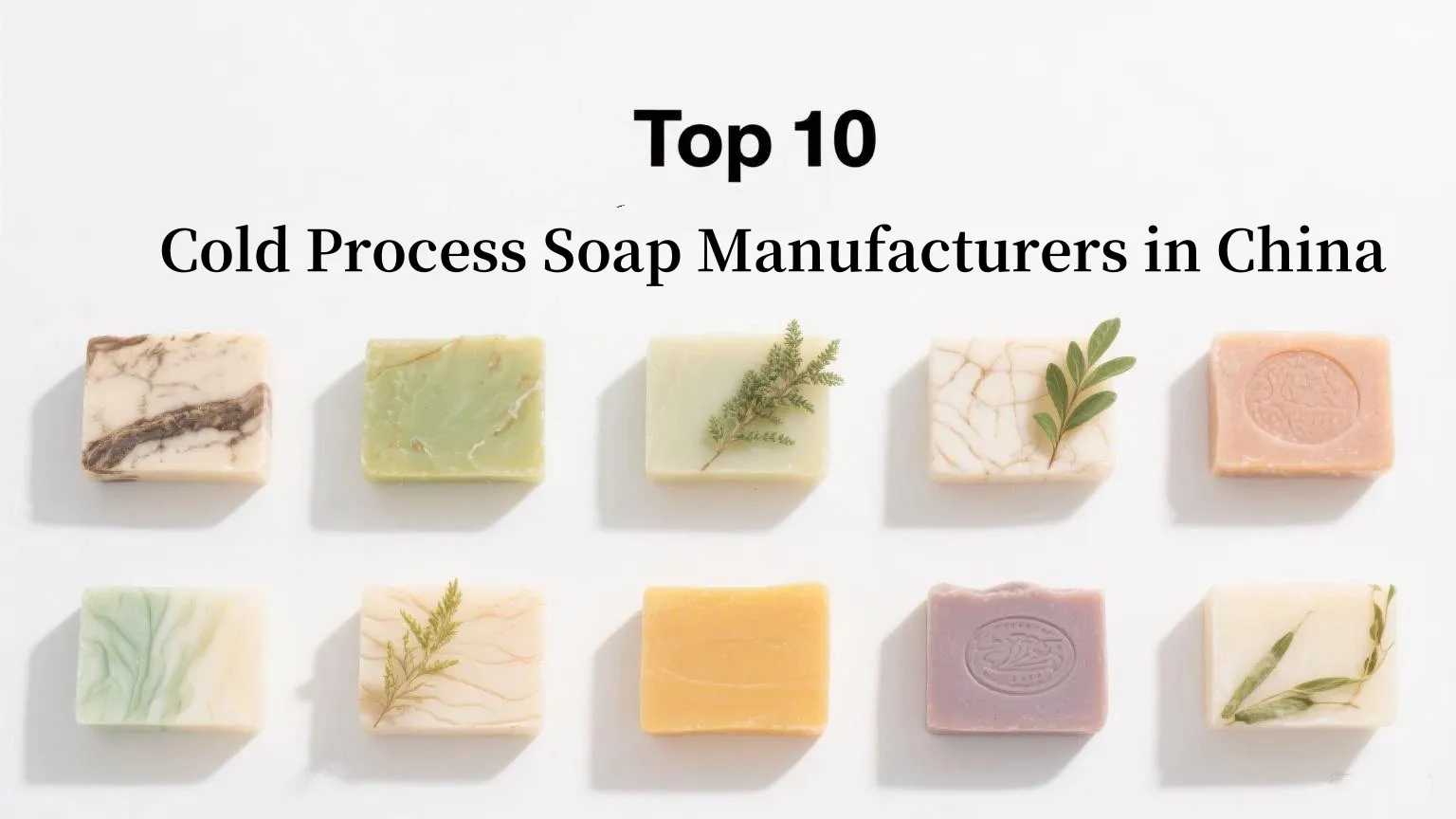
Cold process soap keeps the natural glycerin in oils, which makes it gentler and more nutritious for the skin than mass-produced soap bars created with hot processes or syndet techniques. People also like it because it doesn't include any harsh detergents, synthetic lathering agents, or preservatives.
As demand rises, so does the need for reliable manufacturing partners. This is especially true in areas with significant industrial capacity and low-cost solutions. This is where China comes in as a strategic sourcing center.
China is home to more and more professional cold process soap facilities that use both traditional soap-making skills and modern research and development, compliance, and private label flexibility. These factories are located in Guangdong and Zhejiang.
We put together a list of the Top 10 Cold Process Soap Manufacturers in China for this post. We focused on companies who offer great OEM/ODM services to brands all over the world. This list is a great place to start whether you're establishing a vegan soap line or growing a skincare brand that doesn't waste anything.
Is Cold Process Soap the Right Fit for Your Brand?
Knowing the Product Before You Source
Before you start looking for cold process soap, it's important to know what makes it special and why it's becoming a popular choice for businesses that care about their skin.
What Is Cold Process Soap?
To make cold process soap, you mix oils (such olive, coconut, or shea butter) with an alkali (usually sodium hydroxide) without using any outside heat. This procedure, which is mild and uses moderate heat, keeps the oils' inherent characteristics and lets the soap age gently over the course of 4 to 6 weeks.
What happened? A soap bar that is gentle on delicate skin, has a lot of natural glycerin, and may be changed with plant extracts, essential oils, clays, milks, and exfoliants.
Why Brands Love It
- The clean label appeal means there are no synthetic hardeners, SLS, or chemical detergents.
- Moisturizing characteristics because it keeps glycerin
- Natural storytelling is great for stories on eco-friendly, artisanal, or organic skin care.
- You can change the form, smell, color, and function to fit your needs.
- No plastic-fits in with the trends of zero waste and minimum packaging.
Is it right for your market?
If you're trying to make soap with a cold process, it's the best way to go.
- People who buy natural or organic beauty products
- Communities that live in an eco-friendly way and don't waste anything
- High-end spa and wellness areas
- Gift and lifestyle stores that emphasized on looks and handmade value
But it might not be the best choice for markets who want very cheap, mass-produced soap bars. That said, China's well-developed soap OEM ecosystem, especially in places like Guangzhou and Hangzhou, makes it possible to make both high-end personalized products and large quantities of them. This fills the gap between artisan and commercial.
5 Key Factors to Consider When Choosing a Cold Process Soap Manufacturer
Before you sign an OEM deal, think carefully about what you want to do.
It's not enough to just find a cold process soap factory that can make the soap; you also need to find a partner who understands your brand vision, makes sure the products are safe, and can deliver on time across borders.
Before choosing a provider, you should think about these five important things:
1. Getting ingredients and being open about it
Look for companies that use high-quality, traceable raw ingredients like certified organic oils, ethically sourced shea butter, or plant extracts that are safe for eating.
A trustworthy source should provide COAs (Certificates of Analysis), information about where the essential oils come from, and safety statistics for the ingredients. If you want your brand to have "organic," "vegan," or "clean beauty" labels, this is really important.
2. The capacity to do custom formula research and development
Great OEM factories don't merely follow recipes; they work with you to make things. The proper partner should have people on staff who are specialists in formulation and can help you:
- Make your own unique smells
- Change the amount of lather and the toughness
- Add unique ingredients like goat milk, activated charcoal, or herbal powders to the mix.
- Balance the moisturizing and cleansing power based on your skin type.
3. Compliance and certifications from around the world
Check to see if the manufacturer has the right certifications for the market you want to sell to. For instance:
- Registered with the FDA, GMPC, or ISO 22716 in the U.S.
- MSDS and COA paperwork for imports into the EU
- Halal, vegan, or RSPO if you need them for a specific market
For example, Poleview Biotech has several international certifications that let their clients feel safe when they export to places with strict rules.
4. Flexible minimum order quantity (MOQ) and production that can grow
If you're starting a new brand, you need a factory that can handle modest minimum order quantities (MOQs) for testing and then increase as your brand does.
Poleview and other top-tier factories usually offer:
- Trial batches of 500 to 1,000 pieces
- A lot of runs, from 10,000 pieces or more
- Batch consistency with thorough quality assurance documentation
5. Export Experience and Communication
You can save yourself a lot of money by picking a manufacturer that knows about international shipping, labeling rules, and customs paperwork.
In addition, having English-speaking account managers and quick communication can make or break your supply chain.
Top 10 Cold Process Soap Manufacturers in China
Compare the Leading OEM Suppliers for Natural Soap Production
China is now the world's center for personal care OEM, which includes cold process soap. Finding the correct manufacturer is crucial to your success, whether you're starting a niche skincare line or expanding a retail line. Here is a list of the 10 most trustworthy cold process soap makers in China, based on their product quality, ability to make bespoke orders, experience exporting, and certifications.
| Rank | Company Name | Location | Key Strengths | MOQ | Certifications | Ideal For |
|---|---|---|---|---|---|---|
| 1 | Poleview Biotech Co., Ltd | Huizhou | Custom formulas, full packaging support, low MOQ, strong export capability | 500 pcs | ISO, GMPC, FDA, Halal, MSDS | Premium brands, indie startups, export retailers |
| 2 | Shenzhen Yefon Cosmetics Co., Ltd | Shenzhen | Herbal cold process soaps, flexible ODM, essential oil-based options | 1,000 pcs | GMPC | Medium-sized brands, Southeast Asia market |
| 3 | Guangzhou OEM Cosmetics Co., Ltd | Guangzhou | Mass-scale production, private label services, EU/US compliance | 2,000 pcs | ISO, GMPC | Established retailers, cosmetic distributors |
| 4 | Zhejiang Anji Green Daily Products Co., Ltd | Zhejiang | Natural additives, eco-friendly packaging, bamboo charcoal & tea soaps | 1,000 pcs | ISO, FSC available | Green/eco brands, spa chains |
| 5 | Jiangsu SOHO Int'l Group – H&B Division | Nanjing | High-volume export experience, supermarket supply chains | 5,000 pcs | GMPC, ISO | Mass retailers, FMCG brands |
| 6 | Guangzhou Hanhe Cosmetics Tech Co., Ltd | Guangzhou | Artisan-style soaps, floral infusions, photogenic design | 800 pcs | ISO | Lifestyle & gift brands, influencers |
| 7 | Ningbo Yinzhou Botanic Biotech Co., Ltd | Ningbo | Essential oil soaps, botanical sourcing, REACH-compliant exports | 1,000 pcs | ISO, MSDS | EU-oriented brands, aromatherapy lines |
| 8 | Xiamen Body & Bath Enterprise Co., Ltd | Xiamen | Soap gift sets, Amazon FBA prep, seasonal kits | 2,000 pcs | GMPC, FDA | Gifting, bath & spa eCommerce |
| 9 | Hebei Nana Technology Co., Ltd | Shijiazhuang | Herbal & Chinese medicine formulas, unique story-driven blends | 1,000 pcs | MSDS | Eastern medicine, wellness-focused brands |
| 10 | Yangzhou Kaijiang Int'l Trade Co., Ltd | Yangzhou | Colorful & novelty soaps, stylish packaging, festive custom molds | 3,000 pcs | GMPC | Gift shops, pop-up brands, Middle East markets |
Quick Tips for Choosing the Right Factory:
Need low MOQ + formula flexibility? → Poleview
Want fast scale + price competitiveness? → Jiangsu SOHO
Looking for eco storytelling & aesthetics? → Green Daily
Selling on Amazon or cross-border eCommerce? → Xiamen Body & Bath
Global Trends in Cold Process Soap & Why Chinese Manufacturers Are Gaining Momentum
Clean Beauty Meets Efficient Manufacturing
Cold process soap has become popular again around the world in the last few years because people want pure beauty, sustainability, and personal care that looks like it was made by hand. Cold process formulas are becoming more popular with those who want everything from simple, scent-free bars to premium soap sets with botanicals.
- People in North America and Europe who care about the environment
- Boutique spas, wellness retreats, and beauty clinics that focus on the whole person
- E-commerce sites looking for one-of-a-kind, natural products
- Brands that sell lifestyle products that look well and work well as gifts
Market reports say that the worldwide artisan soap market will rise at a CAGR of 6.4% from 2024 to 2030. Cold process goods will become the most popular type since they are easy to make, include skin-friendly ingredients, and communicate real brand stories.
What Buyers Are Looking For:
| Trend | Buyer Expectation | Example |
|---|---|---|
| Zero-Waste & Plastic-Free | FSC paper, uncoated kraft boxes, reusable tins | Custom packaging with eco-labels |
| Clean Ingredient Deck | No SLS, no parabens, no animal testing | Olive oil base, plant extracts, EOs |
| Storytelling Formulas | Regionally inspired scents or herbal infusions | Green tea from Hangzhou, charcoal from bamboo |
| Low MOQ Innovation | Flexibility for small batches & seasonal SKUs | Launch packs, holiday sets, subscription boxes |
| International Compliance | Documents for EU, US, Canada, Middle East | MSDS, COA, INCI, Halal, FDA, etc. |
Why China's Cold Process Soap Manufacturers Are Thriving
Even though many think of China as a place where a lot of things are made, numerous small and specialty soap makers have started up there, especially in places like Guangdong, Zhejiang, and Jiangsu. These vendors put together:
- Semi-automated cold process lines make it possible to make artisan goods at a low cost.
- Access to a lot of natural raw materials, such herbs, clays, and plant oils
- Export fluency means knowing about global safety, labeling, and documentation norms.
- Creative skills including making scents, embossing, customizing molds, and packing gifts.
For example, look at Poleview Biotech. They have successfully combined traditional cold process craftsmanship with current private label efficiency to create custom solutions for both indie skincare companies and retail chains. Their full-service approach, which includes making custom soap formulations and putting together full export-compliant packaging kits, is exactly what current foreign buyers require.
How to Start Your Cold Process Soap Project with a Trusted Chinese Manufacturer
From Sample Requests to Full-Scale Production
To start a cold process soap business, you need more than just the appropriate recipe. You also need a partner who knows your brand vision, quality standards, and market needs. Here's a quick guide to help you get started:
Step 1: Write down what you want your product to be like
- Figure out who your target audience is and what the most important aspects of your soap are (for example, moisturizing, exfoliating, and scent profile).
- Choose the style of packaging and the aims for sustainability.
- Make a rough guess about how many you need
Step 2: Get in touch for samples and advice on how to make them
- Get in touch with the manufacturers you have chosen and ask for sample packs that include their best-selling soap bars and choices for custom formulas.
- Share your idea so that others can give you feedback and ideas.
- Check the soap's texture, aroma, packaging, and ingredient list to make sure they fit with your brand values.
Step 3: Check the certifications and export papers.
- Check that you have all the right certifications for your target market, like ISO, GMPC, FDA, MSDS, and Halal.
- Ask for examples of documentation and ask about services that let you customize labels.
Step 4: Confirm the details of the order and the schedule for production
- Talk about the minimum order amounts, lead times, prices, and payment terms.
- Talk about branding, packaging design, and mold alternatives.
- Check the quality control systems and the help you get after the transaction.
Why Choose Poleview Biotech?

Five strengths of Poleview Biotechnology LTD.
One-stop Service
We undertake planning, development, bulk manufacturing, and container arrangements in one stop according to the concept.
Customs declaration and logistics support
We can arrange documents related to overseas export, make various applications, and handle transportation overseas.
rich product lines
We can manufacture various kinds of products, from personal care to skin care, hair care, Bath products, etc.
Low MOQ
We can also handle small lots
Large production capacity, rich production experience
We manufacture some hit products.
What we offer



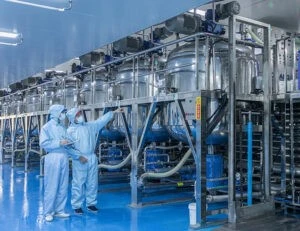
Soap Manufacturing
Step#1 Ingredient Selection and Preparation
The first step in soap manufacturing is selecting and preparing high-quality ingredients. Fats and oils are carefully chosen based on the type of soap being produced. For example, coconut oil might be selected for its lathering properties. These ingredients are then measured and prepared for the mixing process. This careful preparation ensures a consistent and high-quality base for the soap.


Step#2 Saponification
Saponification is the chemical reaction at the heart of soap making. Fats and oils are mixed with a lye solution (sodium or potassium hydroxide) under controlled temperatures. This reaction produces soap and glycerin. Precision in this step is crucial to ensure the right consistency and quality of the final product. This is where the art of chemistry meets the craft of soap making.
Step#3 Additives Incorporation
After saponification, various additives like fragrances, colorants, and therapeutic ingredients are added. This step is where a soap's unique properties and characteristics are defined. TY Cosmetics excels in this phase, meticulously blending ingredients to create distinct soap varieties that cater to diverse consumer preferences. Each additive is carefully selected to enhance the soap's appeal and effectiveness.


Step#4 Molding and Shaping
The soap mixture is then poured into molds to give it shape. Depending on the desired final form, this could be large blocks for cutting into bars or specific shapes for unique designs. The soap is allowed to cool and solidify in these molds. The transformation from a liquid blend to beautifully shaped bars is a sight to behold in soap manufacturing.
Step#5 Cutting and Stamping
Once the soap is solid, it's removed from the molds. Large blocks are cut into individual bars using precise cutting equipment. Bars may also be stamped with the company logo or design at this stage, adding a signature touch to each piece. This careful cutting and stamping process ensures consistency and brand recognition in every bar.


Step#6 Curing and Packaging
The final step involves curing the soap, which can take several weeks. This process allows the soap to complete its chemical reaction and dry to the proper hardness. After curing, the soap is packaged and prepared for distribution, ensuring it reaches consumers in perfect condition, and ready for use. Elegant and secure packaging both safeguard the soap and act as the initial customer touchpoint.