
What is lye?
Lye is a very alkaline product that has been used to make soap for decades. It also has uses in other industries, such as food and cleaning. Lye is a general term for two different alkaline compounds known as Sodium Hydroxide (NaOH) and Potassium Hydroxide (KOH). They are both metal hydroxides and basic alkaline, so they have a very high pH. The high pH makes this mixture very caustic, which means that if you don't protect your skin when you touch it at this stage, it can cause a chemical burn. These two compounds are highly water-soluble and are sometimes referred to as caustic soda.
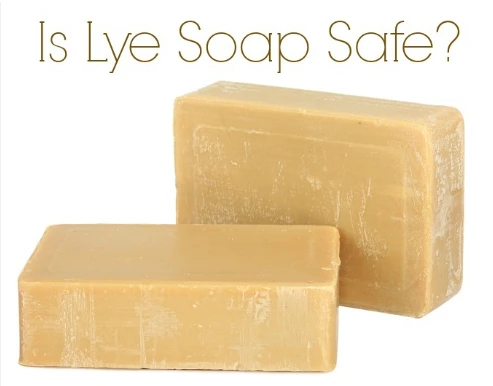
Though this may sound odd to put in soap, the chemical reactions that occur later in the soapmaking process, called saponification, neutralize the lye in the soap while activating its cleaning power.
What is Lye Soap?
Lye soap, also known as caustic soap, is a handmade soap created through a chemical reaction between lye (a strong alkaline solution) and fats or oils. This process, called saponification, breaks down the fats into fatty acids and glycerol, forming soap molecules. The soap molecules have a hydrophilic (water-loving) head and a hydrophobic (water-hating) tail, enabling them to effectively remove dirt and oil from surfaces.
The choice of lye (sodium hydroxide or potassium hydroxide) determines the hardness of the soap. Sodium hydroxide produces harder bars, while potassium hydroxide results in softer, creamier soaps. The type of fats or oils used also influences the soap's characteristics, such as its lather, scent, and moisturizing properties.
Making lye soap requires careful handling of lye, as it can cause severe burns if not used properly. It's essential to follow specific instructions, wear protective gear, and work in a well-ventilated area. The process involves heating the lye and fats or oils separately, then combining them to initiate the saponification reaction. The mixture is typically heated and stirred until it reaches trace, a point at which the soap thickens and begins to set.
Benefits of Lye Soap For Your Skin
Deep Cleansing
Natural soap made with lye is extremely effective at getting stubborn dirt out of your pores, especially when it contains coconut oil and a mild exfoliant.
Natural Ingredients
With a very basic ingredient list of lye, oil, and water, natural soap gets a thumbs up from the planet. Its lack of harsh chemicals also means it's less likely to irritate your skin. Double win!
Exfoliation
Natural exfoliants like fine pumice, poppy seeds, flowers, or ground herbs can often be found in natural soap to freshen your complexion.
Moisturizing
Natural soap with superfast and glycerine is known for its excellent moisturizing qualities.
the use of lye soap
Lye soap is a handmade soap that can be used in various ways. Here are some common uses:
1. Body Wash:
Lather: Wet your skin and gently rub the soap bar to create a lather.
Massage: Massage the lather into your skin, focusing on areas that need cleansing.
Rinse: Rinse thoroughly with warm water.
2. Hand Washing:
Lather: Wet your hands and rub a small amount of soap bar to create a lather.
Scrub: Scrub your hands together for at least 20 seconds, ensuring all surfaces are clean.
Rinse: Rinse thoroughly with warm water.
3. Facial Cleansing:
Lather: Wet your face and gently rub the soap bar to create a lather.
Massage: Massage the lather into your face using circular motions, avoiding the eye area.
Rinse: Rinse thoroughly with warm water.
4. Shaving:
Lather: Create a lather using a shaving brush and a small amount of soap bar.
Apply: Apply the lather to your skin, focusing on the areas you want to shave.
Shave: Shave gently using a sharp razor.
Rinse: Rinse your face and shave area thoroughly with warm water.
5. Laundry Detergent:
Grate: Grate the soap bar into a fine powder.
Add: Add the grated soap to your washing machine along with your laundry.
Wash: Wash as usual.
6. Cleaning Surfaces:
Grate: Grate the soap bar into a fine powder.
Mix: Mix the grated soap with water to create a paste.
Scrub: Scrub the paste onto surfaces, such as countertops or sinks.
Rinse: Rinse thoroughly with water.