

Look, I get it. Bath bombs seem like the easiest self-care product on the planet. You drop it in water, it fizzes, you soak. Done. Except... not quite.
After years of using these things and talking to people who make them, I've realized most of us are leaving half the experience on the table. Wrong water temperature, bad timing, skipping simple prep steps - small mistakes that turn a luxurious bathtub soak into a disappointing puddle of fading color.
This is the guide I wish someone had handed me before I wasted my first $12 bomb in a too-hot tub. No fluff, just what actually works.
Why Most People Use Bath Bombs Wrong
What Actually Happens When a Bath Bomb Hits Water
Here's the quick science, because it actually matters for how you use these things. A bath bomb is mostly sodium bicarbonate (baking soda) and citric acid packed together in a dry mold. The second water touches that mixture, you get an acid-base reaction that produces carbon dioxide gas - that's your fizz.
But the fizz isn't the point. It's the delivery mechanism. As the bomb breaks apart, it releases everything packed inside: essential oils, cocoa butter, shea butter, colorants, sometimes flower petals or salts. The fizzing action disperses all of that evenly through your bath water.
Why does this matter? Because if you mess up the conditions - water too hot, bomb added too early, tub too shallow - those ingredients either evaporate before you benefit from them or clump together instead of spreading out. You end up with a pretty show but miss the actual skin moisturizing and aromatherapy payoff.
Step-by-Step: Using a Bath Bomb the Right Way
Step 1 - Prep Your Tub (Don't Skip This)
Nobody wants to hear "clean your tub first," but it genuinely makes a difference. Soap scum, leftover residue from cleaning products, even hard water buildup - all of that interferes with how oils and colorants interact with your skin.
A quick rinse with warm water is enough. You don't need to deep-clean. Just make sure there's no film on the surface. If you have sensitive skin, this step is non-negotiable. Old product residue mixing with bath bomb ingredients is a recipe for irritation.
And while the tub fills? Set up your space. Candle, playlist, cold drink, whatever. This is supposed to be enjoyable, not a rushed chore between tasks.
Step 2 - Fill With Warm Water (Temperature Matters More Than You Think)
This is where most people go wrong. The ideal water temperature sits between 36–38°C (that's 97–100°F). Basically, comfortably warm but not hot-tub hot.
Here's why it matters so much: water that's too hot accelerates the chemical reaction dramatically. Your bath fizzy dissolves in under a minute, the essential oils evaporate into steam before you even get in, and the whole experience is over before it started. Plus, hot water strips natural oils from your skin - the opposite of what you're going for.
Too cold? The bomb dissolves painfully slowly. You're sitting in lukewarm water watching chunks float around. Underwhelming is the polite word.
Fill the tub about three-quarters full before you add anything. You need enough warm water for full dissolution and enough room for your body without overflowing.
Step 3 - Drop It In at the Right Moment
Timing. This is the thing nobody tells you. Don't toss the bomb in while the tub is still filling. The running water batters it apart unevenly and washes ingredients toward the drain before they can disperse properly.
Wait until the tub is mostly full and the faucet is off (or barely trickling). Then place - don't throw - the bomb near the center. This gives you even color distribution and lets the scent bloom outward in all directions.
One bomb per standard bathtub soak is plenty. I know it's tempting to use two, but you won't get double the benefit. You'll just get an overwhelming scent and potentially more oil than your skin can absorb. Swirl the water gently with your hand to help things along.
Step 4 - Wait Before Getting In
I know. The fizz is happening. The colors are swirling. You want in. But give it 60 to 120 seconds first.
This lets the initial burst of fragrance fill the room (aromatherapy benefit number one) and allows oils to start spreading across the water's surface. Watch for that moment when the color blooms outward and the scent hits you - that's your cue.
Then slide in. Let the remaining fizz work around your body. There's something genuinely satisfying about feeling those bubbles against your skin as the last bits dissolve.
Step 5 - Soak, Don't Rush
The sweet spot is 15 to 20 minutes. That's long enough for your skin to absorb the oils and butters released during dissolution, and for the aromatherapy to do its thing with your nervous system.
Longer than 30 minutes? Actually counterproductive. Extended soaking breaks down your skin's natural lipid barrier, leaving you drier than when you started. Ironic, right?
One crucial rule: skip the soap and shower gel while you're soaking. Surfactants in soap will strip away the oils the bomb just deposited on your skin. Think of it as a treatment, not a wash. You can shower later if needed.
Step 6 - After the Bath
The "to rinse or not to rinse" question comes up constantly. My rule of thumb: if the bomb was primarily a skin moisturizing formula (shea butter, coconut oil, no glitter), skip the rinse. Let those oils stay on your skin.
If it was a glitter bomb or had vivid dyes that left color on your skin? A quick, lukewarm rinse. Nothing aggressive.
Pat dry with your towel - don't rub. Rubbing creates friction that can irritate freshly softened skin. Then, within five minutes of drying off, apply your body lotion or oil. Your pores are still open and receptive. This is when moisturizer actually penetrates instead of just sitting on the surface.
Common Mistakes That Ruin Your Bath Bomb Experience
Using It in the Shower
I see this question a lot: "Can I just use it in the shower?" Technically you can drop one on the shower floor, but you're not getting the same experience. Without a full tub of still water, the oils and butters wash straight down the drain. The fizz has nothing to dissolve into. You'll smell nice for about three minutes, and that's it.
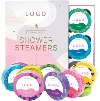
If showers are your only option, look into shower steamers instead. They're specifically designed to release fragrance in steam without needing a pool of water to work properly.
Storing Them Wrong Before Use
Humidity is the silent killer of bath bombs. Even a little moisture in the air triggers that citric acid and baking soda reaction prematurely. You end up with a crumbly, weakly fizzing disappointment when bath day arrives.
Keep them wrapped tightly - shrink wrap or cling film works great. Store in a cool, dry spot away from the bathroom (ironic, I know). A bedroom drawer or linen closet is better than a shelf next to your shower. Use them within six months of purchase for the best fizz and scent potency.
Ignoring Ingredient Lists
Not all bath bombs are created equal. Some cheap ones load up on artificial dyes that can stain older tubs and irritate sensitive skin. Others use synthetic fragrance oils that smell strong but offer zero therapeutic benefit compared to pure essential oils.
If you have sensitive skin or conditions like eczema, read labels carefully. Look for terms like "fragrance" without further specifics - that's often a blend of synthetic chemicals. Natural options list specific essential oils by name: lavender, eucalyptus, tea tree.
Who Should Be Careful With Bath Bombs
Bath bombs are generally safe for most adults, but certain groups should exercise caution:
People prone to UTIs or yeast infections: Fragrances and pH-disrupting ingredients can trigger flare-ups. Opt for unscented, simple formulas or skip the bomb on sensitive days.
Those with very sensitive or broken skin: Citric acid, even in small amounts, can sting open cuts or severely irritated skin.
Pregnant individuals: Certain essential oils (rosemary, clary sage, juniper) are best avoided during pregnancy. Check with your provider and choose fragrance-free options when in doubt.
Children under 3: Their skin is thinner and more reactive. If you want the fun factor for little ones, look for dye-free, fragrance-free kids' formulas specifically designed for young skin.
How to Pick a Bath Bomb Worth Using
Ingredients That Actually Matter
If you want genuine skin moisturizing results - not just a pretty show - look for these on the label:
Shea butter or cocoa butter: These melt in warm water and coat your skin with actual hydration.
Coconut oil or sweet almond oil: Lightweight moisturizers that absorb quickly without leaving you greasy.
Epsom salt (magnesium sulfate): Helps relax sore muscles and reduces inflammation. A real functional ingredient, not just filler.
Pure essential oils: Lavender for relaxation, eucalyptus for respiratory clarity, peppermint for energy. These offer genuine aromatherapy benefits.
Kaolin clay: A gentle detoxifying agent that draws impurities without stripping moisture.
Red Flags on the Label
Walk away if you see these signs:
The word "fragrance" with zero specifics about what that fragrance actually contains.
A long list of artificial colorants (FD&C dyes) - especially if you have a light-colored or older tub.
No ingredient list at all. If a brand won't tell you what's in their product, that tells you everything you need to know.
FAQ
Can I use half a bath bomb and save the rest?
Absolutely. Use a sharp, dry knife to cut it in half while it's still dry. Wrap the unused portion tightly in plastic wrap or foil and store it somewhere moisture-free. Use it within a week. It won't fizz quite as spectacularly as a whole bomb, but the oils and butters still work just fine.
Do bath bombs expire?
They won't make you sick, but they definitely degrade. The fizzing reaction weakens over time as the citric acid slowly neutralizes. Scent fades too. For the full bath fizzy experience - dramatic fizz, strong aroma, vibrant color - use them within six months of purchase.
Will a bath bomb stain my tub?
Most quality bombs won't permanently stain, but vivid colors like deep red or electric blue can leave temporary residue, especially on older porcelain or porous acrylic surfaces. The fix is simple: rinse your tub immediately after draining. A paste of baking soda and water removes most stubborn marks.
Can I use a bath bomb with a jetted or whirlpool tub?
Generally not a great idea. The oils, butters, and any solid particles (flower petals, glitter) can clog jets and build up inside the internal plumbing over time. If you love your jetted tub, check the manufacturer's guidelines first. Some brands make jet-safe formulas specifically for this reason.
Are bath bombs safe for septic systems?
In normal use, yes. The main ingredients - baking soda, citric acid, oils - dissolve completely and won't harm your septic system. The exception: bombs loaded with non-biodegradable glitter or plastic confetti. Those bits don't break down and can accumulate. Stick with biodegradable or glitter-free options if you're on septic.
Is it okay to use a bath bomb every day?
For most people, two to three times per week is the comfortable sweet spot. Daily use - particularly with heavily fragranced or strongly colored bombs - can gradually disrupt your skin's natural moisture barrier and pH balance. Your skin needs recovery days. Think of bath bombs as a treat, not a daily routine, and your skin will thank you for it.