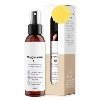

What is a reed diffuser?
A reed diffuser is a home fragrance essential that includes a bottle of essential oil dipped with rattan or synthetic sticks called reeds. Reed diffusers give a well-ventilated room fragrance without the use of heat or electricity, making it a subtle and popular option among homeowners.

How Do Reed Diffusers Work?
A mixture of oils – depending on what scent you're looking for – is poured into a small container. Reed sticks – long, thin strips of rattan wood or synthetic polyamide – are then put into the container.
In a reed diffuser, the mixture is absorbed into the sticks in a process known as capillary action. When the oils soak into the reeds, they diffuse into the air through evaporation – giving the room its fragrance.
The natural process doesn't involve harmful aerosols or burning products to create smells, making it a safer and more sustainable alternative to candles and spray cans for classrooms, offices, and households.
How to use diffuser reeds
The amount of scent released from your diffuser can be managed by how the reeds are positioned in the jar.
Typically, reed diffusers contain around 12 reeds – more reeds mean more diffusion and a more concentrated scent. However, the more reeds there are, the quicker the oil mixture gets used.

The position of the reeds makes a substantial difference, too. Grouping them restricts the airflow around the reeds, limiting the diffusion to a smaller area. When spread out, the airflow is maximized, allowing the scent to spread throughout the room.
The length of the reeds also helps with this. Longer reeds catch more air leading to a broader scent diffusion that fills the room more rapidly than shorter ones.
How To Make Reed Diffusers Work Better
Reed diffusers are a popular way to scent your home, but sometimes they don't seem to be as effective as you'd like. Here are some tips to help you get the most out of your reed diffuser:
Add More Diffuser Sticks
Reed diffusers often arrive with six to 12 sticks. The latter may already radiate an optimal aroma, but you can always place as many reeds as you want until you fill out the space of the bottle's neck and achieve your desired scent. This approach works best for bigger rooms or open spaces. The more reeds you add to your diffuser, the more aromatic compounds are absorbed and released into thin air, giving the scent the punch it needs to fill much of the room. One thing is worth mentioning, though. It's that adding more reeds would also mean the essential oil may tend to run out more quickly, which often shortens the lifespan of your diffuser. It's best to have a spare in hand in case it needs some replacing.
Flip or Replace Your Reeds Regularly
The general rule is to flip the diffuser reeds at least every two to three weeks or as often as you think is needed. Depending on the quality of your diffuser, the scent may lose its freshness sooner than expected. In some cases, dust clogs the pores of your reeds, affecting their ability to soak up the oil's natural scent and give your desired extra burst of fragrance. If adding more reeds and turning them over won't work, then this might call for a replacement. Essentially, reeds must be changed every six months. We suggest choosing a high-quality reed (such as those used in 96NORTH diffusers) that can hold the scent for a longer period to avoid frequent disposal.
Play With Different Scent Notes
Another potential reason why some reed diffusers don't seem to smell as nice as they used to is that your olfactory nerve is probably used to that particular smell. Diffusing the same scent of essential oils over time gives your olfactory system a steady flow of the same aromatic molecules you inhale. So when you get used to that smell, you start doubting your reed diffuser for not giving you the same level of fragrance as the first time you smelled it. You might even ask yourself, "Why has my reed diffuser stopped working?". But in reality, you might just have adapted to the very scent that no longer ignites your senses. In that case, we recommend exploring other scent notes to get an unusual olfactory experience. For instance, if you've had enough of those fresh scent notes, such as the usual citrusy and aquatic scents, you may switch to warmer notes like cinnamon for a more sensual vibe or opt for wood and florals if you wish to indulge in a nature-like sanctuary.
Find The Perfect Placement
Where you put your reed diffuser can have a monumental effect on its performance. As stated before, dust buildup in reeds can stop your diffuser from giving off much scent, so aim for areas at home that are dust-free. Other great spots include your entryway, bathroom, and hallways between bedrooms. High-traffic zones help keep the scent rolling due to increased air movement, which often leads to better circulation of the scent. Choose areas with good airflow but not necessarily alongside air conditioners, open windows, or front doorsteps, as this type of air motion may cause the fragrance to escape your home.
Give Your Diffuser Some TLC
Reed diffusers do not need as much maintenance as electric diffusers, which require regular washing of vessels to avoid mold buildup and foul odor over time. But it doesn't hurt to give your reed diffusers proper care now and then to make them more efficient and durable. When making an oil refill, make sure to wash the bottle with soap and water and let it dry completely before you fill it up with new essential oil. Likewise, avoid adding water to your oil in hopes of making it last a bit longer. Water can cause non-synthetic reeds to warp and become less effective in the long run.