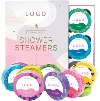

What Is Jelly Soap?
Jelly soap, which is also called jelly bath soap or jelly shower gel, is a playful, colorful, and bouncy form of soap that feels like gelatin and moves around in your palm. It has the cleaning power of regular soap plus a fun, sensory-rich texture that kids, teens, and those who appreciate creative skincare love. Jelly soap makes bath time more fun by letting you shape it into hearts, stars, or fruit shapes.

Handmade businesses and bath boutiques first made jelly soap popular. Now, it is a hot item in the DIY beauty and private label markets. It's easy to make your own with colors, scents, and textures, which makes it popular with both craft aficionados and new beauty businesses.
This article will show you step by step how to manufacture jelly soap, what you need to make it, how to make it your own, and how to turn it into a product that fits your brand. The technique is easy, and the outcomes are always interesting, whether you're doing it for fun or for work.
Key Ingredients You'll Need
Making jelly soap is surprisingly easy, but you need to pick the correct ingredients to create the right texture, scent, and look. This is what you usually need:
- Liquid Cleanser or Soap Base
A gentle cleansing agent is what makes up the base of your jelly soap. If you want more structure and richness, you can use clear liquid castile soap, baby shampoo, or a melt-and-pour soap base.
- Gelling Agent (Gelatin or a Vegan Option)
A gelling agent is what you need to produce that trademark wobbling texture. You can use agar-agar powder, carrageenan, or konjac extract instead of unflavored gelatin in traditional jelly soaps. These plant-based ingredients give the soap a bounce.
- Water
Used to dissolve your gelatin or plant-based thickener and dilute the formula to the right consistency.
- Glycerin (Optional but Suggested)
A humectant that keeps the soap from drying up and makes it feel smoother on the skin.
- Dyes
Use mica powders or soap-safe pigments to add some personality. You may be creative with swirls, layers, or gradients, and a little goes a long way.
- Essential Oils or Fragrance Oils
The scents are what make jelly soap special. Lavender, citrus, peppermint, and bubblegum are all popular scents. Always use essential or fragrance oils that are safe for skin in the right amounts.
- Molds made of silicone
Use molds that are flexible, like stars, bears, seashells, or geometric forms, to shape your jelly soaps. Once the soaps are set, silicone molds make it easy to get them out.
You may start making jelly soaps that fit your style, skin demands, or brand identification with these materials. We'll go over the whole DIY procedure in the next section.
Step-by-Step: How to Make Jelly Soap at Home
Making jelly soap is simple, entertaining, and doesn't need any special tools. Follow these easy steps to produce your own colorful, wobbling soap at home:
Materials You'll Need:
- Measuring cup
- Saucepan or microwave-safe bowl
- Whisk or spoon
- Silicone molds
- Refrigerator
Instructions:
Step 1: Make the base for the gelatin
Mix 1 tablespoon of unflavored gelatin (or 1.5 tablespoons of agar-agar powder for a vegan variation) with ½ cup of boiling water in a bowl. Mix vigorously until everything is smooth and dissolved. This is what makes your soap feel bouncy.
Step 2: Add the Soap Base Mix in ½ cup of castile soap or liquid soap with the gelatin. Stir slowly so you don't make too many bubbles.
Step 3: Add scent and color to make it your own
Put in 1–2 drops of soap-safe coloring and 3–5 drops of essential or aroma oil. Stir well. You can also add around a teaspoon of glycerin to help keep your skin moist.
Step 4: Pour into the molds
Pour the mixture into the silicone molds carefully. You can use molds that look like stars, hearts, animals, or even anything that have to do with holidays.
Step 5: Cool and Set
Put the filled molds in the fridge for at least three to four hours, or until the soap is completely set and feels hard to the touch.
Step 6: Take out of the mold and put away
To get your jelly soaps out of the molds, press them gently. Put them in a container with a lid that is cool and dry to keep them from melting or drying out.
Tips for Customizing Your Jelly Soap
One of the best things about making jelly soap is how easy it is to change. You can make your jelly soap feel completely different by changing the scent, shape, or color a little bit. This is true whether you're making it for yourself or to sell.
You might use bright, multi-layered colors to provide a rainbow appearance, or you can use soft pastels for a spa-like image. Lavender-purple, ocean-blue, and citrus-orange are all popular color schemes. They not only look well, but they also smell good with other aromas. If you want to make it more fun, add biodegradable glitter, flower petals, or small toys (particularly for kids' stuff).
You can also be creative with scent. You can mix essential oils to fit your mood. For example, peppermint and eucalyptus will make you feel fresh, while vanilla and rose will make you feel tranquil and elegant. Different scents can make people feel different things, so think about how you want the person using it to feel.
Don't forget about the shape, too. You may make a simple bar of soap into a beautiful present or product by using silicone molds with themes, such as animals, geometric blocks, or festive decorations. This is also where branding comes in for businesses: a unique aroma and color combination can become part of your product's identity.
Making jelly soap look attractive is only part of the process. You also want to create a sensual experience that matches your personality or brand concept.
Jelly Soap FAQs
Q: Is jelly soap the same as ordinary soap?
A: You can use jelly soap the same way you would bar or liquid soap. Just grab a bit, rub it under water, and make a lather. Use a loofah or sponge with it to get a thicker foam.
Q: Is jelly soap safe for kids?
A: Yes, jelly soap is safe and pleasant for kids as long as it is created with gentle components like baby-friendly cleansers and no strong scents. Just keep an eye on the kids so they don't fall or eat it by accident (it does look like Jell-O!).
Q: Will jelly soap dissolve if you leave it out at room temperature?
A: The ideal place to keep jelly soap is in a cold, dry spot. It won't melt right away at normal temperature, but it can get softer or lose its shape when it's hot or humid. Refrigeration makes things last longer and stay firm.
Q: How long does jelly soap that you make yourself last?
A: Jelly soap can last for two to three weeks if it is kept in a container that is airtight. Adding natural preservatives like rosemary extract or vitamin E can help keep things fresh for longer, so you can use or sell them again.
Q: If I want to sell it, can I put labels or branding on it?
A: Yes! You can put jelly soap in cups, jars, or clamshell containers that are sealed and add waterproof labels. Just make sure your formula is stable and follows the rules for cosmetics in your nation.
Q: Is it feasible to make vegan jelly soap?
A: Yes. Instead of gelatin made from animals, use plant-based options like agar-agar or carrageenan. The product might be a little softer, but it's still unstable and entertaining to use.