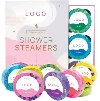

We've all been there. You're digging through the cabinet under the bathroom sink, looking for a spare razor or a travel-sized shampoo, and your hand lands on a forgotten stash of shower steamers. Maybe they were a gift from last holiday season. Maybe you bought a bulk pack during a self-care phase that didn't quite stick. Either way, they've been sitting there for... a while.
So now what? Are they trash? Are they safe? Can you still get something out of them?
Good news: you probably don't need to toss them. Let's walk through what's actually going on with those neglected little tablets and what you can do about it.

Do Shower Steamers Actually Expire?
Short answer - yes, sort of. Shower steamers do degrade over time, but "expired" doesn't automatically mean "dangerous" or "useless." Think of it less like expired milk and more like stale bread. The experience diminishes, but you're not in any real danger.
The shower steamer shelf life depends heavily on ingredients and storage. What you're really dealing with is effectiveness expiration rather than safety expiration. The essential oils lose potency, the fizzing action weakens, and the overall aromatherapy experience fades. But the steamer itself isn't going to hurt you in most cases.
What Happens Inside a Shower Steamer Over Time
Here's the basic chemistry, without making it feel like a lecture. Shower steamers are built on two core ingredients: baking soda (sodium bicarbonate) and citric acid. When these hit water, they react and create that fizzing action, which is what releases the essential oils into the steam around you.
The problem? That reaction can start happening slowly even without you turning on the shower. Moisture in the air - especially bathroom humidity - seeps into the tablet and triggers a premature, low-grade version of the fizz. Over weeks and months, this eats away at the steamer's reactive power.
Meanwhile, essential oils are volatile compounds. That's a chemistry term meaning they evaporate easily. Even through packaging, those oils slowly escape into the air. This is why an old steamer might barely smell like anything when you unwrap it. The essential oil potency loss is gradual but relentless, especially if storage conditions aren't ideal.
Typical shelf life ranges look something like this: commercial shower steamers in sealed packaging last roughly 6 to 12 months. Some premium brands with better sealing push to 18 months. Homemade steamers? You're looking at 3 to 6 months, tops, since most home crafters don't have access to industrial shrink-wrapping equipment.
Signs Your Shower Steamers Have Gone Past Their Prime
You don't need a chemistry degree to figure this out. Here's a quick test I call the "sniff and squeeze" - takes about ten seconds:
Weak scent or no scent at all when you hold it close to your nose
Crumbling or chalky texture - the tablet falls apart in your hand without any water
Discoloration - the color has faded significantly or turned a murky, uneven shade
Damp or soft spots - indicates moisture already got in and started the reaction
No fizz when you drop a small piece into water
If you hit three or more of those, the steamer is past its prime for shower use. But keep reading before you throw it out.
Are Expired Shower Steamers Safe to Use?
This is the question everyone's actually worried about, right? Nobody wants to breathe in something sketchy while standing naked in an enclosed space.
For the vast majority of expired steamers, the answer is yes, they're safe. Baking soda and citric acid don't become toxic with age. Essential oils don't turn poisonous. The worst-case scenario for a typical expired steamer is that it sits on your shower floor, does basically nothing, and you feel mildly disappointed.
That said, there are genuine red flags. If you see visible mold - any fuzzy spots, especially green or black - discard it immediately. If the steamer smells rancid or "off" in a way that's distinctly not the original scent, that's another sign something has gone wrong. And steamers containing botanical ingredients like dried flowers, milk powders, or food-based additives have a higher chance of actual spoilage.
If you're unsure and want to use one anyway, try a patch test approach. Dissolve a small piece in water and apply a drop to your inner wrist. Wait 20 minutes. No redness or irritation? You're good to go.
When You Should Definitely Throw Them Away
Let me be direct here. Toss them without guilt if:
There's any visible mold or fungal growth
They got wet during storage and have been sitting damp in a closed container (bacterial breeding ground)
They contain milk powders, oatmeal, honey, or other perishable additives that smell spoiled
The smell is actively unpleasant - not just faded, but genuinely off-putting
In these cases, no amount of repurposing is worth the risk. Let them go.
5 Smart Ways to Repurpose Old Shower Steamers
Alright, here's the part you probably came for. Your steamers are past their best-by date for shower use, but they're not moldy or dangerous. They're just... underwhelming. Here's how to get real value out of them instead of feeling guilty about wasting money.
Crush Them Into a DIY Toilet Bowl Cleaner
This one's my personal favorite because it requires almost zero effort. The baking soda and citric acid base in shower steamers is essentially the same formula used in many toilet cleaning tablets. Even when the fizz is too weak to fill a shower with steam, it's still strong enough to help break down grime in a toilet bowl.
Here's what you do: crush one or two steamers into powder (a ziplock bag and a rolling pin works fine), dump the powder into the toilet bowl, let it sit for 15 to 20 minutes, then give it a quick scrub with your toilet brush. Whatever essential oil remains adds a pleasant scent. You basically just made a free cleaning product.
Use Them as Drawer and Closet Fresheners
Even steamers with barely-there scent still have more fragrance than the inside of your sock drawer. Crush them up, put the powder in a small breathable sachet, and tuck it into enclosed spaces. Lavender and eucalyptus varieties work especially well here since those scents linger longer than citrus.
Don't have fancy sachets lying around? A square of cheesecloth tied with a rubber band works. Honestly, an old sock works too - nobody's judging what's inside your dresser. This is a great way of repurposing old bath products that would otherwise sit forgotten until your next cabinet cleanout.
Add to a Foot Soak
Lower your expectations for the fizz factor, but a foot soak with an expired aromatherapy tablet still beats plain water. The warm water activates whatever potency remains in the ingredients, and since your feet are submerged directly in the solution, you get more contact with the dissolved minerals and oils than you would from shower steam alone.
Pro tip: toss in a handful of Epsom salt to compensate for the weakened steamer. The salt adds its own muscle-relaxing benefits and makes the whole thing feel more intentional rather than like you're using leftovers. Which you are. But it doesn't have to feel that way.
Toss Them Into a Regular Bath
Here's the logic: shower steamers underperform in showers when they're old because the fizzing reaction is too weak to push essential oils into the surrounding steam effectively. But in a bathtub? You're soaking directly in the water where the ingredients dissolve. The delivery mechanism changes entirely.
Use two or three expired steamers at once for a noticeable effect. They won't perform like a proper bath bomb - no dramatic color or mountains of fizz - but the residual oils and minerals still create a more pleasant bath than water alone. Think of it as a subtle, understated soak.
Sprinkle on Carpet Before Vacuuming
This is basically the same concept as those commercial carpet freshening powders, except you already own it and it's free. Crush your old steamers into fine powder, sprinkle lightly over carpeted areas, wait 10 to 15 minutes, then vacuum as normal.
The baking soda absorbs odors while the remaining essential oils leave a light, clean scent behind. Works particularly well in high-traffic areas or rooms with pets. Just don't go overboard - a thin dusting is all you need. Caking it on will just clog your vacuum filter.
How to Store Shower Steamers So They Last Longer
Prevention is cheaper than repurposing. If you want to avoid the whole "forgotten steamers under the sink" situation next time, storage matters more than most people realize.
The Airtight Container Rule
The single best thing you can do for shower steamer shelf life is keep air and moisture away from them. Individually wrap each steamer in plastic wrap or beeswax wraps, then store the wrapped tablets in an airtight container. Yes, both layers matter.
And here's the counterintuitive part - do not store them in your bathroom. I know, I know. It seems logical to keep them where you use them. But bathrooms are the most humid rooms in any home. Every shower you take pumps moisture into the air, and that moisture slowly infiltrates your stash. A hallway closet or bedroom drawer is a far better home for them.
Temperature and Light Considerations
Cool, dark, and dry - that's the trifecta. Heat accelerates essential oil evaporation, which is literally the opposite of what you want happening before use. Direct sunlight degrades both scent compounds and color pigments. A bedroom closet shelf beats a bathroom cabinet every single time.
If you live in a particularly warm climate, don't store them anywhere that gets above room temperature regularly. That top shelf near the ceiling that collects heat? Bad choice. Bottom shelf in a cool closet? Perfect.
Proper Disposal If You Just Want Them Gone
Maybe you're not the DIY type. Maybe you just want these things out of your life. That's completely fine - here's how to handle expired shower steamers disposal responsibly.
The good news is that most shower steamers are water-soluble and non-toxic. You can dissolve them in water and pour the solution down the drain without any environmental concern. The ingredients break down harmlessly. If you have several to get rid of at once, dissolve them in a bucket of warm water rather than clogging your drain with dry chunks.
For steamers made with all-natural ingredients and no synthetic dyes, composting is actually an option. Baking soda and citric acid are both compost-safe in small quantities. Crush them up and add to your compost bin.
As for packaging - check with your local recycling guidelines. Shrink wrap generally isn't recyclable curbside, but cardboard boxes and paper labels are.
Frequently Asked Questions
Q: Can Expired Shower Steamers Cause Skin Reactions?
A: Generally, no. The base ingredients don't become irritants over time. However, if mold has developed or botanical additives have decomposed, sensitive skin might react. When in doubt, dissolve a small amount in water and test on your inner wrist before full use. If nothing happens after 20 minutes, you're in the clear.
Q: How Long Do Shower Steamers Last Unopened?
A: Commercial shower steamers with proper sealed packaging typically last 12 to 18 months. Homemade versions have a shorter window - usually 3 to 6 months - because DIY sealing methods can't match commercial vacuum-sealing or shrink-wrapping. Once opened, use within a few weeks for the best experience.
Q: Can I Refresh Old Shower Steamers With Essential Oils?
A: You can restore some scent by adding 3 to 5 drops of essential oil directly onto the tablet and letting it absorb for a few hours. This works reasonably well for reviving the aromatherapy element. Fair warning though: it won't fix the fizzing reaction. If the citric acid and baking soda have already partially reacted with ambient moisture, no amount of added oil will bring back that satisfying effervescence.
Q: Do Shower Steamers Expire Faster In Humid Climates?
A: Absolutely, and it's not even close. Humidity is the number one enemy of shower steamers because it triggers the acid-base reaction before you ever use the product. If you live in a tropical or coastal area, airtight storage isn't just recommended - it's essential. Consider adding silica gel packets to your storage container for extra moisture protection. Some people in high-humidity regions even store steamers in the refrigerator, which sounds odd but actually works.
Q: Is There A Difference Between "Expired" And "Stale" Shower Steamers?
A: There's a useful distinction here. A stale shower steamer has reduced fizz and faded scent but is still perfectly usable - you'll just get a less dramatic experience. An expired steamer has degraded past the point of reasonable effectiveness for its intended purpose, and in rare cases (when perishable ingredients are involved), it might be genuinely compromised. Most steamers fall into the "stale" category long before they're truly expired in any meaningful sense. If it still smells faintly nice and holds its shape, it's stale. If it's crumbling, scentless, and has been sitting there for two years - that's expired.