
The Real Difference Between Bath Salts and Bath Bombs
What Exactly Are Bath Salts?
Bath salts are mineral compounds - typically Epsom salt (magnesium sulfate), Dead Sea salt, or Himalayan pink salt - that dissolve in warm water to create a therapeutic soak. They've been used for hundreds of years, long before Instagram made bathing aesthetic.
When you pour salts into your tub, they dissolve completely. No residue, no film, no drama. Just mineral-rich water that your skin absorbs. Many formulations pair the salts with skin moisturizing ingredients like jojoba oil, sweet almond oil, or vitamin E to boost hydration while you soak.
The magnesium in Epsom salt is the star player here. It's what gives bath salts their reputation for easing sore muscles and calming tension - something I'll get into more below.
What Exactly Are Bath Bombs?
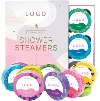
Bath bombs are compressed mixtures of baking soda and citric acid. When they hit water, an acid-base reaction kicks off - that satisfying fizz you see. Mixed into that base are colorants, fragrances, essential oils, and sometimes extras like flower petals, glitter, or little embedded surprises.
The experience is immediate and theatrical. You drop it in, watch it spin and dissolve, and your bathwater transforms into something that looks like a sunset or a galaxy. The aromatherapy bathing experience hits fast - a concentrated burst of scent fills the bathroom within seconds.
Modern bath bombs have gotten creative. Some contain shea butter or coconut oil for moisture. Others have dried botanicals floating on the surface. They're designed to make bathing feel like an event.

A Quick Side-by-Side Snapshot
| Factor | Bath Salts | Bath Bombs |
|---|---|---|
| Texture | Coarse crystals or fine grains | Compact, smooth sphere or shape |
| Activation | Dissolves gradually in warm water | Fizzes on contact with water |
| Visual Effect | Subtle - water may turn slightly milky | Bold - vivid colors, swirls, fizz |
| Mess Factor | Minimal - dissolves clean | Varies - glitter and petals can linger |
| Common Additives | Essential oils, carrier oils, dried herbs | Dyes, fragrance oils, butters, botanicals |
Choosing Based on What Your Body Actually Needs
You Want Muscle Relief or Joint Support
Bath salts win this round, and it's not close. Epsom salt delivers magnesium sulfate directly to your skin, and there's reasonable evidence that this helps relieve muscle soreness, reduce mild inflammation, and ease joint stiffness.
Athletes have soaked in Epsom salt baths for decades - it's a staple recovery tool. If you deal with chronic pain, restless legs, or post-workout tightness, a 15-to-20-minute soak in water around 92–100°F (33–38°C) is the sweet spot. Not scalding hot, just comfortably warm.
Bath bombs don't really compete here. They're fun, but they weren't designed with therapeutic bath soak benefits in mind.
You Want Skin Hydration and Softness
Both can moisturize, but they do it differently. Bath salts paired with carrier oils - think argan, coconut, or jojoba - tend to offer deeper, more even hydration. The minerals themselves support skin barrier function, and the oils seal moisture in.
Bath bombs with shea butter or cocoa butter do coat your skin in a soft layer, which feels lovely. But they can also leave an oily residue on the tub and sometimes on you in a way that feels less "hydrated" and more "greasy," depending on the formula.
If you have dry skin, salts with oils are your best bet. Oily or acne-prone skin? Go with plain mineral salts, no added oils. Sensitive skin? Skip heavily fragranced versions of either product.
You Want an Aromatherapy Bathing Experience
Both deliver scent, but the delivery matters. Bath salts release fragrance slowly and steadily as you soak - a low hum of lavender or eucalyptus that lasts the entire bath. It's subtle, consistent, and won't overwhelm you.
Bath bombs are the opposite. They release a concentrated wave of scent in the first few minutes as the fizz erupts, then it tapers off. If you love that initial "wow" moment, bombs deliver. But for a sustained relaxation self-care routine where scent carries you through 20+ minutes, salts are more reliable.
One important note: the quality of essential oils varies wildly between brands. Cheap fragrance oils aren't the same as real lavender or peppermint essential oils. Check labels if aromatherapy is your actual goal, not just a nice smell.
You Have Sensitive Skin or Allergies
This is where I get a little protective. Many commercial bath bombs are loaded with synthetic dyes, artificial fragrance, and cosmetic glitter - all of which can irritate sensitive skin, trigger allergic reactions, or disrupt your body's natural pH balance.
Plain mineral salts are generally the gentler option. Epsom salt and Dead Sea salt without additives are about as low-risk as it gets for a bath product.
Here's a quick label-reading checklist:
Avoid: FD&C dyes, "fragrance" (unspecified), SLS, polyethylene glitter
Look for: essential oils (named specifically), natural colorants like clay or mica, mineral-rich salt sources
Bonus: fewer than 8-10 ingredients usually means fewer potential irritants
Choosing Based on the Experience You're After
The "I Need to Unwind After a Long Day" Bath
When you're fried - mentally or physically - you don't need a spectacle. You need warm water, quiet, and something that actually helps your nervous system downshift.
That's a bath salt night. Epsom or Dead Sea salt with lavender or eucalyptus essential oil. No colors to watch, no fizzing to wait for. Just you, the water, and the steady bath soak benefits of minerals and warmth working on your body for 20 minutes.
Simplicity supports deeper relaxation. Fewer stimuli means your brain can actually let go.
The "I Want a Mini Spa Moment" Bath
Some nights you don't just want to relax - you want to feel pampered. You want the candles lit, the playlist going, maybe a face mask on. This is bath bomb territory.
The fizz, the color transformation, the burst of scent - it turns an ordinary Tuesday bath into something that feels intentional and special. Fizzy bath products create an atmosphere that plain salts simply can't match. It's sensory. It's playful. It's a mood boost in a sphere.
Pair it with a glass of something nice and a locked bathroom door. That's self-care.
The "I'm Bathing My Kids" Scenario
Bath bombs shaped like dinosaurs or spaceships that turn the water purple? Kids lose their minds for this stuff. It makes bath time fun instead of a nightly negotiation.
But a few flags worth raising: synthetic dyes can temporarily stain young skin (and your tub). Some fragrances are too strong for small children. And glitter - while delightful - ends up everywhere for days.
Look for kid-specific bath bombs that are fragrance-free or use gentle natural colorants. Or better yet, let them watch a plain Epsom salt bath fizz slightly less dramatically but skip the cleanup headache entirely.
Practical Stuff Nobody Talks About
Cleanup and Tub Maintenance
Let's be real for a second. That gorgeous bath bomb with rose petals and gold glitter? Somebody has to clean that tub afterward. Petals clog drains. Glitter sticks to porcelain. Heavy dyes can leave rings that require actual scrubbing.
If you're using a petal-heavy bomb, drop it in a mesh bag first - you still get the visual, but cleanup is infinitely easier. Or just... choose bombs without the extras.
Bath salts? They dissolve completely and rinse away with the bathwater. No scrubbing. No drain snakes. Nothing.
Storage and Shelf Life
Bath salts are basically immortal. Keep them in a sealed jar away from moisture, and they'll last years without losing potency. The essential oils might fade slightly over time, but the minerals don't expire.
Bath bombs are fussier. They're moisture-sensitive - a humid bathroom will slowly kill the fizz. Store them wrapped, in a cool dry spot, and use them within 6 months for the best reaction. That half-forgotten bomb in your cabinet from last holiday season? It'll still work, but the fizz will be disappointing.

Can You Use Both Together?
Absolutely - and honestly, this is my favorite move for a weekend bath. You get the therapeutic depth of mineral salts combined with the sensory fun of a bomb. Best of both worlds.
The trick is layering. Pour your bath salts in first while the water is running and let them fully dissolve. Then, once you're in the tub and settled, drop the bath bomb and enjoy the show.
One tip: use half your normal amount of each. A full dose of salts plus a full bomb can make the water feel heavy or overly fragrant. Start modest. You can always add more salt, but you can't un-drop a bomb.
A Simple Decision Checklist
Still not sure? Run through this:
Your muscles ache or joints are stiff → Bath salts (Epsom or Dead Sea)
You want deep skin hydration → Bath salts with carrier oils
You want a mood boost or visual treat → Bath bomb
You're watching your budget → Bath salts (more soaks per dollar)
You have sensitive skin → Plain mineral salts, no dyes or fragrance
You're bathing a kid who hates bath time → A gentle, naturally colored bath bomb
You want long-lasting scent throughout your soak → Bath salts with essential oils
You want the full spa aesthetic → Bath bomb, candles, the whole setup
You want both therapeutic and fun → Use them together
FAQ
Q: Are Bath Salts Or Bath Bombs Better For Dry Skin?
A: Bath salts with added oils (like jojoba or sweet almond) generally provide better hydration for dry skin. The minerals support your skin barrier while the oils lock moisture in. That said, bath bombs formulated with shea butter or coconut oil also work - it depends more on the specific ingredients than the product format. Always moisturize after either way.
Q: Can Bath Bombs Cause Yeast Infections Or Irritation?
A: They can, yes - though it's not guaranteed. Synthetic fragrances, artificial dyes, and certain preservatives can disrupt vaginal pH and irritate sensitive tissue. If you're prone to yeast infections or UTIs, choose unscented bath bombs or stick with plain mineral salts. Avoid anything with glitter near sensitive areas. This isn't fearmongering - it's just practical body awareness.
Q: How Often Is It Safe To Use Bath Salts Or Bath Bombs?
A: Two to three times per week is perfectly fine for most people. One thing to watch: soaking in salts without moisturizing afterward can actually dry your skin out over time, since the minerals draw moisture. Always apply lotion or body oil post-bath. For heavily dyed bath bombs, maybe limit to once a week to spare your tub and your skin.
Q: Do Bath Salts Or Bath Bombs Actually Do Anything, Or Is It Just Marketing?
A: Fair question. The magnesium absorption from Epsom salt baths has some scientific backing - not conclusive, but enough that doctors routinely recommend it for muscle soreness. Aromatherapy's calming effects are well-documented in research on essential oils like lavender. And honestly? The ritual itself - warm water, quiet time, intentional self-care - is a legitimate relaxation self-care routine regardless of what you put in the tub. Not everything needs a clinical trial to be worth doing.
Q: What Should I Look For On The Ingredient Label?
A: Fewer ingredients is almost always better. Look for salts sourced from recognizable places (Dead Sea, Himalayan mines). Essential oils should be listed by their actual plant name, not just "fragrance." Natural colorants like kaolin clay, spirulina, or mineral mica are safer than FD&C numbered dyes. If "fragrance" or "parfum" appears without specifics, that's a catch-all term that could mean dozens of undisclosed chemicals. When in doubt, simpler is safer.