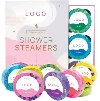

Let's be honest - standing in front of a wall of bath bombs, each one more colorful and fragrant than the last, can feel oddly overwhelming for something that's supposed to be relaxing. I've been there. You pick one up, sniff it, flip it over, see a list of ingredients you can't pronounce, and end up grabbing whatever looks prettiest.
That approach works sometimes. Other times you end up with a stained tub, irritated skin, or a bath that smells like a synthetic candy shop exploded in your bathroom. So here's the thing: the "best" bath bomb doesn't exist universally. It depends on your skin, your mood, and what you actually want out of that 30 minutes of soaking.

Why Not All Bath Bombs Are Created Equal
The gap between a well-made bath bomb and a cheap filler-packed one is enormous. Some dissolve into a silky, fragrant experience that leaves your skin genuinely softer. Others fizz for three seconds, turn your water a murky grey, and leave an oily ring around the tub you'll spend ten minutes scrubbing.
Quality varies because ingredient sourcing varies. A brand using real essential oils for bath and cold-pressed carrier oils is operating in a completely different league from one using synthetic fragrance and mineral oil. Both can call themselves "bath bombs." Only one actually does something for your skin.
The Boom in Fizzy Bath Products - And Why It Matters to You
The bath bomb market has exploded in recent years. Indie brands on Etsy, wellness-focused luxury lines, subscription boxes, even gas stations carry them now. Custom blends, crystal-infused options, CBD bombs - the category just keeps expanding.
More options sounds great in theory. In practice, it means more noise. More marketing claims. More confusion about what actually matters when you're choosing one. That's exactly why understanding the basics puts you ahead of most buyers who just grab and hope for the best.
What's Actually Inside a Bath Bomb?
At its core, every bath bomb runs on the same simple chemistry. But the details - the specific oils, the quality of fragrance, the extras packed in - that's where products diverge dramatically.
The Core Ingredients (And What They Do to Your Skin)
The fizz you see is a reaction between baking soda (sodium bicarbonate) and citric acid when they hit water. That's it. That's the magic. Baking soda softens water and gently cleanses skin. Citric acid helps exfoliate mildly.
Beyond the fizz engine, you'll usually find Epsom salts (magnesium sulfate) for muscle relaxation and carrier oils like coconut, sweet almond, or sunflower for moisture. The ratio matters more than people realize. Too much oil and you'll feel greasy stepping out. Too little and the bomb is basically just a fizzy show with no skin benefit.
A well-balanced bath bomb leaves your skin feeling conditioned - not coated.
Additives Worth Paying Attention To
This is where bath bombs get interesting. Essential oils like lavender, eucalyptus, and peppermint can deliver genuine aromatherapy bath experience benefits - lavender legitimately promotes relaxation, eucalyptus opens airways, peppermint energizes.
Dried botanicals (rose petals, chamomile flowers) are mostly aesthetic, though some do release gentle skin-soothing compounds. Clays like kaolin or bentonite can draw out impurities. Cocoa butter and shea butter melt in warm water and create a moisturizing layer on skin.
Then there's glitter. Look, glitter is fun. But cosmetic-grade biodegradable glitter is very different from craft glitter that clogs drains and sticks to everything for weeks. If a brand doesn't specify "biodegradable" or "cosmetic grade," assume the worst.
Red-Flag Ingredients to Avoid
Flip the label. Seriously - get in the habit. Watch out for:
Synthetic fragrances listed as "parfum" or "fragrance" (can contain dozens of undisclosed irritants)
FD&C dyes in high concentrations (stain skin and tubs, irritate sensitive folks)
Parabens and phthalates (preservatives linked to hormone disruption)
Sodium lauryl sulfate (SLS) - unnecessary in a bath bomb and drying to skin
If the ingredient list is shorter and you can actually pronounce most of it, that's generally a good sign.
Matching a Bath Bomb to Your Skin Type
This is the section most "best bath bombs" articles skip entirely. They'll rank products by scent or aesthetics without ever asking: but will this actually agree with your skin? Skin type bath bombs compatibility matters more than fragrance preference if you want to step out feeling good rather than itchy.
Sensitive or Eczema-Prone Skin
If your skin reacts to everything, you need to be selective. Look for bombs labeled fragrance-free or those using only minimal essential oils (a single note, not a complex blend). Oatmeal-based bombs are excellent - colloidal oatmeal is clinically proven to soothe inflammation.
Shea butter without added fragrance works well. Skip anything with artificial dyes. And honestly? Do a patch test. Wet a small piece of the bomb and rub it on your inner forearm. Wait 20 minutes. If nothing reacts, you're probably fine for a full bath.
Oily or Acne-Prone Skin
Heavy butter-based bombs can clog pores - yes, even on your body. If you're prone to back or chest breakouts, opt for lighter formulas. Clay-based bath bombs (bentonite or kaolin) gently absorb excess oil. Tea tree essential oil has antimicrobial properties. Activated charcoal bombs can help draw out impurities without being harsh.
Skip anything with coconut oil as a primary ingredient if your skin leans oily. It's comedogenic for many people.
Dry Skin That Needs Deep Moisture
This is where rich bath bomb ingredients shine. Cocoa butter, mango butter, jojoba oil, argan oil - these create a conditioning film on skin that locks in moisture after you towel off. Milk-based bombs (goat milk, coconut milk, buttermilk) are another excellent option. They contain lactic acid that gently exfoliates while fats moisturize.
The key is finding bombs where oils and butters are high on the ingredient list, not an afterthought at the bottom.
Normal Skin - The Freedom to Experiment
If your skin isn't particularly reactive, congratulations - you get to shop by vibes. Glitter bombs, rainbow swirls, surprise embeds, complex fragrance blends - it's all fair game. Focus on what experience you want rather than worrying about sensitivities. Your main consideration becomes purpose rather than compatibility.
Choosing by Purpose - What Do You Want From This Bath?
Here's a reframe that simplifies everything: before you buy, ask yourself what you want this bath to do for you. The answer points you in the right direction faster than any product review.
Stress Relief & Aromatherapy Bath Experience
If you're winding down from a brutal day, look for lavender, chamomile, bergamot, or ylang-ylang. These aren't just nice smells - when essential oils evaporate in hot steam, you inhale compounds that genuinely interact with your nervous system. Lavender, for instance, has been studied for its ability to reduce cortisol levels.
One thing I've noticed: subtlety wins here. An overpowering fragrance can become a headache trigger instead of a relaxation tool. You want something that gently fills the room, not punches you in the face the second it hits water.
Muscle Recovery After a Workout
Epsom salt-heavy bombs are your friend. Magnesium absorbs through skin and helps muscles relax - there's a reason athletes have used Epsom salt baths for generations. Look for bombs that list magnesium sulfate prominently. Eucalyptus and menthol add a cooling sensation that eases tension. Some newer formulations include arnica extract, which has anti-inflammatory properties.
For post-workout, you probably don't need a gorgeous Instagram-worthy bath. You need one that makes your legs stop screaming.
A Fun, Sensory Experience (Color, Fizz, Aesthetic)
Sometimes a bath isn't about skincare or therapy - it's just about joy. Rainbow swirls, foaming bath bombs that create mountains of bubbles, surprise rings or crystals inside. These products prioritize spectacle, and that's completely valid.
Just know going in that "fun" bombs sometimes sacrifice skin benefits for visual impact. More dye, more fragrance, less oil. That's a trade-off, not a flaw - as long as you're choosing it consciously.
Better Sleep
Classic lavender and cedarwood remain the gold standard for pre-sleep baths. Some brands now offer melatonin-infused options, though the science on topical melatonin absorption is still emerging. Warm-toned colors (soft purples, deep blues) psychologically signal rest to your brain. Pair with a dimly lit bathroom and you've built yourself a genuine sleep ritual.
Practical Factors Most People Forget
Beyond ingredients and purpose, there's a layer of practical decision-making that separates a satisfying purchase from a disappointing one.
Size and Fizz Time
A standard bath bomb runs about 4–5 oz. A 2 oz bomb in a full-size tub will dissolve in under a minute and barely tint the water. Match the bomb size to your tub volume. If you have a large soaking tub, go for 6 oz or larger - or use two smaller ones.
Fizz time also varies. Some bombs erupt in 30 seconds. Others slowly dissolve over 5–8 minutes. Neither is inherently better, but if you like watching the show, a slower dissolve gives you more for your money.
Will It Stain Your Tub?
Real talk: neon-colored bath bombs can stain, especially in older tubs with worn enamel or textured acrylic surfaces. Mica-based colorants are generally safer than FD&C dyes. If you're worried, drop a piece in a cup of water and see if it stains the cup. Or test on a wet white cloth first.
Rinse your tub immediately after draining. Most color residue wipes right off when it's still wet. Let it dry and you might be scrubbing.
Price vs. Value - When Cheap Costs More
Dollar-store bath bombs exist. They fizz. They smell like something. But they're typically packed with fillers, synthetic fragrance, and minimal actual skin-benefiting ingredients. Your skin might feel dry or irritated afterward.
The sweet spot for most people sits in the $5–$8 range per bomb. That's enough budget for brands to use real essential oils, quality butters, and better colorants without the luxury markup of $15+ "artisanal" options. Those premium bombs can be wonderful, but you're often paying for branding and packaging at that tier.
Storage and Shelf Life
Bath bombs lose fizz over time. That chemical reaction between baking soda and citric acid? It can start happening slowly when exposed to humidity. Store bombs in a cool, dry place - ideally in an airtight container or wrapped in plastic wrap.
Buy what you'll actually use within six months. A year-old bath bomb won't hurt you, but it'll plop into the water and kind of... sit there. Anticlimactic.

The Bottom Line - Trust Your Skin and Your Nose
Choosing a bath bomb doesn't need to be complicated once you know what to look for. Read the ingredient list. Know whether your skin leans sensitive, oily, or dry. Decide what you want out of the experience - relaxation, muscle relief, pure fun, better sleep - and let that guide your choice.
The best bath bomb for you isn't the one with 50,000 five-star reviews or the most dramatic TikTok fizz video. It's the one that matches your skin, serves your purpose, and makes those 30 minutes in the tub feel genuinely worth it. Start there, and the rest is just experimentation.
FAQ - Quick Answers on Choosing Bath Bombs
Are bath bombs safe for kids?
Generally yes, especially if you choose dye-free, fragrance-free, or products specifically formulated for children. Avoid bombs containing small embedded toys for kids under 3 - choking hazard applies. Keep bath time supervised as always, and rinse skin with clean water afterward if you notice any irritation.
Can I use a bath bomb if I have a yeast infection or UTI?
It's best to skip fizzy bath products during active infections. Fragrances, dyes, and even some essential oils can worsen irritation in sensitive areas. Stick with plain Epsom salt soaks or baking soda baths (without the extras) until you've recovered. When in doubt, ask your doctor.
Do bath bombs expire?
They won't become harmful or dangerous, but they do lose carbonation and scent potency over time. Most bombs deliver their best experience within 6–12 months of production. After that, the fizz weakens significantly and the aromatherapy benefits diminish. Check if the brand lists a production or best-by date.
How do I know if a bath bomb is eco-friendly?
Look for biodegradable glitter (or better yet, no glitter at all), naturally derived colorants like mica or plant-based dyes, recyclable or minimal packaging, and cruelty-free or vegan certifications. Some brands also disclose whether their ingredients are sustainably sourced. "Natural" alone isn't a regulated term - dig a little deeper than front-label claims.
Can I use more than one bath bomb at a time?
You can, but layering strong fragrances often results in a muddled, overwhelming scent. If you want to combine, pair a heavily scented bomb with an unscented moisturizing bomb. Or choose two bombs from the same fragrance family (both floral, both citrus) so they complement rather than compete.