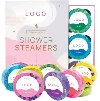

What Are Shower Steamers
The Difference Between Shower Steamers and Bath Bombs
If you've ever dropped a bath bomb into a tub, you know the drill - it fizzes, colors the water, maybe releases some moisturizing oils. Shower steamers work differently. They sit on the shower floor, away from the direct stream, and dissolve slowly as splashes of water hit them. The steam carries the essential oil fragrance upward, turning your shower into a makeshift aromatherapy bathroom experience.
Because they're not submerged, the formula is different too. You want less dramatic fizz and more sustained scent release. That's why homemade shower fizzies use slightly different ratios than bath bombs - more baking soda, a bit less citric acid, and a heavier hand with the essential oils.
Why DIY Shower Melts Beat Store-Bought Options
A six-pack of decent shower steamers runs $12–$20 online. Making them at home? You're looking at maybe $3–$4 for the same quantity once you have your base ingredients stocked. But cost isn't even the main reason I switched to DIY shower melts.
It's the ingredients. Flip over a commercial steamer package and you'll often see "fragrance" listed - which is a catch-all for synthetic scent compounds. Nothing necessarily wrong with that, but if you want actual aromatherapy benefits (not just a nice smell), you need real essential oils. Making your own means you control exactly what goes in, how strong the scent is, and what touches your skin.

Ingredients You'll Need
Baking Soda - The Base
Baking soda makes up the bulk of your steamer. When it meets citric acid and water, you get that carbon dioxide fizz that helps disperse the essential oils into the steam. The ratio between baking soda and citric acid matters more than you'd think. Too much baking soda and your tablets crumble apart. Too little and they won't activate properly on the shower floor.
The classic baking soda citric acid tablets use a 2:1 ratio. That's the sweet spot I keep coming back to after testing several variations.
Citric Acid - The Activator
Citric acid is what makes the fizz happen. You can find it in the canning section of most grocery stores, or order food-grade citric acid online for a few dollars per pound. Food-grade and cosmetic-grade are essentially the same purity for our purposes.
One tip: store it in an airtight container away from any moisture. Citric acid is hygroscopic - it pulls water from the air - and clumpy citric acid leads to uneven steamers.
Essential Oils - The Star of the Show
Not all essential oils perform equally in steam. You want oils with strong aromatic compounds that volatilize easily in heat. Eucalyptus, peppermint, and rosemary are workhorses here - they punch through steam beautifully. Lavender is a classic too, though it's subtler.
Quick clarification that trips people up: fragrance oils and essential oils are not the same thing. Fragrance oils are synthetic blends designed to smell nice. Essential oils are distilled from actual plants. For essential oils shower bombs with real aromatherapy potential, stick with the real thing. Check for a Latin botanical name on the bottle - that's usually a good sign.
Cornstarch & Binding Agents
Cornstarch serves a sneaky-important role. It slows down the fizzing reaction so your steamer doesn't dissolve in thirty seconds flat. Think of it as a time-release mechanism. I use about two tablespoons per batch.
For binding everything together, witch hazel is my go-to. Some people use water, but water triggers the fizz prematurely. Witch hazel adds just enough moisture to pack the molds without setting off the reaction. Kaolin clay is another optional addition - it helps the mixture hold shape and adds a silky texture.
The Basic Recipe - Step by Step
Measurements for One Batch (Makes 6–8 Steamers)
1 cup baking soda (220g)
½ cup citric acid (110g)
2 tablespoons cornstarch (16g)
2 tablespoons kaolin clay - optional (16g)
75–90 drops essential oil total (divided among steamers, roughly 12–15 per steamer)
Witch hazel in a spray bottle
Mixing Dry Ingredients
Combine baking soda, citric acid, cornstarch, and clay (if using) in a glass or ceramic bowl. Avoid metal bowls - citric acid can react with certain metals. Whisk or sift the mixture to break up any clumps. You want a completely uniform powder. Lumps of citric acid create weak spots that crack later.
Adding Essential Oils & Binder
Add your essential oils directly to the dry mixture and stir thoroughly. The powder will absorb them without triggering any fizz.
Now the tricky part: the witch hazel. Spritz it one or two pumps at a time, stirring between each spray. You're looking for a texture like damp sand - it should hold together when you squeeze a handful, but not feel wet. Usually 10–15 spritzes does it. Go slow. The moment you see fizzing, you've added too much too fast.
Molding & Drying
Pack the mixture firmly into silicone molds. Really press it down - timid packing leads to crumbly steamers. I use round silicone molds about 2 inches across. Anything larger takes forever to dry and tends to crack.
Let them dry 24–48 hours before unmolding. In humid climates, lean toward 48. The number one mistake I see people make is unmolding too early. If the steamer feels even slightly soft on the bottom, give it more time. Once they're fully hardened, pop them out gently.
Best Essential Oil Combinations for Shower Steamers
Energizing Morning Blends
Peppermint + Sweet Orange (equal parts) - The menthol in peppermint opens your airways while orange's limonene is bright and uplifting. Citrus top notes evaporate quickly, which actually works in your favor here - they release fast in steam and hit you immediately.
Rosemary + Lemon (60/40 ratio, heavier on rosemary) - Rosemary contains 1,8-cineole, the same compound that makes eucalyptus so invigorating. Paired with lemon, it's like a mental reset button.
Relaxing Evening Blends
Lavender + Cedarwood (70/30) - Lavender's linalool is well-studied for its calming properties. Cedarwood grounds it with a warm, woody base note that lingers in the steam longer than lavender alone.
Chamomile + Ylang-Ylang (50/50) - Floral and slightly sweet. Both oils are associated with reduced tension in aromatherapy practice. This one's best when you're winding down, not just going through the motions of a quick rinse.
Congestion-Relief Blends
Eucalyptus + Tea Tree + Peppermint (40/30/30) - This is the powerhouse trio. Eucalyptus and peppermint both contain compounds that feel like they clear your sinuses on contact, while tea tree adds an antimicrobial element. I keep a stash of these year-round - allergies, dry air, and random congestion don't follow a calendar.

Tips That Actually Make a Difference
Storage & Shelf Life
Store finished steamers in an airtight container or jar with a tight lid. A zip-lock bag works too - just squeeze out the air. Keep them away from your bathroom until you're ready to use one, because ambient shower moisture will slowly degrade them.
Realistically, expect peak scent for about 4–6 weeks. They'll still fizz after that, but the essential oils fade over time. Making smaller batches more frequently beats making a huge batch that goes stale.
How to Use Them Properly
Place the steamer on the shower floor where water splashes it indirectly - not directly under the stream. You want intermittent contact, not a full blast that dissolves it in two minutes. The corner of the shower or the edge near the drain works well.
Hotter water means more steam, which means better scent diffusion. If you shower lukewarm, the effect will be milder. Not a dealbreaker, just something to know.
Troubleshooting Common Failures
Crumbling apart: Not enough binder. Next time, add a few more spritzes of witch hazel or pack the molds more firmly.
Not fizzing in the shower: Either too little citric acid in the recipe, or the steamer isn't getting enough water contact. Nudge it slightly closer to the stream.
Scent too weak: You probably need more essential oil. Twelve drops per steamer is a minimum - some oils (like lavender) are naturally softer and need 15–18 drops to really come through in steam.
Safety Notes You Shouldn't Skip
Essential Oil Sensitivities
Essential oils are concentrated plant compounds. Some people react to certain oils on skin contact - cinnamon, clove, and lemongrass are common irritants. If you have sensitive skin, do a patch test with any new oil before making a full batch. Pregnant or nursing? Check with your doctor before using rosemary, clary sage, or peppermint oils, as some have contraindications.
Slippery Surfaces
Here's something most recipe posts don't mention: dissolved steamer residue plus wet tile equals a slip hazard. The oils create a thin film on the shower floor. Place your steamer in a mesh bag or a small dish in the corner to contain the residue, and rinse the floor after your shower. It takes five seconds and saves you from a potential fall.
FAQ
Can I use fragrance oils instead of essential oils?
You can, and they'll smell great - often even stronger than essential oils. The trade-off is you lose any therapeutic aromatherapy benefit. Fragrance oils are designed for scent only. If you just want your shower to smell like fresh linen or birthday cake (scents that don't exist as essential oils), fragrance oils are your only option. Just make sure they're skin-safe grade.
Why did my shower steamers expand or crack while drying?
This usually means too much liquid binder was added, or your environment is humid. The mixture starts reacting slowly and produces gas, which expands the steamer from inside. Fix: use less witch hazel next time, and dry them in a low-humidity room (not your bathroom). Running a fan nearby helps too.
How many drops of essential oil per steamer?
A good starting point is 12–15 drops per steamer. But oil potency varies - peppermint and eucalyptus are strong at 10 drops, while lavender and chamomile might need 15–18 to really come through. Start in the middle and adjust based on your nose.
Do shower steamers work in low-pressure showers?
They do, but you might need to help them along. Try placing the steamer closer to the water stream so it gets more direct splashes. You can also cup a little water in your hand and pour it over the steamer periodically. Closing the bathroom door and letting steam build up makes a noticeable difference too.
Are these safe for septic systems?
Yes. Baking soda and citric acid are both septic-safe in the small amounts we're talking about here. Baking soda is actually sometimes used to maintain septic pH balance. The essential oils are present in such tiny quantities that they won't disrupt bacterial activity in your tank.