

Soap is one of the most established categories in personal care, but the brands that continue to stand out rarely compete on cleansing alone. Some build their identity around gentle skin care, others around natural ingredients, fragrance, heritage, dermatological positioning or distinctive packaging.
For retailers and consumers, comparing established soap brands helps explain what makes a product memorable. For new brand owners, the same comparison can reveal something more useful: how successful brands turn a relatively simple product format into a recognizable market position.
This guide looks at 10 well-known soap brands in 2026, the product qualities they are associated with, and the practical lessons private label brands can take from their positioning.
Quick Comparison of 10 Leading Soap Brands
| Brand | Market Position | Known For | Key Lesson for New Brands |
|---|---|---|---|
| Dove | Mass-market skincare | Moisturizing beauty bars | Build around one clear consumer promise |
| Dr. Bronner's | Natural / ethical | Castile soap | Ingredient philosophy can define a brand |
| L'Occitane | Premium | Botanical and sensory products | Fragrance and presentation support premium pricing |
| Cetaphil | Dermatological | Gentle cleansing | Solve a clearly defined skin need |
| Pears | Heritage mass market | Transparent glycerin bar | A distinctive format improves recognition |
| Yardley London | Heritage / fragrance | Floral soaps | Fragrance can become a brand signature |
| Nesti Dante | Artisan premium | Decorative plant-based soaps | Product design can add gifting value |
| The Body Shop | Ethical beauty | Botanical positioning | Values can strengthen product identity |
| Bioderma | Dermatological | Soap-free cleansing bars | Expertise builds trust |
| Dial | Functional mass market | Antibacterial bar soap | Functional benefit can create category ownership |

How We Selected These Soap Brands
This list is not intended as a simple sales ranking. The brands were selected to represent different ways soap products compete in the market, including mass-market skin care, natural and ethical positioning, fragrance-led premium products, dermatological cleansing and functional soap formats.
We considered factors such as product recognition, positioning, formulation concept, market longevity, visual identity and the ability of each brand to maintain a distinctive place within a crowded category.
For brand owners, the goal is not to copy these companies. It is to understand why consumers remember them and how those lessons can be translated into a differentiated private label product.
Brand owners moving from market research to product development can also explore our private label handmade soap manufacturing capabilities, including formula, fragrance, shape and packaging customization.

Top 10 Best Soap Brands
1. Dove (Unilever) – United Kingdom
Founded: 1957
Known For: Moisturizing beauty bar soaps infused with ¼ moisturizing cream
Dove is a household name in over 150 countries, recognized for its gentle, skin-loving formulations. Their signature beauty bar is especially popular among users with dry or sensitive skin. Dermatologically approved and widely accessible, Dove has become synonymous with everyday skin care.
Strengths: Mass-market appeal, brand trust, wide distribution
OEM/ODM: ❌ Not available
Best For: Importers & distributors of global personal care brands
2. Dr. Bronner's – United States
Founded: 1948
Known For: Certified organic Castile soap for multi-purpose use
Dr. Bronner's is the gold standard for natural, ethical soapmaking. Their Castile soaps are biodegradable, vegan, and made with certified organic oils. One bottle can be used to clean your face, body, dishes-or even pets. It's a favorite for eco-conscious consumers and niche health stores.
Strengths: USDA Organic, Fair Trade, cruelty-free, biodegradable
OEM/ODM: ❌ No
Best For: Green retailers and zero-waste stores
3. L'Occitane en Provence – France
Founded: 1976
Known For: Luxurious, artisan soaps with botanical extracts from Provence
L'Occitane blends nature and luxury. Their bar soaps are traditionally French-milled for a dense, creamy lather and infused with shea butter and essential oils. Though they don't offer OEM services, their products have become retail favorites and are often featured in curated spa sets.
Strengths: Premium image, eco-friendly packaging, sensory appeal
OEM/ODM: ❌ No
Best For: Gift shops, spas, and high-end retailers
4. Cetaphil – Canada (Owned by Galderma)
Founded: 1947
Known For: Gentle cleansing bars for sensitive and medical skin conditions
Formulated by dermatologists, Cetaphil is trusted by clinics and hospitals worldwide. Their non-soap cleansing bar helps maintain the skin's natural moisture barrier, making it ideal for people with eczema, acne, or allergies.
Strengths: Medical-grade, pH balanced, fragrance-free
OEM/ODM: ❌ No
Best For: Pharmacies, clinics, and skincare retailers
5. Pears – India (Unilever brand)
Founded: 1807
Known For: Iconic transparent glycerin-based soap
Pears is one of the oldest soap brands still in production. Its clear, gentle formulation with glycerin is highly moisturizing and visually distinctive. The brand appeals to consumers looking for affordable, traditional, and mild cleansing options.
Strengths: Legacy branding, high affordability, mass production
OEM/ODM: ❌ No
Best For: Large-volume wholesalers in budget retail
6. Yardley London – United Kingdom
Founded: 1770
Known For: English floral-scented soaps with luxurious appeal
With over 250 years of history, Yardley London is an iconic British brand associated with timeless elegance. Their bar soaps, often scented with lavender, rose, or jasmine, are popular as personal care gifts and hotel amenities.
Strengths: Heritage value, premium packaging, consistent quality
OEM/ODM: ❌ No
Best For: Boutiques and mid-premium retail channels
7. Nesti Dante – Italy
Founded: 1945
Known For: Handcrafted, plant-based soaps with artistic designs
Each bar of Nesti Dante soap is a small work of art. Produced in Florence using traditional methods and natural ingredients, these soaps appeal to luxury-conscious customers who appreciate aesthetics, ethics, and craftsmanship.
Strengths: Vegan, artisan-crafted, luxurious presentation
OEM/ODM: Limited
Best For: Premium gift stores and curated skincare retailers
8. The Body Shop – United Kingdom
Founded: 1976
Known For: Fair Trade, cruelty-free soaps with natural botanicals
A pioneer in ethical beauty, The Body Shop offers bar soaps made from sustainably sourced ingredients such as tea tree oil and shea butter. While OEM is not their model, the brand has inspired many private label initiatives with a similar ethos.
Strengths: Ethical sourcing, environmental responsibility
OEM/ODM: ❌ No
Best For: Green and socially responsible markets
9. Bioderma – France
Founded: 1977
Known For: Soap-free dermatological cleansing bars
Part of the NAOS group, Bioderma's cleansing bars are backed by skin biology research and prescribed by dermatologists worldwide. Their products target specific concerns, such as acne-prone or hyper-sensitive skin.
Strengths: Scientific formulation, medical-grade certifications
OEM/ODM: ❌ No
Best For: Hospitals, clinics, and pharmaceutical suppliers
10. Dial – United States
Known For: Functional and antibacterial bar soaps
Dial has maintained a strong position around antibacterial cleansing and continues to offer a dedicated range of antibacterial bar soaps in several formats and fragrance profiles.
What new brands can learn: Functional products can build strong category recognition when the primary benefit is simple, visible and consistently communicated.
Strengths: Strong functional positioning, mass-market recognition, wide retail presence
OEM/ODM: ❌ Not available
Best For: Retailers and consumers looking for functional everyday cleansing products
What Successful Soap Brands Have in Common
The brands above look very different, but the strongest examples share one characteristic: consumers can quickly understand what each brand stands for.
Dove is closely associated with moisturizing care. Dr. Bronner's connects soap with natural ingredients and a recognizable philosophy. L'Occitane turns cleansing into a premium sensory experience, while brands such as Cetaphil and Bioderma compete through skin-focused expertise.
For a new soap brand, this is often more important than simply adding more ingredients or more SKUs.
Before developing a product, decide what the consumer should remember first:
Is the product natural, functional, premium, fragrance-led, giftable, sensitive-skin focused, or built around a specific hero ingredient?
Once that positioning is clear, formulation, fragrance, color, shape and packaging can work together instead of competing for attention.
From Leading Soap Brands to Your Own Private Label Soap Line
Established soap brands provide useful inspiration, but private label brands do not need to imitate them.
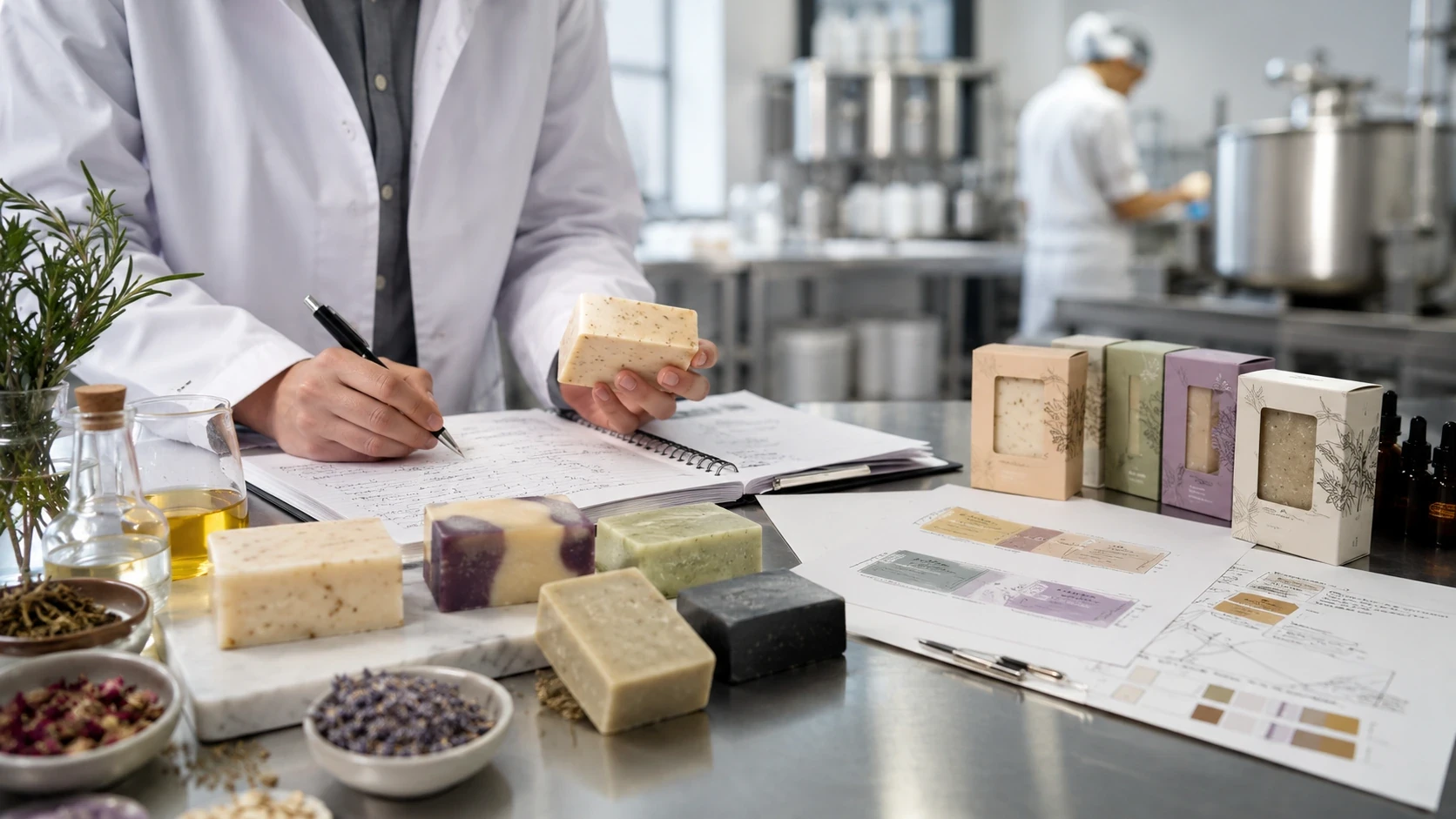
A better starting point is to identify the market position you want to own and then develop a product around it.
For example, a natural beauty brand may prioritize plant oils, botanical extracts and minimal packaging. A spa brand may care more about fragrance, lather and presentation. A functional skincare line may start with a hero ingredient or a clearly defined cleansing need.
At this stage, the role of a manufacturing partner becomes much more important. Formula options, bar hardness, fragrance retention, color stability, stamping, packaging and production consistency all affect whether a concept can move successfully from a sample to commercial production.
Which Type of Soap Line Fits Your Brand?
Natural & Botanical Soap
Suitable for brands focusing on plant-based positioning, botanical ingredients, simple formulations or clean-beauty concepts.
Functional Soap Bars
Functional bars may be built around recognizable ingredients or product concepts, such as kojic acid, turmeric, exfoliating formats or other targeted formulations.
Premium Scented & Gift Soap
For spa, hotel, boutique and lifestyle brands, fragrance selection, visual design and packaging often play a larger role in perceived value.
Solid Hair Care
Brands interested in expanding beyond traditional body soap can also use solid-format manufacturing experience to develop shampoo and conditioner bars.
What Should Brand Owners Look for in a Soap Manufacturer?
Choosing a manufacturer is different from choosing a finished soap brand. For private label projects, the most important question is whether the supplier can translate a product concept into a formula and production system that remains consistent at commercial scale.
Start with formulation capability. A manufacturer should be able to explain what can realistically be customized, from soap base selection and active ingredients to fragrance, color, bar shape and product performance.
Sampling is equally important. A good development process gives the brand an opportunity to evaluate lather, skin feel, fragrance strength, appearance and packaging before confirming production.
MOQ and production scale should also match the stage of the brand. A startup testing its first market does not have the same requirements as an established retailer planning multiple SKUs.
Finally, discuss packaging, documentation and target-market requirements early. These details are easier to manage during product development than after the formula and packaging have already been finalized.
Brands that need a broader view of product development, sampling, quality control and commercial production can also review our OEM contract manufacturing process.
Developing a Private Label Soap Line with Poleview
Poleview Biotechnology Co., Ltd. has been manufacturing personal-care products since 1995 and provides private label and OEM/ODM support for soap brands developing custom bar products. Its current handmade-soap manufacturing platform covers formula customization, fragrances, colors, shapes, packaging and commercial production.
For brands, the development process can begin with an existing formulation or a more customized concept depending on target positioning, order requirements and launch plans.
Rather than copying an established soap brand, the objective is to build a product with its own reason to exist-whether that is a distinctive ingredient story, sensory experience, functional benefit or retail presentation.
Explore Private Label Soap Manufacturing
FAQ
Q: 1. What makes a good soap brand?
A: Strong soap brands usually combine a clear consumer benefit with consistent formulation, sensory experience, product design and positioning. The best strategy depends on the intended audience rather than one universal formula.
Q: 2. Can I create my own private label soap brand?
A: Yes. Private label soap manufacturers can support brands with existing formulas or customized concepts, including ingredients, fragrance, color, shape, stamping and packaging.
Q: 3. What should I consider before choosing a soap manufacturer?
A: Consider formulation capability, sampling, MOQ, production consistency, packaging support, documentation and experience supplying the markets where you plan to sell.
Q: 4. What types of soap can be developed for private label?
A: Common options include natural soap bars, glycerin soaps, botanical soaps, functional bars, exfoliating soaps, scented products and various custom shapes and packaging formats.