
Stress-related hair loss, thinning hair, and pattern baldness are all common problems. A lot of individuals are increasingly interested in natural, non-invasive treatments like hair oils that feed the scalp, strengthen the strands, and encourage growth without using harsh chemicals or procedures.
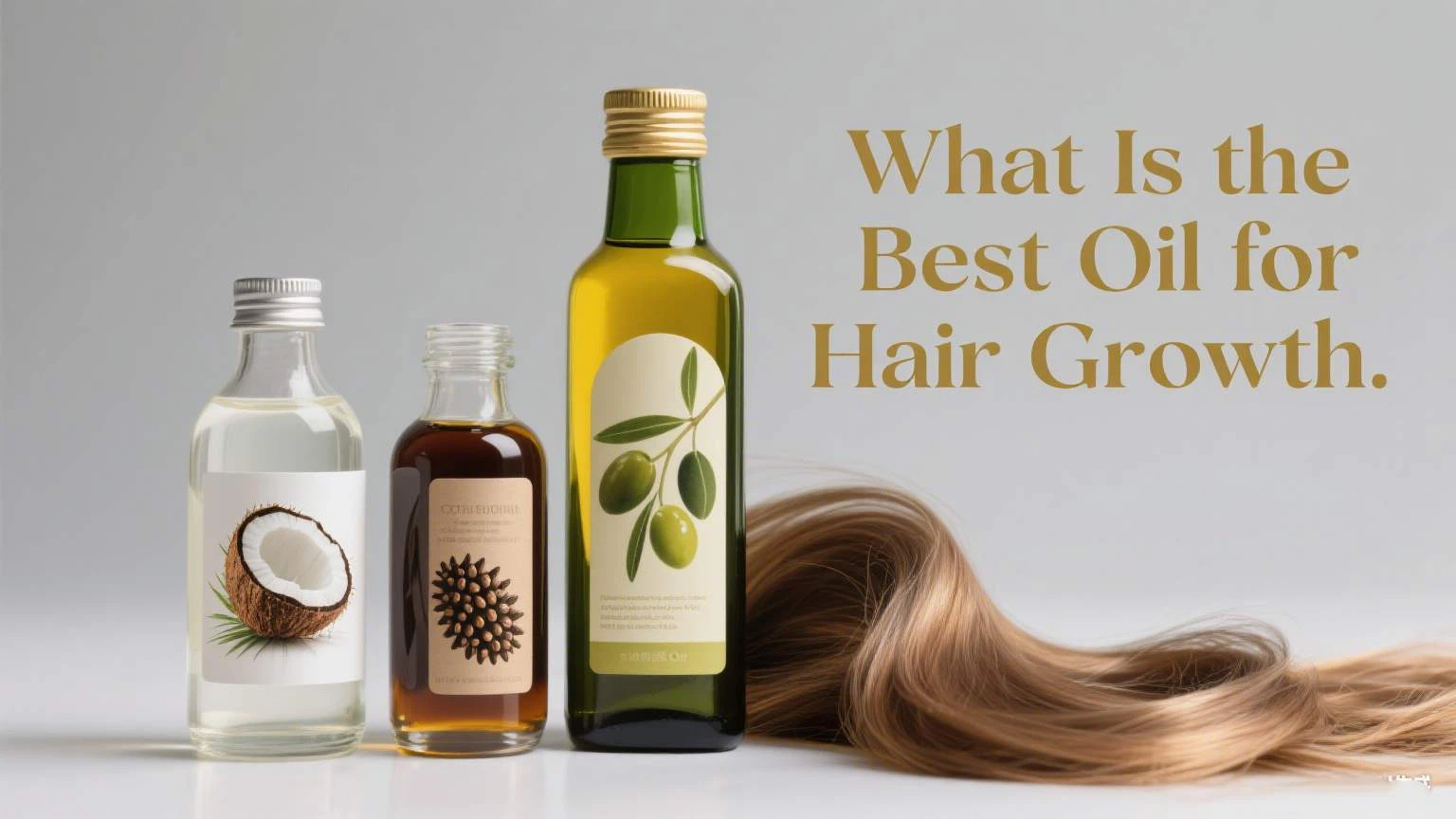
How Hair Growth Oils Work: The Science Behind It
There are a few ways that hair growth oils work:
- Essential fatty acids and vitamins, especially vitamin E, help the scalp repair and get stronger.
- Better blood flow helps follicles work and get nutrients.
- Anti-inflammatory and antibacterial effects help with dandruff and irritation of the follicles.
- Keratin augmentation makes hair look fuller by reducing breakage.
Top 10 Expert-Recommended Hair Growth Oils
- Castor Oil – High in ricinoleic acid; thickens and boosts density.
- Coconut Oil – Penetrates deeply, reduces protein loss.
- Rosemary Oil – Comparable to minoxidil in some studies
- Argan Oil – Rich in vitamin E; great for repairing damage.
- Jojoba Oil – Sebum-like; balances scalp oil production.
- Peppermint Oil – Stimulates circulation and gives a fresh tingle.
- Tea Tree Oil – Disinfects and clears clogged pores.
- Onion Oil – Sulfur benefits support regrowth.
- Black Seed Oil – Anti-inflammatory, supportive of scalp health.
- Amla Oil – Ayurvedic favorite for follicle nourishment.
Best Oils by Hair Type and Goals
| Hair Type / Goal | Recommended Oils |
|---|---|
| Thinning / Balding | Castor, Rosemary, Black Seed |
| Dry / Damaged | Coconut, Argan, Amla |
| Oily Scalp / Dandruff | Tea Tree, Jojoba, Peppermint |
| Curly / Coily Hair | Castor, Amla, Argan |
| Sensitive / Itchy Scalp | Jojoba, Tea Tree, Black Seed |
How to Use Hair Oils for Maximum Growth
- Hot-Oil Treatment for the Scalp Massage helps with absorption.
- Use it two to three times a week, and leave it on for one to four hours or overnight (with protection).
- Mix essential oils like peppermint and rosemary with carrier oils.
- To avoid accumulation, make sure to clean up well after each session.
- You could want to think about using a derma-roller or scalp massager to help the oil go in better.
Common Mistakes to Avoid
- Overusing oil leading to clogged follicles
- Not washing oil out properly
- Mixing oils poorly, causing irritation
- Choosing synthetic or impure formulas
- Skipping patch tests on sensitive skin
Amazon's Top 5 Hair Growth Oils
| Product Name | Key Ingredients | Rating | Price | Est. Monthly Sales |
|---|---|---|---|---|
| Mielle Rosemary Mint Strengthening Oil | rosemary + biotin | 4.8★ (96k+) people.com+7mielleorganics.com+7amazon.com+7mielleorganics.com | ~$10–13 | 70,000+ |
| Kate Blanc Castor Oil | cold-pressed castor | 4.7★ (117k) | ~$10 | 60,000+ |
| Wild Growth Hair Oil | coconut, jojoba, olive blends | 4.5★ (82k) | ~$9 | 45,000+ |
| PURA D'OR Organic Argan Oil | cold-pressed argan | 4.7★ (21k) | ~$14–18 | 20,000+ |
| Cliganic Jojoba Oil (4 oz) | 100% organic jojoba | 4.7★ (80k) | ~$10 | 18,000+ |
These oils include popular, well-reviewed, and highly rated oils including rosemary, castor, argan, and jojoba. They assist people choose the oils that are best for them and their budget.
Expert Picks: Best Oils by Hair Type
| Hair Type / Goal | Best Amazon Pick |
|---|---|
| Scalp stimulation | Mielle Rosemary Mint Strengthening Oil – blood flow support, minty feel |
| Thickening & density | Kate Blanc Castor Oil – cold-pressed purity |
| All-around nourishment | Wild Growth Hair Oil – multi-oil blend |
| Damage repair & shine | PURA D'OR Argan Oil – lightweight vitamin-E |
| Scalp balance | Cliganic Jojoba Oil – non-comedogenic moisturizing |
Conclusion: Choosing the Best Oil for Your Hair
- Choose the right oil for your needs: for your scalp or for your strands, for dry or sensitive skin.
- Think about how consistent and smelly you want it to be.
- Always pick dark bottles with organic, cold-pressed formulations.
- Do a patch test and add oils slowly.
Use one oil you know works for you first, like rosemary for scalp stimulation or castor for thickness, and keep track of how it works for 2–3 months. Mixing oils or using different oils over time may make the effects stronger.
FAQ
Q: Do hair oils really help hair grow back?
A: Yes, several natural oils, like rosemary, castor, and peppermint oil, have been proved to help hair follicles grow, enhance blood flow, and support healthy regrowth, especially when taken regularly for a few weeks. But the effects are different depending on what caused the hair loss in the first place.
Q: Is coconut oil or castor oil better for hair growth?
A: Castor oil is better for making hair thicker and growing it back, especially in places where it is thinning.
Coconut oil is better at hydrating, preventing hair from breaking, and feeding hair that is already damaged.
You can also mix them together to obtain the best of both worlds.
Q: How long does it take for hair oils to work?
A: After using it regularly for 6 to 8 weeks (2 to 3 times a week), most people start to experience real changes, such less shedding or new baby hairs. But depending on the type and condition of your hair, full regrowth cycles might take anywhere from three to six months.
Q: Is it okay to leave hair oil in overnight?
A: Yes. Overnight oiling lets the product go deeper and be absorbed better. Just make sure to:
Put a towel over your pillow or use a hair wrap.
The next morning, wash it well with a mild shampoo.
Q: What kind of oil makes hair grow faster?
A: Clinical studies show that rosemary oil is one of the best essential oils for speeding up hair development. Adding carrier oils like jojoba or castor to it makes it work better and lessens discomfort.
Q: Is it okay to use hair oils if my scalp is oily?
A: Yes, for sure. Jojoba oil and other oils like it are similar to natural sebum and help keep oil production in check. Tea tree oil also cleans and refreshes greasy or acne-prone scalps without blocking pores.
Q: Is it safe to blend various oils together?
A: Yes. Mixing oils, like castor and peppermint or argan and rosemary, can make them work better. Just make sure you mix the essential oils with the carrier oil correctly, usually 2 to 3 drops per tablespoon.