
I spent years thinking my skin was just "difficult." Dry patches on my arms, tightness after every shower, occasional redness that seemed to come from nowhere. Turns out, the problem wasn't my skin. It was what I was washing it with.
Switching to a genuinely mild soap changed things pretty quickly. But here's the catch - figuring out what actually counts as "mild" took some digging. Let me save you the trouble.
Understanding Mild Soap: More Than Just a Marketing Label
What Actually Makes a Soap "Mild"?
A mild soap isn't just a regular bar with softer packaging. It's defined by specific characteristics: low alkalinity, minimal chemical additives, and a pH balanced soap formulation that sits closer to your skin's natural pH - somewhere around 4.5 to 5.5.
Traditional soap bars? They typically land at a pH of 9 or 10. That's a big gap. Your skin notices, even if you don't immediately connect the dots.
Not every product slapping "gentle" on the label actually qualifies. That word isn't regulated the way you'd hope. Plenty of so-called gentle cleansers still contain ingredients that compromise your skin barrier over time.
The Chemistry Behind Gentleness
Without getting into a full chemistry lecture - mild soaps rely on surfactants that clean without waging war on your skin. Think sodium cocoyl isethionate or cocamidopropyl betaine. These come from coconut oil and other plant sources. They lift dirt and oil effectively without the aggressive stripping action of harsher detergents like sodium lauryl sulfate.
Why does this matter? Your skin has a lipid barrier - a thin protective layer of natural oils that keeps moisture in and irritants out. Harsh surfactants dissolve that layer. Milder ones work around it. The difference shows up as less tightness, less flaking, less of that "squeaky clean" feeling that actually signals damage.
Mild Soap vs. Regular Soap vs. Body Wash - What's the Difference?
Regular soap is made through saponification - fats react with lye, producing a high-pH bar that cleans aggressively. It works. It's just not gentle.
Body washes are liquid cleansers that vary wildly in formulation. Some are genuinely mild. Others are loaded with sulfates and synthetic fragrance despite marketing themselves as a gentle cleanser option. You really have to read the back of the bottle.
Mild soap occupies a middle ground. It can be a bar or a liquid, but its defining feature is a skin-friendly pH and the absence of common irritants. It cleans without punishing your skin for the privilege.
Key Benefits of Using Mild Soap
Protects Your Skin's Natural Moisture Barrier
Over-cleansing is one of those problems people don't realize they have. Strip away too much of your skin's natural oil, and it responds by either overproducing sebum or becoming chronically dry. Neither outcome is great.
A gentle cleanser preserves that lipid layer instead of destroying it with every wash. You get clean skin that still feels comfortable - not tight, not waxy. Just normal.
Ideal for Sensitive Skin and Reactive Conditions
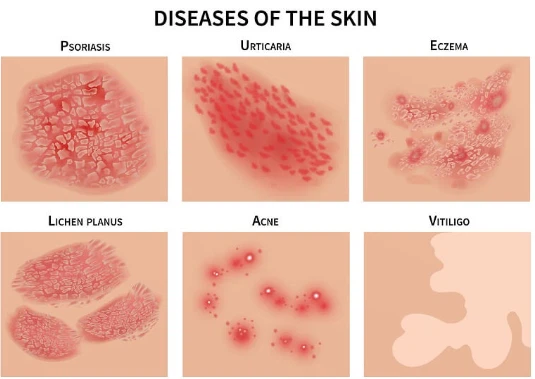
If you deal with eczema, rosacea, or contact dermatitis, your dermatologist has probably told you to simplify your routine. That advice almost always starts with switching to a fragrance-free soap with minimal additives.
Sensitive skin care doesn't need to be complicated. The simpler your products, the fewer variables there are to trigger a flare-up. Mild soap fits that philosophy perfectly - it does one job (cleaning) without introducing a dozen potential irritants.
Safe for All Ages - From Babies to Elderly Skin
Pediatricians recommend mild soap for infants because baby skin is thinner and absorbs chemicals more readily. The skin barrier isn't fully developed yet, so anything harsh gets through more easily.
On the other end of the spectrum, aging skin becomes thinner and drier. Geriatric care specialists often suggest the same switch. When your barrier is compromised - whether because it hasn't matured or because it's thinning with age - low-irritation formulas make a real difference.
Fewer Allergens and Irritants
Synthetic dyes, fragrance compounds, preservatives like parabens - these are all common triggers for allergic reactions. Mild soap formulations typically skip them entirely.
There's been growing consumer demand for transparency in natural soap ingredients, and for good reason. People want to know what they're putting on their skin daily. Fewer ingredients generally means fewer chances for something to go wrong.
Environmentally Friendlier
I'll be careful not to overpromise here. But many mild soap formulations use biodegradable ingredients and simpler chemical profiles than their conventional counterparts. What's milder for your skin tends to be milder for waterways too.
It's not a guaranteed eco-credential, but it's a reasonable trend. Simpler formulas break down more readily in the environment.
Common Uses of Mild Soap
Daily Facial Cleansing
Here's something most people get wrong: clean skin doesn't need to feel "squeaky." That sensation means you've stripped your face of its protective oils. Dermatologists increasingly recommend mild soap for daily face washing over aggressive acne-targeted cleansers that over-dry and trigger rebound oiliness.
If your face feels tight after washing, your cleanser is too harsh. It's that straightforward.
Whole-Body Hygiene for Sensitive Skin
Dry patches on your shins, flakiness on your upper arms, itchiness after showering - all of these can improve when you swap your body cleanser. Use mild soap as a full-body option, focusing on areas that actually get dirty (underarms, groin, feet) and letting water handle the rest.
You don't need to lather every square inch of skin daily. Your forearms didn't get that dirty sitting at a desk.
Baby and Infant Bathing
Parents reach for mild soap because babies have a higher surface-area-to-body-weight ratio, meaning they absorb more of whatever touches their skin. Their immune systems are still developing. Their skin barrier is genuinely fragile.
On labels, look for short ingredient lists, no fragrance (not even "natural" fragrance), and ideally a stated pH close to 5.5.
Post-Procedure and Wound-Adjacent Cleansing
After surgery, laser treatments, tattoos, or chemical peels, your skin is healing. Surgeons and dermatologists almost universally recommend cleaning the surrounding area with mild soap - nothing antibacterial, nothing fragranced, nothing with active exfoliants.
The goal is removing potential contaminants without disrupting the healing process. A non-irritating formula supports recovery rather than interfering with it.
Washing Delicate Fabrics and Household Items
This one surprises people. Mild soap - especially castile soap - works well for hand-washing lingerie, silk garments, makeup brushes, and even certain jewelry. The same gentleness that protects skin also protects delicate fibers and finishes.
That practical, everyday versatility makes keeping a bottle around worth it beyond the bathroom.
How to Identify a Truly Mild Soap
What to Look For on the Ingredients List
Here's a quick mental checklist when you're standing in the store:
No SLS (sodium lauryl sulfate) or SLES (sodium laureth sulfate)
No synthetic fragrance or "parfum" listed
No parabens (methylparaben, propylparaben, etc.)
Short ingredient list - under 10 ingredients is a good sign
Plant-derived surfactants like sodium cocoyl isethionate
One important distinction: "unscented" and "fragrance-free" are not the same thing. "Unscented" products may contain masking fragrances to neutralize odor. "Fragrance-free" means no fragrance compounds were added at all. Go fragrance-free.
Red Flags That a "Gentle" Product Isn't Actually Mild
Watch for hidden fragrance listed under "parfum" - a catch-all term that can hide dozens of chemical compounds. Misleading botanical imagery on packaging means nothing if the actual formula is full of synthetics.
"Dermatologist tested" sounds reassuring but has no standardized meaning. It could mean one dermatologist looked at it once. Be a skeptical shopper. Flip the bottle over. The front is marketing; the back is information.
Trusted Formulation Styles to Consider
Castile soap - made from plant oils (traditionally olive oil). Very simple, biodegradable, versatile. Can be slightly drying for some people because it's a true soap with higher pH.
Glycerin-based bars - humectant-rich, transparent bars that attract moisture to skin. Good for dry skin types. They dissolve faster in the shower, though.
Syndet bars - "synthetic detergent" sounds scary, but these are actually formulated to match skin's pH more closely than traditional soap. Many dermatologists consider them the mildest option available. The name is misleading; the performance is solid.
FAQ
Q: Can Mild Soap Effectively Remove Dirt And Bacteria?
A: Yes. This is probably the biggest misconception out there. Gentle doesn't mean weak. The surfactants in mild soap still bind to dirt, oil, and microbes - they just do it without stripping everything away. Mechanical action (rubbing your hands together for 20 seconds) does most of the heavy lifting. The soap helps lift and rinse contaminants away. It works.
Q: Is Mild Soap The Same As Antibacterial Soap?
A: No, and this matters. Mild soap cleans through surfactant action - it loosens grime so water can carry it off. Antibacterial soap contains active antimicrobial agents like benzalkonium chloride or triclosan that kill bacteria on contact. Those agents can irritate sensitive skin and aren't necessary for everyday hygiene. The FDA has actually questioned whether antibacterial soaps offer meaningful benefits over regular soap for general consumers.
Q: Can I Use Mild Soap If I Have Oily Or Acne-Prone Skin?
A: Counterintuitively, yes. Strip oil too aggressively and your skin often responds by producing even more sebum - the classic rebound effect. A pH balanced soap approach can actually help oily skin normalize its oil production over time. You might go through a short adjustment period. But many people find their skin becomes less oily, not more, after switching.
Q: How Often Should I Use Mild Soap?
A: Daily is fine for most people. But even mild soap doesn't need to touch every body part at every shower. Focus on areas that accumulate sweat, bacteria, and odor - let plain water handle the rest. Listen to your skin. If an area feels dry or irritated, you might be over-washing it regardless of how gentle your product is.
Q: Does Mild Soap Expire?
A: Bar soaps generally last 2 to 3 years. They may lose fragrance or change color over time, but they remain effective. Liquid mild soaps - especially preservative-free formulations - have shorter shelf lives, often 6 to 12 months after opening. Store bars in a dry place between uses (a draining soap dish helps). Keep liquids away from direct sunlight and humidity.