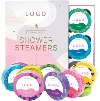

If you've ever stood at the bathroom door pleading with a small human who absolutely refuses to get in the tub, you're not alone. Bath time can feel like negotiating a tiny hostage situation, every single night.
That's exactly why a lot of parents have started reaching for a clever little trick: bath bombs with a hidden toy tucked inside. They fizz, they swirl with color, and then, like magic, a tiny treasure pops out. Here's the honest, no-fluff guide to what they are, whether they're safe, and how to pick a good one.
What Are Bath Bombs With Toys Inside, Anyway?
At their simplest, these are surprise toy bath bombs for kids. You drop one into the water, it starts to bubble and dissolve, and somewhere in the middle there's a small figure waiting to be discovered.
Think of it as part bubble bath, part treasure hunt. The bath bomb does the fizzing and coloring, while the toy gives your child a reason to actually want to climb in.
How They Actually Work in the Water
The fizz comes down to a bit of kitchen-counter chemistry. Bath bombs are made mostly from baking soda and citric acid, which sit quietly together while dry.
The moment they hit water, those two ingredients react and release carbon dioxide. That's the fizzing you see and hear, the same kind of reaction you'd get if you mixed baking soda with lemon juice in a glass.
As the ball slowly breaks apart, the colors spread and the toy works its way free. Nothing dramatic, just a fun little science show happening in the bathtub.
The "Surprise Reveal" Moment
Here's the real hook, though. It's not the fizz. It's the wait.
Kids will sit there, eyes glued to the water, waiting for the toy to show itself. It feels a lot like unwrapping a small gift, except it stretches out over a minute or two of bubbling anticipation.
That slow reveal turns an ordinary bath into a tiny event. And for a child, anticipation is half the fun.
Why Parents Are Reaching for Fizzy Bath Bombs With Hidden Toys
Let's be real about the appeal. Most parents aren't buying these because they're fancy, they're buying them because they work.
Fizzy bath bombs with hidden toys take a daily chore and quietly turn it into something kids look forward to. No big promises here, just a small shift in mood that makes the whole routine smoother.
Turning Bath Refusal Into Bath Excitement
Picture the usual scene. It's 7 p.m., everyone's tired, and your kid has suddenly decided that water is the enemy.
Now picture the same moment with a fizzy ball in hand. Instead of "I don't want a bath," you get "which one can I use tonight?" That little change in framing can save you a meltdown.
It works because the focus moves off the bath itself and onto the surprise. Bath time fun for children often comes down to giving them something to be curious about.
A Low-Cost Reward and Routine Builder
Plenty of parents use these as a reward rather than a daily thing. They're handy for potty-training wins, brave trips to the dentist, or just a rough day that needs a small pick-me-up.
Others use them as a routine anchor, like a once-a-week "bath bomb night" the kids can count on. Either way, they don't have to break the bank, and a single pack usually lasts a while.
Are They Safe? What Every Parent Should Check
This is the part most articles rush past, and it's honestly the part that matters most. A toy in a bath bomb is only a good idea if both the fizzer and the figure are made with kids in mind.
So before you toss one in the cart, here's what's worth a closer look.

Reading the Label: Safe Ingredients for Kids Bath Bombs
Start with the ingredient list. The best safe ingredients for kids bath bombs are simple and gentle, often built around baking soda, citric acid, and a mild oil to soften the water.
Be a little cautious with heavy fragrances and bright artificial dyes, especially if your child has sensitive skin. Strong perfumes and certain colorings are common triggers for irritation.
If your little one deals with eczema or reacts to new products easily, look for fragrance-free or "for sensitive skin" labels. When in doubt, fewer ingredients is usually the safer bet.
The Toy Itself: Choking Hazards and Age Ratings
The hidden toy deserves just as much attention as the bath bomb. Small parts and tiny figures can be a choking hazard for younger children, full stop.
Always check the age recommendation on the packaging, and take it seriously rather than treating it as a suggestion. For toddlers and babies, close supervision isn't optional.
One genuinely helpful trend lately: through 2025 and into 2026, major retailers have leaned harder on clear, visible age labeling for these products. That makes it easier to spot at a glance whether something suits a 3-year-old or a 7-year-old, so use that label.
Skin, Eyes, and Tub Stains
Now for the honest stuff nobody mentions on the box. Colorful kids bath fizzers can sometimes tint the water enough to leave a faint mark on skin or the tub.
Most rinse away with a quick clean, but darker dyes can occasionally cling to grout or a plastic tub. A simple wipe-down right after draining usually handles it.
Keep an eye out for the eyes, too. Fizzy water isn't meant to be splashed into faces, so a quick rinse with clean water after the bath keeps things comfortable.
How to Choose the Right One for Your Child
Once safety's covered, the rest is about matching the product to your actual kid. Here's how I'd think about it, parent to parent.
Matching the Toy to Your Kid's Interests
The toy theme makes or breaks the excitement. A dinosaur-obsessed kid will lose their mind over a hidden T-rex, while a mermaid fan wants something sparkly and ocean-themed.
Vehicles, animals, fairies, superheroes, you name it, there's a version of it. Picking a theme your child already loves turns a nice surprise into a genuine thrill.
Quality Signs Worth Paying For
Not all of these are made equal, and a cheap one can be a fizzy disappointment. A good bath bomb dissolves cleanly without leaving a gritty mess all over the tub.
Watch out for ones that crumble the moment you unwrap them, that's a sign of poor quality control. Buying from a reputable seller with real reviews and clear ingredient info is worth the extra dollar or two.
Can You Make Your Own at Home?
For families who love a hands-on project, yes, you can absolutely make these at home. It's a fun weekend activity, and the kids can help with the easy parts.
A Simple Starter Approach
The basic recipe uses baking soda, citric acid, a little oil, and a touch of water to bind it all together. You pack the mix into a mold, tuck a small toy in the center, and let it dry.
Just remember that homemade doesn't mean rules-free. The same safety checks apply, so use a child-safe toy that isn't a choking risk, skip the harsh dyes, and supervise just as you would with a store-bought one.
Frequently Asked Questions
Q: At What Age Can Kids Use Bath Bombs With Toys Inside?
A: Most are aimed at children around 3 and up, mainly because of the small toy inside. Always go by the age label on the package, and supervise younger kids closely so the toy stays in the tub and out of mouths.
Q: Are The Hidden Toys Reusable?
A: Yes, most of them are. Once the bath bomb dissolves, you've got a little figure your child can keep and play with again. Give it a quick rinse and wipe before it joins the toy box to keep things clean.
Q: Do These Bath Bombs Stain The Tub Or Skin?
A: Usually not in any lasting way, but the brighter, dye-heavy ones can leave a faint tint. The easy fix is to drain the water and wipe the tub down soon after, plus a quick skin rinse for your child.
Q: How Often Should Kids Use Them?
A: Think of them as an occasional treat rather than a daily habit. Saving them for special nights or rewards keeps the surprise feeling special, and it's gentler on sensitive skin too.
Q: Are They Safe For Sensitive Skin?
A: They can be, as long as you choose gentle, fragrance-light formulas. If your child has eczema or reacts easily, do a quick patch test on a small area first and stick to products labeled for sensitive skin.