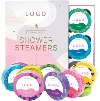

There's something about dropping a bath bomb into warm water at 9 PM that just works. The fizz, the color blooming through the tub, the smell filling up a quiet bathroom - it's a different experience than rushing through a morning soak before work. And it turns out, there's actual science behind why nighttime bath bombs feel more effective. Not just vibes. Real, measurable biological stuff happening in your body.
Let me walk you through exactly how to use a bath bomb at night for maximum relaxation, better sleep, and softer skin by morning.
Why Nighttime Is the Best Time for a Bath Bomb
Morning bath bomb users, I'm not judging you. But your body simply isn't set up to absorb the full benefits at 7 AM. Here's why evenings win.
Your body follows a natural circadian rhythm. Cortisol peaks in the morning to wake you up, then gradually dips through the afternoon and evening. Meanwhile, melatonin production ramps up as darkness falls. A warm bath with aromatherapy ingredients slots perfectly into this wind-down window - you're working with your biology instead of against it.
Warm water plus essential oils plus dim lighting creates a compounding relaxation effect. Each element reinforces the others. A daytime shower with a bath bomb? Fine. But you're fighting against caffeine, sunlight, mental to-do lists, and elevated stress hormones. Nighttime gives the experience a clear runway.
The Body Temperature Drop Effect
This is the real magic. When you soak in warm water (around 100-104°F), your core body temperature rises slightly. Then when you get out, it drops rapidly. That drop is a powerful signal to your brain: time to produce melatonin, time to sleep.
Sleep researchers have studied this extensively. The sweet spot is taking a warm bath about 60 to 90 minutes before you want to fall asleep. The temperature decline aligns with your body's natural pre-sleep cooling process.
Here's where bath bombs specifically help - they make the experience more enjoyable, so you actually stay in the water long enough for the thermal effect to work. A plain bath? You might hop out after 8 minutes. A bath that's swirling with purple and smells like a lavender field? You're lingering. That extra time matters.
Aromatherapy Works Harder When You're Winding Down
Lavender, chamomile, eucalyptus - these aren't just pleasant smells. They interact with your nervous system. Lavender in particular has been shown in multiple studies to reduce heart rate and lower blood pressure slightly.
But here's what most articles miss: your nervous system is more receptive to calming scents at night. When cortisol is naturally lower and your parasympathetic nervous system is already gaining dominance, aromatherapy doesn't have to fight through layers of daytime stimulation. It just... lands. Think of it like whispering in a quiet room versus shouting in a crowd.

Step-by-Step: How To Actually Use a Bath Bomb at Night
I've seen a lot of people just toss a bomb in and call it done. There's a better sequence that makes the whole thing more effective - and honestly more enjoyable.
Step 1 - Set Up Before You Undress
Preparation is everything. Before you even touch the faucet, gather your towel, a glass of water, your post-bath moisturizer, and anything else you'll need. The goal is zero interruptions once you're in the tub.
Dim the bathroom lights. If you have a dimmer switch, great. If not, a single candle works perfectly. Overhead fluorescent lighting completely undermines the relaxation response you're trying to trigger.
Water temperature matters more than people think. You want 100-104°F (37-40°C). Not scalding. If you don't have a thermometer, the water should feel comfortably warm when you dip your elbow in - hot enough to relax muscles, not so hot that your skin turns red immediately.
Step 2 - Fill the Tub First, Then Drop
This is the most common mistake I see. People drop the bath bomb into a half-filled tub while water is still running. What happens? Half the fizz and color gets diluted unevenly, oils don't distribute properly, and you miss the visual experience entirely.
Fill your tub to your desired level first. Turn off the water. Then drop the bomb in and watch it fizz for 30 to 60 seconds before getting in. The colors spread evenly, the oils coat the surface uniformly, and you get the full sensory show. It's a small change that makes a noticeable difference.
Step 3 - The Soak Itself (Timing Matters)
Fifteen to twenty minutes is your target. This isn't arbitrary.
Shorter than 10 minutes and you haven't absorbed meaningful aromatherapy benefits or given the oils enough time to soften your skin. Longer than 25 minutes and problems start: skin over-prunes, essential oils can over-saturate and potentially irritate, and the water cools to an uncomfortable temperature that undoes the thermal benefit.
Put on a podcast, ambient music, or just sit in silence. One rule though - no phone scrolling. The blue light and mental stimulation from social media directly counteract everything you're trying to achieve. If you need a timer, set it and flip the phone face down.
Step 4 - Rinse or Don't Rinse? It Depends.
This question comes up constantly, and the answer isn't universal. It depends on what's in your bath bomb.
If the bomb contains heavy oils, glitter, mica, or bold artificial dyes - do a quick lukewarm rinse. You don't want mica particles irritating your skin overnight or transferring colorful stains to your sheets.
If it's a simpler formula - essential oils, baking soda, citric acid, maybe some shea butter - skip the rinse entirely. Let that moisturizing layer stay on your skin. It'll absorb overnight and you'll wake up noticeably softer.
How to tell the difference? Check the ingredient list. If you see words like "mica," "synthetic colorant," or "polyester glitter," rinse. If the list is short and recognizable, you're fine to pat dry and go.
Step 5 - Post-Bath Routine That Locks In the Benefits
What you do in the five minutes after getting out matters more than most people realize.
Pat dry with your towel - don't rub. Rubbing strips away the oils you just soaked in. Then, within three minutes while your skin is still slightly damp and pores are open, apply body oil or a rich moisturizer. This seals everything in.
Slip into breathable pajamas (cotton or bamboo fabric). The whole sequence should flow directly toward bed. Don't sit back down at your computer. Don't check email. Don't turn on bright overhead lights. You've built a relaxation momentum - protect it.
Choosing the Right Bath Bomb for Nighttime Use
Not all bath bombs are created equal, and the wrong one at night can actually keep you awake. Here's what to look for and what to avoid.
Ingredients That Help You Sleep
Lavender essential oil - the gold standard for pre-sleep aromatherapy. It's been studied extensively and consistently shows mild sedative effects.
Magnesium sulfate (epsom salt blends) - magnesium absorbs through skin and helps relax muscles. Bath bombs that incorporate epsom salt give you both the fun experience and genuine mineral benefit.
Chamomile extract - milder than lavender but works synergistically with it. Particularly good for people who find lavender too strong.
CBD-infused options - increasingly popular and early research suggests topical CBD may reduce tension. Look for bombs listing actual CBD content in milligrams rather than vague "hemp" labeling.
Ingredients To Avoid Before Bed
Peppermint and menthol are stimulating. They increase alertness and can make your skin tingle in a way that's energizing, not calming. Same goes for strong citrus blends - grapefruit, lemon, and orange peel oils are morning ingredients.
Caffeine-infused bath bombs exist, and they're marketed for exactly the opposite purpose we're going for here. Avoid them after 6 PM.
Also watch out for heavy synthetic fragrances. In an enclosed, steamy bathroom, artificial scent compounds concentrate in the air and can trigger headaches or sinus irritation. If you're sensitive at all, lean toward bombs with short, recognizable ingredient lists.
Texture and Fizz Level - Does It Matter at Night?
Actually, yes. The sensory profile of your bath bomb should match the mood you're creating.
For nighttime, look for bombs that dissolve slowly with a milky or oily finish. These create a softer, more spa-like water texture. The experience is gentle and soothing.
Aggressive fizzing, bold neon colors, and bombs that create dramatic crackling sounds? Those are fun - but they're stimulating. Your brain registers them as exciting rather than calming. Save those for weekend afternoon baths when you're just having fun. Nighttime calls for subtlety.

Common Mistakes People Make With Nighttime Bath Bombs
Using Water That's Too Hot
I get it - it feels luxurious to crank the heat. But water above 104°F raises your heart rate significantly and can leave you feeling flushed and wired rather than drowsy. It also degrades essential oils faster, meaning you lose aromatherapy benefits in the first few minutes.
Stick to comfortably warm. Your body should feel relaxed in the water, not like it's enduring something.
Soaking Too Close to Bedtime
If you jump out of the bath and immediately get into bed while you're still radiating warmth, you actually miss the temperature drop mechanism that triggers melatonin. Your body stays warm, your brain doesn't get the sleep signal, and you end up lying there wondering why you're not drowsy.
Finish your bath 30 to 60 minutes before you want to actually fall asleep. Use that gap for your skincare routine, gentle stretching, reading a book - anything low-stimulation that lets your core temp fall naturally.
Ignoring Skin Sensitivity at Night
Here's something most people don't consider: your skin barrier function naturally decreases overnight. Your skin becomes more permeable while you sleep, which is great for absorbing beneficial moisturizers - but also means irritants penetrate more easily.
Bath bombs with heavy synthetic dyes or aggressive fragrances can cause reactions that show up by morning. Redness, dryness, or mild rashes that weren't there when you went to bed. Always patch-test a new bath bomb product, and be especially cautious with nighttime use because your skin is entering its most vulnerable phase.
FAQ
Can I use a bath bomb every night?
You can, but most dermatologists suggest 2-3 times per week for most skin types. Nightly use can disrupt your skin's natural pH balance over time, especially if the bombs contain baking soda (which is alkaline). On off nights, try a plain epsom salt soak - you still get the thermal and magnesium benefits without the pH disruption.
Do bath bombs stain the tub?
Some do. Darker colors - deep purple, black, vivid red - are the usual culprits. The fix is simple: rinse your tub immediately after draining while residue is still wet. If staining does happen, a paste of baking soda and dish soap with light scrubbing handles most cases. Acrylic tubs stain more easily than porcelain, so keep that in mind when choosing bold-colored bombs.
Are bath bombs safe for sensitive skin at night?
Yes, with the right product choice. Look for bombs specifically labeled fragrance-free and dye-free. Ingredients like colloidal oatmeal and shea butter are gentle and actively soothing. Nighttime use actually works in your favor here - your skin has the full overnight recovery period before encountering morning products, sunscreen, or environmental stressors.
Can kids use bath bombs before bedtime?
Yes, and many parents find it makes the bedtime bath routine something kids actually look forward to. A few caveats though: choose bombs specifically formulated for children. Avoid essential oils entirely for kids under 3 - their skin and respiratory systems are too sensitive. Skip anything with glitter that could irritate eyes. And keep soak time to 10 minutes max for young children - their skin is thinner and more absorbent than adult skin.
What's the difference between a bath bomb and a bath soak for sleep?
Bath bombs deliver a concentrated burst of ingredients in a fun, sensory-rich format - the fizzing, the color, the reveal. Bath soaks (salts, milk powders, herbal blends) dissolve more gradually and typically offer sustained mineral absorption over a longer period.
For sleep specifically, the ideal product is actually a hybrid: a bath bomb that contains epsom salt content alongside essential oils. You get the engaging experience that keeps you in the tub long enough AND the functional magnesium and aromatherapy benefits that genuinely support sleep. Look for bombs that list magnesium sulfate high on their ingredient list - that tells you there's enough in there to matter, not just a token amount.