
What is Jelly Soap?
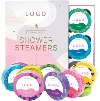
A fun, wobbly, and colorful personal care product, jelly soap combines the cleansing power of traditional soap with the tactile appeal of gelatin. Jelly soaps, often shaped into colorful cubes or whimsical molds, are becoming more popular worldwide, especially among younger consumers and gift-oriented personal care brands.
Jelly soap's soft, bouncy texture and rich lather make it fun. It works as a body wash, hand soap, and bath toy, making it ideal for kids and novelty skincare lines. Jelly soap is a novel product concept for personal care brands looking to stand out due to its endless scent, color, and shape options.

Jelly soap is a trend-driven, high-margin OEM/ODM opportunity. Brands and retailers worldwide are using custom jelly soap solutions to add visual and sensory appeal to their product lines. Jelly soap can be branded and positioned for seasonal launches, kids' care lines, or social media-friendly skincare.
Jelly Soap Formulation Basics
A well-balanced formula that looks good and works well is the first step in making high-quality jelly soap. Humectants, surfactants, gelling agents, and skin-conditioning ingredients are usually all part of the base formula. Each one is important for giving the product its texture, cleaning power, and sensory experience.
Key Ingredients in Jelly Soap Production:
- Glycerin: Acts as a humectant to attract moisture and soften the skin, commonly used in transparent jelly soap bases.
- Mild Surfactants: Such as sodium lauryl sulfoacetate (SLSA) or coco-glucoside, which create gentle yet effective lather.
- Gelling Agents: Carrageenan, xanthan gum, or carbomer are used to give jelly soap its signature bounce and firmness.
- Preservatives: To ensure microbiological stability, especially for water-based formulations.
- Fragrances and Essential Oils: Customized to match the target audience or brand identity.
- Colorants and Glitters (Optional): For visual differentiation and shelf appeal.
Custom Additives for Functional Benefits:
Depending on your brand's focus, additional ingredients can be introduced to enhance functionality:
- Botanical Extracts: Like aloe vera, chamomile, or green tea for calming effects.
- Exfoliants: Such as jojoba beads or fruit enzymes for gentle scrubbing.
- Vitamins: Vitamin E or panthenol for added nourishment.
- Natural Oils: Coconut, jojoba, or argan oil for moisturizing properties.
By changing the amount and mix of these ingredients, jelly soaps can be made for certain groups of people, like those with sensitive skin, those who care about the environment, or those who want to give luxury gifts. Our research and development team works closely with clients to make sure the formulation is in line with market trends, ingredient preferences, and rules for global markets.
How to Make Jelly Soap: Step-by-Step Process
Understanding the production process is crucial for brands launching custom jelly soap lines or product developers exploring new formats. This is a simplified overview of OEM/ODM jelly soap manufacturing.
Step 1: Choose and Prepare Ingredients
High-quality soap base, gelling agent, fragrance, colorant, and functional additives are sourced first. Based on brand positioning and target market, clients can choose natural, vegan, sulfate-free, or organic.
Step 2: Base Heating and Mixing
Gently heating the base (usually glycerin) liquefies it. To achieve a uniform consistency, surfactants and moisturizers are added and blended. This stage requires optimal temperature control to preserve ingredient efficacy.
Step 3: Add Fragrances, Extracts, and Colorants
After stabilizing the base, fragrance oils, essential oils, botanical extracts, and skin-enhancing actives like vitamin E and aloe vera are added. Natural or synthetic colorants add aesthetic appeal, and glitter or mica adds luxury.
Step 4: Add Gelling Agent
Gelling agents like carrageenan or carbomer give soap its jelly-like texture. This step requires precise blending and pH adjustment for consistency, bounce, and skin friendliness.
5. Pouring into molds
Jelly is poured into custom molds. Clients can choose from hearts, stars, cubes, or branded logos to match their marketing themes or seasonal campaigns.
Step 6: Cool, unmold, and package
Jelly soap cools and sets in controlled rooms or chambers. Soaps are demolded, visually inspected, and sent to packaging after full gelation. Client-specified jars, blister trays, and gift boxes are used.
Customizing private label Jelly Soap for Clients
At Poleview, we specialize in helping brands create custom jelly soaps that reflect their unique identity and market positioning. Whether you're a skincare startup, a beauty brand, or a promotional gift company, our OEM/ODM services allow full customization at every stage-from formula to fragrance to packaging.
1. Formula Customization: Tailored to Your Brand
You can choose from our standard base formulas or work with our R&D team to develop a fully custom jelly soap formulation. Options include:
- Natural / Vegan / Sulfate-Free Bases
- Custom Additives: Essential oils, vitamins, exfoliants, anti-acne agents, etc.
- Targeted Functionality: For sensitive skin, kids, oily skin, or seasonal themes
2. Scent and Color Matching
We offer over 100+ fragrance options, including floral, fruity, herbal, and gourmand profiles. You can also request custom scent blending to match your brand's signature aroma. Color options range from pastel to vibrant neon, with effects such as marble, ombré, or glitter-infused.
3. Shape and Mold Customization
Choose from our catalog of standard molds (hearts, cubes, stars, animals) or create a custom silicone mold with your brand logo or campaign theme. This is ideal for seasonal collections, gift boxes, or influencer collaborations.
4. Packaging Design Options
Packaging is where your product makes its first impression. We support:
- Blister trays, jars, or PET containers
- Custom-printed boxes with logo & QR code
- Eco-friendly and recyclable options
- Shrink-wrap for single-use minis or sampler packs
5. MOQ & Sampling Support
We understand the importance of market testing. That's why we offer:
- Low Minimum Order Quantities (as low as 1,000 pcs)
- Free or low-cost sampling before mass production
- Fast prototyping within 5–7 working days
How to Place an Order
One-to-one intimate service throughout
Contact our sales team with your requirements.
1
>>
Receive a quotation and sample (if requested).
2
>>
Confirm the order details and make the deposit payment.
3
>>
Production starts after sample approval.
4
>>
Balance payment is made before shipment.
5
>>
Receive your custom-made products.
6
FAQ
Q: Is jelly soap okay for skin that is sensitive?
A: Yes, jelly soap can be good for sensitive skin if it is made correctly. There are sulfate-free and fragrance-free options, as well as formulas that are rich in soothing ingredients like chamomile extract and aloe vera. As part of their OEM development, clients can ask for skin patch testing and dermatological evaluations.
Q: Is it possible to make jelly soap that is vegan or cruelty-free?
A: Of course. We can make jelly soaps with 100% vegan ingredients and make sure that no animal products or animal testing are used. You can get vegan and cruelty-free statements upon request, along with proof of the raw materials used.
Q: How long does jelly soap usually last?
A: If you store our standard jelly soap formulations in a cool, dry place, they will last for 24 months. We can do accelerated aging and stability testing for some markets to give you localized shelf-life data.
Q: What is the minimum order quantity (MOQ) for private label jelly soap?
A: Depending on how complicated the packaging is and what the formula needs, our usual minimum order quantity (MOQ) for custom jelly soap with a private label is 1,000 to 3,000 pieces per SKU. Pilot runs or sampling programs may be able to use lower MOQs.
Q: Can I get a sample before I order a lot?
A: Yes, we give free or cheap samples to private label clients who meet certain criteria. After you tell us what you want in terms of formula, scent, color, and packaging, our team can make custom samples in 5 to 7 business days.