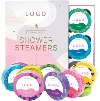

I'll be honest - for the longest time, I thought shower steamers were just bath bombs for people without bathtubs. Turns out, they're their own thing entirely, and making them yourself is ridiculously satisfying once you get the hang of it. If you've ever wanted that spa-like aromatherapy experience during a regular morning shower, this is your guide.
What Are Shower Steamers (And Why Are They Worth Making)?
Shower steamers are small, compact tablets that sit on your shower floor or a ledge. When water splashes onto them, they fizz and release essential oils into the steam around you. You breathe it in, and suddenly your boring Tuesday shower feels like a wellness retreat.
They're not bath bombs. You don't soak in them. They're purely about the scent and the steam - aromatherapy shower tablets designed for people who either don't have a tub or simply prefer showers.
So why make them at home? A few reasons. Store-bought ones typically run $2–4 each, and many contain synthetic fragrances that give some people headaches. When you make homemade shower melts yourself, you control exactly what goes in. You pick the scents, adjust the strength, skip the artificial dyes. Plus, they make genuinely thoughtful gifts - the kind people actually use rather than politely stashing in a drawer.
My own entry into this was pretty unglamorous. I had a stuffy nose, no bathtub, and a Pinterest board full of promises. The first batch was a disaster (more on that later). But the second batch? Perfect. And I've been tweaking recipes since.
How Shower Steamers Work (The Simple Science)
The core chemistry is straightforward. When citric acid meets baking soda in the presence of water, they react and produce carbon dioxide gas - those fizzy bubbles you see. That reaction is what releases the essential oils trapped in the tablet into the surrounding air.
Steam from your hot shower carries those oil molecules upward, creating a cloud of scent you breathe in. This is why placement matters so much. You want the steamer where it gets splashed occasionally, not sitting directly under the full blast of water. Direct stream = dissolves in two minutes flat with half the scent going straight down the drain.

Step-by-Step Recipe for DIY Shower Steamers
Basic Recipe (Makes ~6 Standard Steamers)
Here's the full citric acid and baking soda recipe I use most often. It's forgiving, works reliably, and you can scale it up easily once you're comfortable with the process.
Step 1 - Mix Dry Ingredients
Combine in your bowl:
1 cup baking soda
½ cup citric acid
½ cup cornstarch
Whisk these together thoroughly. If you see lumps (especially in the baking soda - it clumps when stored), sift the mixture or press lumps out with the back of a spoon. Even distribution matters here because clumps create weak spots in your finished steamers.
Step 2 - Add Essential Oils
Drip 25–30 drops of your chosen essential oils directly into the dry mixture. Stir quickly and evenly with a fork. The key word is quickly - if oil pools in one spot too long, it can start activating a small amount of fizz locally.
A trick I picked up: mix your essential oils with about half a teaspoon of a lightweight carrier oil (like sweet almond or fractionated coconut oil) before adding them to the dry mix. This helps the scent disperse more evenly and makes the final product slightly more moisturizing on your skin.
Step 3 - Spritz (Don't Pour) Your Liquid
This step is where most first attempts go wrong. I know because my first batch turned into a fizzy volcano on my kitchen counter.
Fill a spray bottle with witch hazel (preferred) or plain water. Spritz your mixture 3–5 times, then stir immediately. Repeat. Spritz, stir. Spritz, stir. You're looking for a consistency that feels like slightly damp sand - it should hold its shape when you squeeze a handful, but it shouldn't feel wet.
The temptation to just pour in some water and speed things up? Resist it. Pouring activates the fizz reaction prematurely and you end up with a puffy, crumbly mess instead of firm tablets.
Step 4 - Pack into Molds Tightly
Scoop the mixture into your silicone molds and press it down firmly. Really compact it. Use your thumbs, the back of a spoon, whatever works. The tighter you pack, the denser the steamer, and dense steamers last longer in the shower instead of dissolving instantly.
Fill each mold to the top and level it off. If you're using a standard ice cube tray size, you should get about 6 steamers from this recipe.
Step 5 - Drying and Unmolding
Leave them alone for 24–48 hours. Seriously, don't touch them. They need to dry completely before you pop them out, or they'll crack and crumble.
If you live somewhere humid, drying takes longer. Running a dehumidifier nearby or placing them in an air-conditioned room helps a lot. You'll know they're ready when they feel solid and don't give at all when you press gently on the surface.
To unmold, gently flex the silicone tray and push from the bottom. They should pop out cleanly. If one cracks, it's still usable - just won't look as pretty.
Pro Tips That Actually Make a Difference
How to Make Your Steamers Last Longer in the Shower
Placement is everything. Set your steamer on a corner ledge or soap dish where it gets hit by occasional splashes and steam but not the direct water stream. Some people put theirs in a small mesh bag and hang it from the showerhead - this works surprisingly well and prevents it from dissolving too fast on a wet surface.
If you want denser, longer-lasting tablets, increase the cornstarch slightly (try ¾ cup instead of ½) or add a tablespoon of kaolin clay. Both slow dissolution without killing the fizz.
Storing Shower Steamers Properly
Essential oils evaporate over time, especially when exposed to air. For best scent potency, store your finished steamers in an airtight container - a mason jar, a zip-lock bag with the air squeezed out, or individually wrapped in shrink wrap or beeswax wrap.
Stored properly, they'll stay fragrant for 1–3 months. After that, they still fizz fine but the scent weakens noticeably. This is why I tend to make smaller batches more often rather than one massive batch.
Common Mistakes and How to Fix Them
Steamers crumbling when unmolded - Not packed tightly enough, or the mixture was too dry. Next time, add a couple more spritzes and really press hard into the molds.
Fizzing happening during mixing - You added liquid too fast. Always spritz, never pour. Keep a paper towel handy to quickly absorb any excess if this starts happening.
Weak scent during actual shower use - Either not enough essential oil in the recipe, or the steamer is dissolving too quickly under direct water. Try 35 drops next batch, and reposition the steamer away from the stream.
Steamers expanding or puffing up in the mold - Too much moisture in the air or mixture. Humidity is the enemy during the setting phase.
Recipe Variations for Different Needs
Sinus Relief Eucalyptus Shower Discs
Use the base recipe above with this oil combination: 15 drops eucalyptus, 10 drops peppermint, 5 drops tea tree. Add ¼ teaspoon menthol crystals (dissolved into the carrier oil first). These are lifesavers during cold and allergy season. The menthol provides that intense cooling sensation that really opens up congested airways.
Relaxation Blend (Nighttime Wind-Down)
Try 15 drops lavender, 8 drops cedarwood, 7 drops Roman chamomile. For this variation, I increase cornstarch to ¾ cup so they dissolve more slowly - you want a gentle, lingering scent for an evening shower rather than a quick burst. These essential oil shower bombs are perfect when you need help transitioning from a hectic day into sleep mode.
Energizing Morning Blend
Combine 10 drops sweet orange, 10 drops grapefruit, 10 drops rosemary. Bright, sharp, and gets your brain moving. I keep these on my shower ledge all week - they've basically replaced my need for a second cup of coffee on slow mornings. Basically a citrus wake-up call in tablet form.
Are DIY Shower Steamers Safe? What to Know
Generally, yes - these are very safe for most adults. But a few considerations worth mentioning:
Skin sensitivity: Keep steamers on a ledge rather than the floor where you stand. Some essential oils (especially peppermint and eucalyptus in high concentrations) can irritate skin with prolonged contact.
Oil quality matters: Use genuine essential oils, not "fragrance oils" labeled as aromatherapy. Cheap fragrance oils are synthetic and don't provide the same therapeutic properties.
Pet safety: If your bathroom door stays open and you have cats, be cautious with tea tree, eucalyptus, and peppermint - these can be harmful to felines even in diffused form. Dogs are generally less sensitive but still keep the bathroom ventilated.
Children: For kids' showers, use very mild oils (lavender, gentle citrus) at half the adult concentration. Skip menthol crystals entirely for young children.
Frequently Asked Questions
Q: Can I Use Fragrance Oils Instead Of Essential Oils?
A: You can, but the experience is different. Fragrance oils provide scent without therapeutic benefits. They're also more likely to contain synthetic compounds that irritate sensitive skin or airways. If pure aromatherapy is your goal, stick with essential oils. If you just want a nice smell and don't mind synthetics, fragrance oils are cheaper and come in more variety (like "fresh linen" or "ocean breeze" - scents that don't exist naturally).
Q: How Many Times Can I Use One Shower Steamer?
A: One steamer is designed for one shower. However, if you place it where only indirect water hits it, a larger or denser steamer can sometimes last two shorter showers. Once the fizzing stops, the scent benefit is basically gone.
Q: Why Did My Shower Steamers Expand Or Puff Up In The Mold?
A: Humidity activated the citric acid and baking soda reaction while they were setting. This usually happens in bathrooms (ironic, right?) or on rainy days. Dry them in a different room with lower humidity. Running an air conditioner or dehumidifier nearby prevents this almost entirely.
Q: Do Shower Steamers Work In A Cold Or Lukewarm Shower?
A: They'll still fizz since the chemical reaction doesn't require heat. But the aromatherapy effect is significantly weaker because there's less steam to carry the essential oils into the air you breathe. Hot or warm showers are ideal. In a lukewarm shower, placing the steamer closer to your face level (on a high shelf) can help somewhat.
Q: Can I Sell Homemade Shower Steamers?
A: Technically yes, many people do at craft fairs and online shops. However, regulations vary by location. In the US, the FDA considers them cosmetics, which means labeling requirements apply. You'll need proper ingredient lists, batch tracking, and liability insurance is strongly recommended. Research your local cottage industry laws before selling.
Q: What's The Difference Between Shower Steamers And Bath Bombs?
A: Bath bombs are designed to dissolve in bathwater - they often contain moisturizing oils, butters, colors, and sometimes glitter that you soak in. Shower steamers are formulated purely for scent release via steam. They typically use more essential oil and less (or no) skin-conditioning ingredients. Using a bath bomb as a shower steamer usually results in an oily shower floor, which is a slip hazard. They're related products with fundamentally different purposes.