
Someone asked me this the other day, and honestly, I'd never really thought about it. But once you start digging into the data and the cultural stuff behind it, the answer turns out to be way more interesting than "women just like pink fizzy things." So let's get into it.

The Numbers Don't Lie - Who's Actually Buying Bath Bombs?
Let's start with what we actually know. The global bath bomb market has been on a steady climb, and the gender split in purchasing is pretty dramatic.
What the Sales Data Actually Shows
According to consumer research from late 2025, women account for roughly 75-80% of bath bomb purchases across major retail channels. That includes both in-store (think Lush, Target, specialty beauty retailers) and online shopping through Amazon and DTC brands.
Here's what's interesting though - women aren't just buying for themselves. A significant chunk of those purchases are gifts. Bath bombs are the go-to "safe gift" for female friends, teachers, coworkers. Men rarely receive them as gifts, which means they're less likely to ever try one in the first place. It's a self-reinforcing cycle.
The luxury bath experience skincare market skews female by almost every measure, and bath bombs sit right at the center of that category.
A Growing But Still Lopsided Market
The overall bath bomb market grew around 8% year-over-year through 2025, and the men's segment is expanding faster in percentage terms. But here's the context: when you're growing from a tiny base, big percentage jumps still represent small absolute numbers.
So yes - more men are buying bath bombs than five years ago. But the gap remains wide. The question is why, and the answer has layers.
It's Not Just About the Bath - It's About the Ritual
This is where things get genuinely interesting. The preference gap isn't really about bath bombs specifically. It's about an entire ecosystem of behavior that women are more likely to have built over years.
Self-Care as a Practiced Habit
Women, broadly speaking, are socialized from adolescence into multi-step self-care routines. Skincare regimens, hair treatments, relaxation practices - these build up over time into what I'd call "infrastructure." You already have the candles. You already have the playlist. You already block off the time. A bath bomb slots perfectly into that existing framework.
Men often don't have this infrastructure. Not because they can't or wouldn't enjoy it, but because nobody taught them to build it. The gender differences in self-care routines start early and compound over decades. When you've never established a wind-down ritual, adding a bath bomb to it is a non-starter - there's nothing to add it to.
The Sensory Experience Factor
Bath bombs are fundamentally a multi-sensory product. The fizz, the color blooming through water, the scent filling the bathroom, the way your skin feels after. They engage sight, smell, touch, and even sound all at once.
Research on sensory-seeking behavior suggests that women tend to score higher on valuing sensory richness in self-care contexts specifically. This doesn't mean men don't enjoy sensory experiences - obviously they do. But women are more likely to actively seek them out in a relaxation setting rather than, say, through food or physical activity.
The aromatherapy bath products preferences among female consumers lean heavily toward complex scent profiles - lavender-chamomile blends, rose-geranium combinations. Women bathing rituals relaxation patterns tend to involve layering these sensory inputs intentionally.
Marketing Built This Gap (And Keeps Reinforcing It)
I want to be straightforward here: a huge portion of this gender gap is manufactured. Not by consumers, but by brands.
Packaging, Scents, and the "Feminine" Default
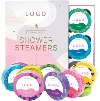
Walk into any bath bomb display and what do you see? Pastels. Florals. Glitter. Packaging that looks like it was designed exclusively for women between 22 and 40. The scent profiles default to lavender, rose, vanilla, jasmine - all culturally coded as feminine.
These are choices, not inevitabilities. There's nothing inherently gendered about citric acid and baking soda fizzing in water. But when every visual cue screams "this product is for women," most men won't even pick it up to read the label.
Social Media and the "Bath Aesthetic"
The visual culture around bath bombs lives almost entirely in female-dominated content spaces. Instagram bath flat lays. TikTok videos of colorful water swirling. Pinterest boards dedicated to "self-care Sunday" aesthetics. These are created by women, shared among women, and algorithmically served to women.
Men scrolling social media almost never encounter bath bomb content organically. It doesn't appear in their feeds, their favorite creators don't discuss it, and the visual language is unfamiliar. Out of sight, out of mind.
The Skincare Connection Women Already Understand
There's a knowledge gap here that doesn't get discussed enough. Women generally understand what bath bombs actually do beyond looking pretty.
What's Actually in a Bath Bomb (And Why It Matters)
A decent bath bomb typically contains epsom salt (magnesium sulfate for muscle relaxation), coconut or jojoba oil (skin moisturizing), shea butter (barrier repair), essential oils (aromatherapy and skin benefits), plus the citric acid and sodium bicarbonate that create the fizz.
This isn't just entertainment. Your skin is literally soaking in moisturizing compounds for 20-30 minutes. The bath bomb ingredients benefits are real and measurable - softer skin, reduced tension, better hydration. It's a delivery mechanism for skincare, disguised as a fun sensory experience.
Women's Existing Skincare Literacy
Here's the thing: most women already know what jojoba oil does. They know why shea butter matters. They can read an ingredient list and understand the value proposition immediately.
Many men look at that same ingredient list and see meaningless words. When you can't evaluate what a product actually does for you, it just looks like an overpriced fizzy ball. The luxury bath experience skincare benefits are invisible if you don't have the context to recognize them. This isn't about intelligence - it's about accumulated knowledge from years of engaging with skincare products and information.
Shower Culture vs. Bath Culture - A Practical Divide
We need to talk about something obvious that people overlook: you can't use a bath bomb in a shower. And a lot of men simply don't take baths.
The Time Perception Problem
The average shower takes 8 minutes. A bath worth taking - filling the tub, soaking, actually relaxing - requires 30-45 minutes minimum. Men are statistically more likely to view bathing as purely functional. Get in, get clean, get out. The idea of spending 40 minutes in water for the purpose of relaxation feels indulgent or wasteful to someone who's never framed bathing as anything other than hygiene.
Women more often approach baths as intentional downtime. It's not about getting clean - it's about decompressing. That mental shift makes all the difference in whether bath bombs seem appealing or pointless.
"Real Men Take Showers" - The Unspoken Rule
Nobody says this out loud exactly, but the cultural messaging exists. Baths are coded as indulgent, passive, feminine. Showers are quick, efficient, no-nonsense. Men who enjoy long baths often don't mention it to friends. It's a small thing, but these small things add up into purchasing patterns and habits.
This is shifting, slowly. But the shower-as-default for men remains deeply entrenched.

Are Men Actually Starting to Catch Up?
The honest answer is: sort of. The trend is real but modest.
Gen Z and the Dissolving Gender Lines
Younger men - particularly Gen Z - show measurably less resistance to products traditionally marketed toward women. Male wellness spending has increased across categories including skincare, aromatherapy bath products, and relaxation aids. The gender differences in self-care routines are narrower among 18-25 year olds than any previous generation measured.
Social media actually helps here too. Male wellness influencers, "everything shower" content that includes men, and the general normalization of self-care as gender-neutral all chip away at old assumptions.
What Would Actually Close the Gap
A few things would need to happen simultaneously. More neutral or function-focused marketing that doesn't make men feel like they're buying a "women's product." Better education about what bath bombs actually contain and why those ingredients matter for everyone's skin. And honestly, just more men talking openly about enjoying baths.
The gap won't disappear because the underlying habit differences (shower vs. bath, established routines vs. none) take time to shift. But it'll likely narrow over the next several years as wellness culture continues becoming less gendered overall.
FAQ - Bath Bombs and Gender Preferences
Q: Are Bath Bombs Only For Women?
A: Not at all. Bath bombs are for anyone who takes baths. The ingredients - epsom salt, moisturizing oils, essential oils - benefit all skin types regardless of gender. The perception that they're "women's products" comes from marketing and packaging choices, not from anything inherent to the product itself.
Q: Why Don't Men Use Bath Bombs As Much?
A: It's a combination of factors working together: men are more likely to prefer showers over baths, they've had less marketing exposure to bath bombs, social norms subtly discourage "indulgent" bathing for men, and fewer men have established self-care routines that naturally incorporate these products. There's no single explanation - it's a pile-up of small things.
Q: What Bath Bomb Scents Do Men Prefer?
A: When men do buy bath bombs, they tend to gravitate toward eucalyptus, cedarwood, peppermint, and citrus scents - less floral, more what people describe as "grounding" or "fresh." That said, scent preference is deeply individual. Plenty of men enjoy lavender or vanilla. The point is that most brands only offer feminine-coded options, which narrows the apparent choices.
Q: Are Bath Bombs Good For Your Skin Regardless Of Gender?
A: Yes. Skin is skin. The moisturizing oils hydrate, the epsom salt helps with muscle recovery and tension, and essential oils provide aromatherapy benefits for everyone. The muscle recovery angle is actually something that resonates well with active or athletic men - soaking in magnesium-rich water after a workout is genuinely beneficial, whether it comes in a pink fizzy ball or not.
Q: Do Bath Bombs Have Actual Health Benefits?
A: They do, within reason. Documented benefits include stress reduction (warm water plus aromatherapy measurably lowers cortisol), skin hydration from embedded oils, muscle tension relief from epsom salt, and improved sleep quality when used before bed. These aren't miracle products, but the relaxation and skincare benefits are real and completely gender-neutral.