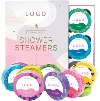

The Undeniable Rise of Bath Bombs: Understanding Their Dominance in the Bathing Category
I've spent over fifteen years analyzing consumer behavior in the personal care space, and few product stories fascinate me quite like the meteoric rise of bath bombs. What started as a niche novelty item has evolved into one of the most sought-after self-care staples globally. If you've ever wondered why bath bombs popular in bath products categories consistently outrank everything else on shelves, you're not alone-and the answer involves much more than pretty colors and pleasant scents.
The global bath and body market surpassed $80 billion in 2025, according to Grand View Research. Within that market, effervescent bathing spheres command a disproportionate share of consumer attention and spending. Let me walk you through what's actually driving this phenomenon from an industry perspective.
A Multi-Sensory Experience That Traditional Products Simply Cannot Match
Here's what I tell brands when they ask me about this category: bath bombs succeed because they engage every single sense simultaneously. The fizz is audible. The colors are visual theater. The fragrance fills the room. The water feels silkier on skin. No bar of soap or bottle of bubble bath delivers that layered sensory payoff in one compact product.
This is precisely why are bath bombs so popular compared to other bath products-they transform a mundane hygiene routine into something that feels like an event. Consumers aren't just cleaning themselves; they're creating a moment. That psychological shift from "task" to "treat" is enormously powerful in purchase decisions.

The Role of Formulation and Science
Modern bath bomb ingredients like sodium bicarbonate, citric acid, essential oils, and botanical extracts work together to create that signature effervescence while delivering genuine skin benefits. Many formulations now include shea butter, coconut oil, or colloidal oatmeal that turn the bathwater into a skin moisturizing soak. This dual-purpose nature-entertainment plus skincare-gives them a competitive edge that single-function products struggle to match.
Formulators have gotten remarkably creative. You'll find options with embedded flower petals, color-changing pigments, hidden jewelry, and even CBD extracts. The constant innovation cycle keeps consumers curious and coming back for more.
Social Media and the "Shareability" Factor
You cannot discuss what makes bath bombs the most popular bath product 2026 without addressing social media. These products are inherently photogenic. The swirling colors, the dramatic fizz, the final reveal of a glittery or rainbow-hued bath-it's all tailor-made for short-form video content.
TikTok and Instagram have created a self-reinforcing cycle. Creators film dissolving bath bombs, viewers get inspired, they purchase their own, film their experience, and the loop continues. According to a 2025 Mintel report on personal care trends, products with high visual appeal see 3.2 times more organic social engagement than conventional alternatives. Bath bombs sit at the top of that list.
Gifting Culture and Impulse Purchases
Another angle that often gets overlooked: bath bombs make exceptional gifts. They're affordable, visually appealing when packaged, and feel personal without being too intimate. This positions them perfectly for holidays, birthdays, and "just because" gifting-occasions that drive significant retail volume year-round.
Their price point (typically $5–$15 per unit) hits the sweet spot for impulse buying. Consumers feel they're treating themselves without guilt. That accessibility is a major reason bath bombs popularity growth in the bath and body market has outpaced nearly every competing subcategory over the past five years.
The Wellness Movement Gave Bath Bombs Their Perfect Stage
Let's be honest-the broader wellness and self-care movement provided the cultural context these products needed to thrive. As consumers increasingly prioritize mental health and stress reduction, the idea of a ritualized aromatherapy bath has moved from luxury to perceived necessity for millions of people.
Bath bombs slot perfectly into a relaxation self-care routine. They require intention: you draw a bath, select your bomb, watch it dissolve, and then soak. That deliberate sequence signals to the brain that you're shifting from productivity mode to restoration mode. Psychologists call this a "transition ritual," and it genuinely helps people decompress.

Accessibility Across Demographics
One thing I've observed that separates this category from other wellness trends is its remarkable demographic breadth. Teenagers buy them for fun. Working professionals buy them for stress relief. Parents buy them to make children's bath time easier. Elderly consumers appreciate the skin-softening properties. Very few personal care products appeal this widely across age, gender, and income brackets.
This broad appeal is a core reason why do people prefer bath bombs over traditional bath products-they meet different people where they are, serving different needs with the same basic format.
Innovation and Customization Keep the Category Fresh
The bath bomb industry never sits still. Brands continuously release seasonal collections, limited editions, and collaborative lines. This creates urgency and collectibility that you simply don't see with bar soaps or shower gels. When was the last time someone got excited about a new body wash scent? It happens, but not with the same fervor.
Customization is another frontier. Several direct-to-consumer brands now allow shoppers to choose their own scent combinations, colors, and functional additives. This personalization trend aligns with broader consumer expectations set by other industries-and it gives fizzy bath products a dynamic, evolving identity that prevents category fatigue.
Sustainability Shifts in Production
Early criticism of bath bombs centered on environmental concerns-synthetic dyes, glitter microplastics, excessive packaging. The industry has largely responded. By mid-2026, most major brands have transitioned to biodegradable glitter, plant-derived colorants, and minimal or compostable packaging. This evolution has removed a significant purchase barrier for eco-conscious consumers and further solidified market position.
These are tangible reasons bath bombs are trending in the bath product industry beyond mere novelty. The category matured, addressed its weaknesses, and emerged stronger.
Market Data Tells a Clear Story
Numbers don't lie. The global bath bomb market alone was valued at approximately $1.5 billion in 2025, with projected compound annual growth exceeding 6% through 2030, per Statista's latest beauty segment analysis. For a single subcategory within a much larger sector, that's exceptional performance.
Subscription box models have further boosted consistent revenue. Companies like Bath Bomb Co. and niche Etsy sellers report repeat purchase rates above 40%-far higher than typical personal care replenishment cycles. Consumers aren't just buying once out of curiosity. They're building ongoing habits around these products.
Why This Popularity Isn't a Passing Fad
I've watched countless personal care trends rise and collapse over my career. What distinguishes bath bombs is their structural staying power. They benefit from social media virality, wellness culture alignment, constant product innovation, broad demographic appeal, and an accessible price point-all simultaneously. When multiple demand drivers converge like this, you get sustained growth rather than a spike-and-crash cycle.
Understanding why bath bombs popular in bath products conversations dominate also comes down to emotional connection. People associate these products with joy, relaxation, and self-reward. Those emotional anchors are extremely difficult for competitors to displace once established.
Final Perspective
After analyzing this category for years, my conclusion is straightforward: bath bombs earned their dominance by delivering an experience that transcends basic function. They turned a utilitarian activity into something people genuinely look forward to. In a consumer landscape where experience often matters more than utility, that's a winning formula-and I don't see it losing momentum anytime soon.
Frequently Asked Questions
Are bath bombs actually better for your skin than regular bath products?
Many modern formulations include nourishing oils and butters that genuinely benefit skin hydration. However, "better" depends on your specific needs. If you have sensitive skin, look for fragrance-free options with simple ingredient lists. For general moisturizing during a soak, well-formulated bath bombs often outperform standard bubble baths because their oils coat the skin as the water drains.
How often is it safe to use bath bombs?
For most adults, two to three times per week is perfectly fine. If you notice any irritation, dryness, or urinary discomfort, reduce frequency or switch to a simpler formulation. Always rinse briefly with clean water after soaking to remove any residual dyes or fragrance from your skin.
What should I look for when choosing a quality bath bomb?
Prioritize products that list their full ingredient deck transparently. Look for natural colorants, essential oils rather than synthetic fragrances (if scent sensitivity is a concern), and moisturizing agents like cocoa butter or sweet almond oil. Avoid products with microplastic glitter-reputable brands clearly label their glitter as biodegradable.
Why do bath bombs cost more than bubble bath or bath salts?
The production process is more labor-intensive. Each bomb is individually molded, often hand-pressed, and requires precise ratios of dry and wet ingredients to achieve proper fizz. The inclusion of premium oils, botanicals, and decorative elements also increases per-unit cost. However, when you consider the multi-functional experience delivered-scent, color, skin benefits, and ritual-the value proposition holds up well against buying multiple separate products.