
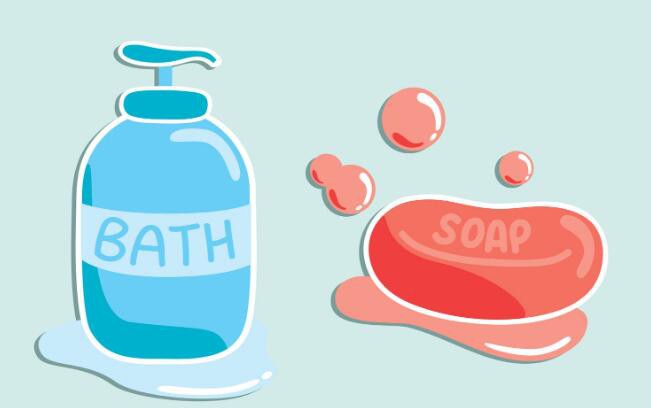
You're standing in the shower aisle. On one shelf, a sleek bottle promising silky skin and rainforest extracts. On the other, a humble little bar wrapped in paper, going for a third of the price. Which one actually wins?
Here's the thing. The debate has flared up again in 2026, mostly because dermatologists keep landing on opposite sides of it on social media. Some swear bars are making a comeback. Others insist body wash is the only sensible option for modern skin. The real answer isn't black or white, and anyone telling you otherwise is selling something.
What actually matters is your skin type, the ingredients in the product, your living situation, and weirdly enough, your travel habits. Let's get into it.
The Quick Answer Before We Get Into It
If you only have thirty seconds: bar soap usually wins on simplicity, price, and packaging waste. Body wash usually wins on moisture, variety, and shared-bathroom hygiene.
Neither is universally better. The "best" option is whichever one you'll actually use consistently, and whichever leaves your skin feeling good an hour after the shower, not just during it.
What's Actually Inside the Bottle
Most people grab whatever smells nice and never read the back label. Worth a quick look, though.
How Traditional Bar Soap Is Made
Classic bar soap comes from a process called saponification. Take fats or oils, add lye (sodium hydroxide), and a chemical reaction turns it into soap plus glycerin. That's it. Old-school stuff.
The catch is pH. Traditional bars usually sit around 9 to 10, which is more alkaline than your skin's natural barrier (around 5.5). For some people that's fine. For others, it leads to that tight, squeaky feeling people sometimes mistake for "really clean."
What Body Wash Really Is
Body wash is built differently. It's mostly water with surfactants (the bubbly cleansing agents), plus humectants like glycerin, fragrance, preservatives, and often added moisturizers. The pH is typically closer to your skin's, which is why it tends to feel gentler.
That creamy texture you get? Usually thickeners and emollients doing their job, not magic.
The Sulfate-Free Shift
Since around 2023, almost every major brand has been reformulating to drop harsher sulfates like SLS. Sulfate-free cleansers are now the default in most premium lines. They foam less aggressively but tend to be kinder to skin barriers, which is why so many people who switched said their winter dryness improved without changing anything else.
Skin Type Changes Everything
This is where most articles oversimplify and just pick a winner. Bad approach. Your skin gets the deciding vote.
Dry or Sensitive Skin
If your skin feels tight after washing, a high-pH traditional bar is probably the culprit. Switch to a moisturizing body wash with ceramides, shea butter, oat extract, or colloidal oatmeal. Or, if you love the bar format, look for a syndet bar (synthetic detergent bar) instead. Dove's classic beauty bar is a famous example, but plenty of others exist now.
Oily or Acne-Prone Skin
Counterintuitive truth: a clean-rinsing bar can sometimes beat a thick, residue-leaving body wash for oily backs and chests. Heavy moisturizing formulas can clog pores in places you really don't want them clogged.
Both formats now come with salicylic acid options, so you don't have to pick one over the other. Just make sure whatever you use rinses cleanly.
Normal or Combination Skin
Honestly? You're free. Most people in this category can use either format without much drama. Plenty of folks switch by season - bar in summer when skin is oilier, creamy body wash in winter when the air's dry.
Eczema, Psoriasis, and Reactive Skin
Forget the bar-versus-bottle debate entirely. Look for fragrance-free, dye-free, syndet-based formulas regardless of format. Dermatologists tend to recommend specific brands here (the kind with the National Eczema Association seal), and the format honestly matters less than the ingredient list.
The Hygiene Question Everyone Whispers About
You've thought it. Everyone has. Isn't bar soap kind of... gross?
Does Bar Soap Carry Bacteria?
Technically, yes. Studies going back to the 1980s have repeatedly found bacteria living on used bars of soap. But here's the part that gets buried: when researchers actually tested whether those bacteria transfer to washed skin, they didn't. Not in any meaningful amount. The act of washing rinses them away.
So unless you're sharing a bar with someone who has an active skin infection, the "germy bar" panic is mostly overblown.
Where Body Wash Has the Edge
That said, a pump bottle does sidestep the issue entirely. No hand contact, no shared surface. In gyms, college dorms, shared family bathrooms, or households with immunocompromised members, that's a genuinely useful advantage.
Smart Storage Tips for Bar Lovers
If you stick with bars, the rules are simple. Use a soap dish that drains. Let the bar dry between uses. Don't leave it sitting in a puddle. And in shared showers, keep your own bar in a travel case instead of passing it around.
Cost, Lifespan, and Value Per Wash
Now, the money side. This is where bars quietly run away with it.
Which One Lasts Longer?
A standard bar, used by one person and stored with decent drainage, easily lasts four to six weeks. A similarly priced bottle of body wash? Two to three weeks for most households. The math gets ugly fast for body wash.
The Hidden Cost of Concentration
Body wash is mostly water, often 70 to 80 percent. You're literally paying to ship water across the country. Bar soap is concentrated cleansing in solid form, which is why it stretches further per dollar. Not a knock on body wash. Just physics.
The Environmental Angle
This one matters more to some readers than others. But the data is actually pretty interesting.
Packaging and Plastic
Bar soap usually comes in paper, cardboard, or sometimes nothing at all. Body wash comes in plastic bottles. Even with recycling, the plastic load piles up over a lifetime of showers.
Water and Carbon Footprint
Recent lifecycle studies have consistently shown bars come out ahead on overall carbon footprint, mostly thanks to the shipping weight and packaging difference. Refillable body wash systems are closing that gap, but bars still lead on the basics.
The Refill Revolution
Refill stations at zero-waste shops, concentrate pods you mix with water at home, and aluminum-bottle subscription brands have all grown noticeably through 2025 and 2026. If you genuinely prefer body wash, these are worth a look before defaulting to plastic bottles.
Travel, Convenience, and Real Life
The best product is the one you'll actually use. Real life has its own rules.
Flying With Soap
Bars walk through TSA without a second look. Body wash counts as a liquid and has to fit in your 3-1-1 bag, which means decanting into a tiny bottle that always seems to leak. If you travel often, that's not nothing.
Shaving, Lathering, and Texture Preferences
Body wash with a pouf or washcloth whips up a richer, faster lather. Some people swear by shaving their legs with body wash. Others find traditional bar soap works fine. This part is genuinely personal. Your shower, your call.

So Which One Is Actually Better?
Neither. Sorry to be that person, but it's the truth.
Pick a bar if you want lower cost, less plastic, easy travel, and a simple ingredient list. Pick body wash if you have dry skin, share a shower, prefer creamy textures, or just enjoy the variety of formulations. Plenty of people use both: bar for the body, gentler body wash for sensitive areas, dedicated cleanser for the face.
Best advice anyone gave me on this: try both for a week each, and pay attention to how your skin feels two hours after showering, not during. That's the real test.
Frequently Asked Questions
Q: Is Bar Soap Bad For Your Face?
A: Most traditional bars are too alkaline for facial skin and can disrupt the moisture barrier, especially around the eyes. Gentle syndet bars are okay in a pinch, but a dedicated facial cleanser matched to your skin type is the smarter choice for the face.
Q: Can Body Wash Cause Acne?
A: It can, yes. Heavy, fragranced, or oil-based body washes are known triggers for back acne (bacne) and chest breakouts. If you're prone to body acne, look for non-comedogenic labels and rinse thoroughly, especially after conditioner.
Q: Is It Okay To Switch Between The Two?
A: Totally fine, and a lot of people do exactly that. Bar in summer when skin runs oilier, moisturizing body wash in winter when the air dries everything out. Your skin will tell you what it needs if you pay attention.
Q: Are "Natural" Or Handmade Bars Better?
A: Not automatically. The word "natural" isn't regulated, and some artisan bars are actually harsher than mainstream supermarket options because they skip the moisturizing additives. Read the ingredient list, not the marketing copy on the front.
Q: Does Body Wash Expire Faster Than Bar Soap?
A: Generally yes. Most body washes have a 12-month shelf life after opening, and the preservatives can break down faster in humid bathrooms. Bar soap, kept dry, lasts much longer. Sometimes years if it's well stored.