
Black soap, often referred to as African black soap, has gained worldwide attention for its natural ingredients and skin-healing properties. But what if you could make it yourself-using time-honored techniques passed down from West African traditions?
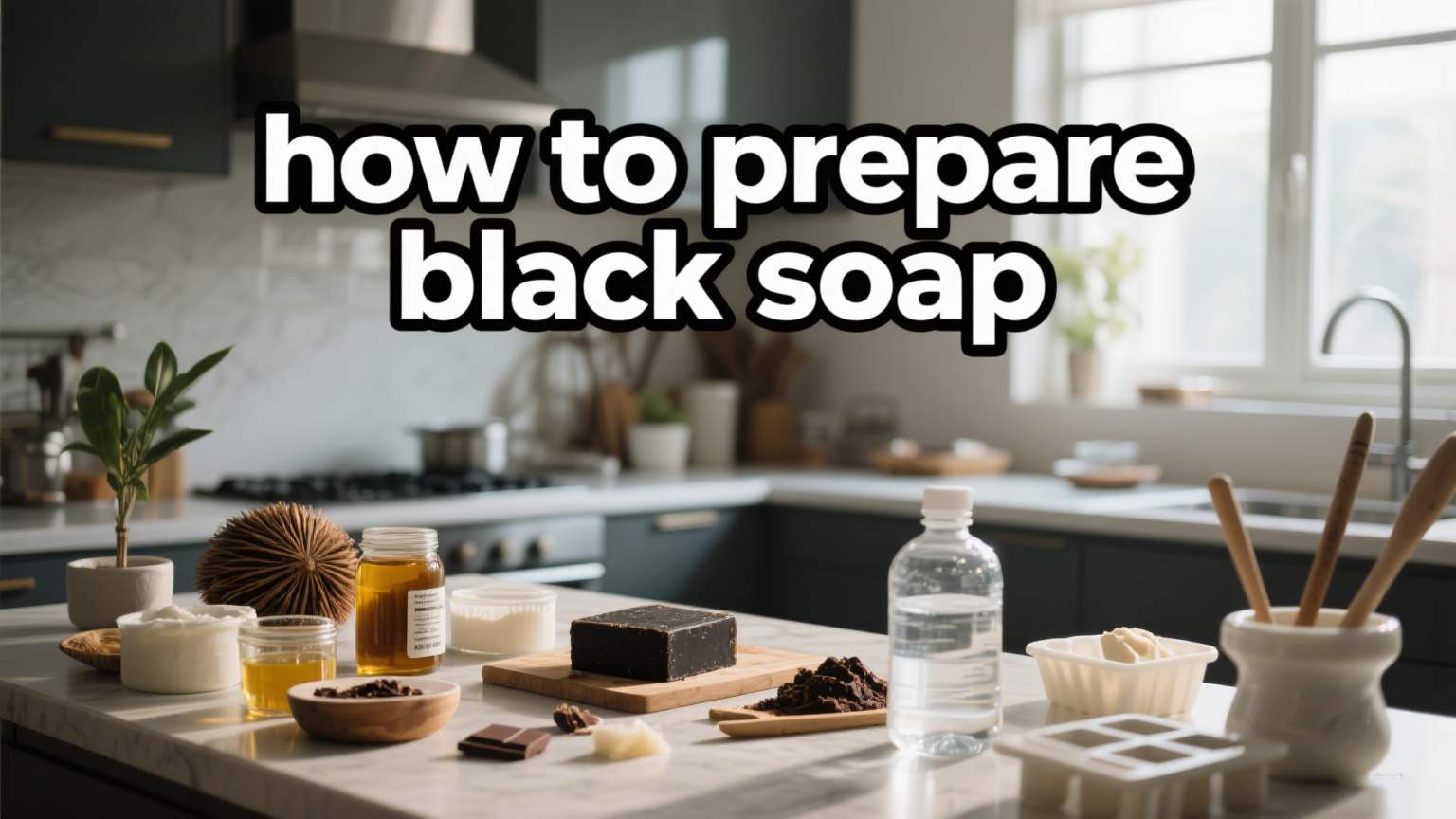
In this guide, we'll walk you through how to prepare black soap from scratch: from gathering authentic ingredients like plantain skin ash and shea butter, to mixing and molding your very first batch. Whether you're crafting it for personal skincare, small business, or sheer curiosity, this step-by-step guide will give you everything you need to get started-safely, sustainably, and beautifully.
What It Is & Why Make It Yourself
What is African Black Soap?
Is Black Soap Really Black?
Real black soap is not pitch black, even though its name says it is. The hue can be brown or dark gray, depending on how much ash and oil is in it. The texture is generally soft, crumbly, and a little sticky, which shows that it is raw and unprocessed.
Why do it yourself?
You can buy black soap at the shop, but making your own gives you full control over the quality of the ingredients, the smell, and how well it works with your skin. You can:
- Stay away from synthetic ingredients and strong preservatives.
- Make it work for skin that is dry, sensitive, or prone to acne.
- If you buy raw materials responsibly, support sustainable, fair-trade sources.
- Making black soap yourself also connects you to West African traditions that go back hundreds of years, which gives each bar you make more meaning.
Ingredient Glossary & Sourcing Tips
To make traditional African black soap, you'll need a blend of natural ingredients that each play a specific role in cleansing, moisturizing, and forming the soap itself. Below is a breakdown of the key components and how to source them.
Key Ingredients & Their Functions
| Ingredient | Role in Soap | Notes & Sourcing Tips |
|---|---|---|
| Plantain Skin Ash | Natural alkaline source for saponification | Sun-dried and burned; can be made at home or purchased from African ingredient suppliers |
| Cocoa Pod Ash | Adds color depth, minerals | Optional, used alongside plantain ash for authentic tone and scent |
| Shea Butter | Moisturizer; adds creaminess | Use unrefined, fair-trade shea butter for best results |
| Coconut Oil / Palm Oil | Produces lather and hardness | RSPO-certified palm oil recommended; can substitute with sunflower or olive oil |
| Water | Base for lye solution | Distilled or filtered water preferred |
| Optional Additives | For skin targeting | Honey (hydration), turmeric (brightening), neem oil (acne), tea tree oil (antibacterial), activated charcoal (deep cleansing) |
Where to Buy Ingredients
Local Options: West African markets, health food stores, and soap supply boutiques
Online: Etsy, Amazon, or specialty raw ingredient stores (e.g., Butters.Naturally, Baraka Shea, From Nature With Love)
In Bulk (for businesses): Consider direct suppliers from Ghana or Nigeria; look for certifications like USDA Organic or Fair For Life.
Before you begin making black soap, set up a clean, ventilated workspace and gather the following safety gear. Soap-making is a form of controlled chemistry, and a few precautions go a long way in protecting your skin, eyes, and lungs.
Safety Gear & Workspace Checklist
Before you begin making black soap, set up a clean, ventilated workspace and gather the following safety gear. Soap-making is a form of controlled chemistry, and a few precautions go a long way in protecting your skin, eyes, and lungs.
Essential Safety Equipment
| Item | Purpose | Notes |
|---|---|---|
| Gloves (Nitrile or Rubber) | Protects hands from ash or lye burns | Must cover wrists |
| Safety Goggles | Prevents splashes to eyes | Especially important during ash-water handling |
| Long-Sleeve Apron or Clothing | Covers skin from accidental contact | Cotton or chemical-resistant fabric |
| Ventilation or Mask (Optional) | Avoid inhaling ash dust or fumes | Open windows or use a mask if using dry ash |
| Heat-Resistant Containers | For mixing oils and ash water | Stainless steel or HDPE plastic recommended |
| Digital Thermometer | For monitoring oil and ash solution temps | Accuracy within ±1°C is ideal |
| Kitchen Scale | For precise ingredient measurement | Soap-making is a measured science |
Why Safety Is Non-Negotiable
Even though plant ash is "natural," the alkaline nature of the ash-water (similar to lye) can cause skin or eye irritation.
Hot oils combined with lye can result in sudden bubbling or splattering if temperatures are too far apart.
Accurate measurements are critical-not just for effectiveness, but to avoid an overly harsh or caustic final product.
Extra Precautions
Keep vinegar nearby – Vinegar (acetic acid) can neutralize mild alkali splashes on the skin.
Never mix ash water and oils in a closed container – Heat and gas buildup can cause pressure surges.
Keep pets and kids out of the workspace – Soap-making should be done in a distraction-free zone.
Formulating Your Batch – Choosing the Right Ratios
Before you begin mixing, it's essential to understand the role of each ingredient and how to balance them. A well-formulated batch ensures that your soap will cleanse effectively without over-drying or irritating the skin.
Key Formulation Principles
Ash-to-Water Ratio:
Use a 1:4 ratio of ash to water by weight. For example, 100 g of finely sifted plantain ash in 400 g of distilled water.
👉 Let this mixture sit for at least 24 hours, then strain to extract clear, lye-rich liquid from the top.
Oil Blend:
A good base mix for soft yet effective black soap looks like this:
| Oil | % of Total Oils | Function |
|---|---|---|
| Shea Butter | 30% | Deep moisture, creamy lather |
| Coconut Oil | 35% | Strong cleansing, hardens soap |
| Palm or Sunflower Oil | 35% | Balances texture and trace time |
(Substitute palm oil with sunflower or olive oil if going palm-free.)
Superfat Level:
A 5% superfat (extra oil beyond saponification) is ideal for most skin types. You can increase to 8% for sensitive or dry skin.
Sample Batch Formula (1kg Soap Output)
| Ingredient | Amount |
|---|---|
| Shea Butter | 150 g |
| Coconut Oil | 175 g |
| Palm Oil | 175 g |
| Plantain Ash | 75 g |
| Water (for ash extraction) | 300 g |
| Optional Add-ins (e.g. tea tree oil, honey, turmeric) | 10–20 g (1–2%) |
Use a lye calculator (like SoapCalc or Soapee) to adjust proportions if you're working with different oils or volumes.
Formulation Tips
Stick to weight measurements, not volume (cups/spoons), for precision.
Preheat oils gently before combining them with ash water, especially in hot process soap-making.
Always add ash water to oils, not the other way around, to reduce splash risk.
Step-by-Step Preparation Process
Now that your ingredients are measured and your workspace is set, it's time to make your first batch of African black soap. This step-by-step process follows the traditional hot method with modern safety practices.
Step 1: Extract the Ash Lye Solution
In a stainless steel or heatproof container, add 1 part sifted plantain ash to 4 parts distilled water.
Stir well and let the mixture sit for 24 hours.
Carefully pour out the top clear liquid (this is your ash lye), avoiding ash sediment at the bottom.
Optionally, filter through cheesecloth to remove finer particles.
Pro Tip: Wear gloves during this step-the solution is alkaline and can irritate skin.
Step 2: Melt and Combine Oils
In a separate stainless steel pot, add all oils (shea butter, coconut oil, palm oil).
Gently heat over low flame or double boiler until completely melted.
Let the oil mixture cool to around 45–50°C (113–122°F) before combining with lye solution.
Step 3: Combine Lye and Oils
Slowly pour the ash lye solution into the warm oil blend, stirring continuously with a wooden spoon or silicone spatula.
Stir gently but steadily for 15–30 minutes until the mixture thickens to a "trace" (pudding-like texture).
Optionally, add skin-friendly ingredients like tea tree oil, neem oil, turmeric, or honey at this stage.
Step 4: Cook the Soap (Hot Process Method)
On very low heat, continue stirring the mixture as it cooks for 30–60 minutes.
The soap will go through various phases: trace → gel → thick paste.
Once the paste turns dark brown and has no oily streaks, it's done.
Step 5: Mold and Cure
Pour the thick soap into a lined mold or silicone tray.
Let it sit for 24 hours to harden at room temperature.
Remove and cut into bars.
Curing (optional but recommended): Let the bars sit uncovered in a cool, dry space for 1–2 weeks. This improves hardness and longevity.
Storage, Shelf Life & Usage Tips
Once your black soap is cured and ready, it's important to store and use it correctly to preserve its quality and skin benefits.
Storage Tips
Keep it dry between uses
Store your soap on a well-draining soap dish-black soap tends to absorb moisture and can become mushy if left wet.
Tip: A wooden or slatted tray helps air-dry the bar faster.
Wrap or containerize unused bars
Store extra bars in wax paper, kraft wrap, or breathable containers. Avoid airtight plastic bags-they trap moisture and promote softening or mold.
Avoid heat & direct sunlight
Excessive heat can melt oils in the soap, especially shea butter, while sunlight may reduce its potency over time.
Shelf Life
Properly cured and stored black soap can last 12–18 months.
Over time, it may lose fragrance or darken in color, but still remains safe to use unless moldy or rancid-smelling.
How to Use Black Soap (Face & Body)
Lather it gently with water in hands or a sponge, rather than rubbing the bar directly on sensitive skin.
Use on face no more than once daily-it's powerful and can be drying if overused.
Follow with a hydrating toner or moisturizer, especially for dry or combination skin.
For hair or scalp use, dilute lather and avoid contact with eyes.
Common User Concerns & Fixes
| Issue | Likely Cause | What to Do |
|---|---|---|
| Soap feels too harsh | Too little superfat or over-cleansing oils | Rebatch with added shea or apply moisturizer after |
| Soap softens too quickly | Stored wet or too humid | Use drying tray & store in cool place |
| Causes irritation | Sensitive skin or overuse | Use every 2–3 days; patch test first |
FAQs – Common Questions About Black Soap Preparation
Q1: Can I use store-bought lye instead of plantain ash?
A: Yes, you can substitute plantain ash with food-grade sodium hydroxide (NaOH) or potassium hydroxide (KOH) if you want a more predictable saponification process. However, traditional black soap gets its authenticity and nutrients from plant ash, so the result may differ in color and texture.
Q2: Is black soap good for acne-prone skin?
A: Yes! Real African black soap is rich in antioxidants and natural antiseptics. It can help reduce acne by cleansing deeply and unclogging pores. For acne-prone users, consider adding neem oil or tea tree oil to your recipe. Always do a patch test before applying on your face.
Q3: Why is my black soap turning white or gray?
A: This is often caused by ash settling or mineral content in the soap. It's perfectly normal and doesn't affect the soap's effectiveness. If concerned, you can gently wipe off the outer layer or rebatch the soap.
Q4: Can I make a fragrance-free version of black soap?
A: Absolutely. Traditional black soap is often unscented, and its natural earthy aroma comes from the ash and oils. You can leave out essential oils entirely, or choose gentle options like lavender or chamomile if desired.
Q5: What's the difference between raw and commercial black soap?
A: Raw black soap is usually handmade, soft in texture, and free from artificial additives. Commercial black soap bars may contain added preservatives, coloring agents, or fragrance. Making it yourself ensures purity and customization.