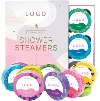

There's something almost decadent about stepping into a shower that smells like a high-end spa. The thing is, you don't need to drop fifteen bucks at a boutique to get there. With a few pantry-friendly ingredients and about twenty minutes of hands-on time, you can whip up a batch of shower steamers that hold their own against anything sold in a glossy little jar.
This guide walks you through the whole process - from what these little fizzy discs actually are, to the exact ratios that won't crumble on you, to the scent blends worth saving on your phone. Let's get into it.
What Exactly Is a Shower Steamer
Before you start measuring, it helps to understand what you're making and why each ingredient earns its place. Skipping this part is how people end up with a bowl of damp powder instead of a usable steamer.
Shower Steamers vs. Bath Bombs: Clearing Up the Confusion
People mix these up constantly, and it's an easy mistake. Bath bombs sit in tub water and dissolve slowly, releasing oils and color across the whole soak. Shower steamers, on the other hand, get placed on the shower floor (off to the side) where steam and a light spritz of water activate them.
They're denser, more compact, and built for aromatherapy rather than skin contact. You're not soaking in them - you're breathing them in.
The Role of Epsom Salt in Homemade Aromatherapy Shower Tablets
Epsom salt is the unsung hero here. It adds physical weight so your steamer doesn't skid across the tile, and the magnesium sulfate crystals slow down the chemical reaction between baking soda and citric acid. That slower fizz means a longer-lasting steam cloud - sometimes stretching a single steamer to ten or twelve minutes of scent release.
Without it, you'd get a quick burst and then nothing. With it, you get a sustained, spa-like experience.
Why DIY Beats Store-Bought
A pack of four shower steamers at most wellness shops runs $12 to $18. Making them at home? You're looking at roughly 50 to 80 cents per steamer, depending on your essential oil choices. You also dodge the synthetic fragrances and mystery binders that show up in mass-market versions.
Plus, you get to control the scent intensity, which honestly is the biggest win.

Ingredients And Tools You Actually Need
Here's the short list. Don't overthink it - most of this is probably already in your kitchen.
The Core Four: Baking Soda, Citric Acid, Epsom Salt, Essential Oils
The standard ratio that works for most people: 1 cup baking soda, 1/2 cup citric acid, 1/4 cup Epsom salt, and 15–25 drops of essential oil per batch. Baking soda and citric acid steamers fizz because of the acid-base reaction; everything else shapes how that reaction plays out.
For citric acid, food-grade works fine. You can find it in the canning aisle or order it online for cheaper.
Choosing Essential Oils for Mood and Function
This is where personality comes in. Eucalyptus menthol shower bombs are the go-to when you're stuffed up or fighting a cold. Lavender skews calming and works beautifully for evening showers. Citrus oils - grapefruit, sweet orange, bergamot - wake you up without feeling aggressive.
Stick to therapeutic-grade oils if you can. The cheap stuff often smells synthetic the moment heat hits it.
Molds, Mixing Bowls, And One Tool People Always Forget
Silicone molds are the easiest by far - pop the steamers out cleanly once they're set. Muffin tins work if you line them, but the edges tend to chip. The tool nobody mentions until it's too late? A small spray bottle filled with witch hazel. You'll use it to bind the mixture without setting off the fizz prematurely.
Step-By-Step: The Essential Oil Shower Melts Recipe
Alright, here's the actual method. Read through it once before starting - it'll save you a do-over.
Step 1: Measuring Dry Ingredients
Sift your baking soda and citric acid into a large mixing bowl. Sifting matters more than you'd think - lumps trap moisture and lead to weak spots in your finished steamers. Add the Epsom salt last and whisk everything together until the color is uniform.
Step 2: Adding Essential Oils Without Triggering Early Fizz
Drop your essential oils in slowly, stirring as you go. Then mist witch hazel - never water - onto the mixture, one or two sprays at a time. Water activates the reaction immediately; witch hazel binds without setting it off. You want the mix to clump when squeezed, like damp sand.
If you hear fizzing, you've gone too fast. Keep mixing and it'll settle.
Step 3: Pressing And Setting the Steamers
Pack the mixture into your molds firmly. Like, really firmly - press it down with the back of a spoon or your thumb. Loose packing is the #1 cause of crumbly steamers. Let them sit undisturbed for 12 to 24 hours in a dry spot. Humid kitchens or bathrooms will sabotage this step.
Step 4: Curing And Storing for Maximum Shelf Life
Once they're fully hardened, transfer them to an airtight jar or zip-top bag. Glass works best for preserving scent. Stored properly, the aroma holds strong for about four to six weeks. After that, they'll still fizz but the scent gets faint.
Scent Blends Worth Trying This Season
Once you've nailed the base recipe, the fun starts. Here are three combinations that consistently impress.
Eucalyptus + Peppermint: The Classic Decongestant
Use 10 drops eucalyptus and 8 drops peppermint per batch. This pairing cuts through stuffiness like nothing else and works year-round - spring allergies, winter colds, dry indoor air.
Lavender + Cedarwood: Wind-Down Blend
Try 12 drops lavender and 6 drops cedarwood. The cedarwood grounds the lavender so it doesn't read as overly floral. Save these for evening showers before bed.
Grapefruit + Rosemary: Morning Wake-Up
Go with 10 drops pink grapefruit and 8 drops rosemary. Bright, herbal, and a little unexpected. Perfect for slow mornings when coffee alone isn't cutting it.
Troubleshooting Common DIY Spa-Grade Shower Fizzies Problems
Things go sideways sometimes. Here's how to fix the most common issues.
Why Your Steamers Crumble When You Touch Them
Almost always a binder issue. Either you didn't use enough witch hazel, or your salt-to-baking-soda ratio leaned too heavy on the salt. Crumble the batch back into the bowl, mist a few more sprays of witch hazel, and re-press. They'll usually recover.
Why The Scent Fades Halfway Through Your Shower
Two fixes here. First, you can top off each steamer with a few extra drops of essential oil right before use. Second, try breaking the steamer in half - more surface area means a stronger, faster release. Refresh sprays (witch hazel plus oil) also work for older batches.
Why They Fizz Too Fast Or Not At All
Old citric acid loses potency, so check the date on yours. If they're not fizzing at all, that's usually the culprit. Fizzing too fast? You're placing them too close to the water stream. Move them to the corner.

How To Use Your Finished Shower Steamers
You'd be surprised how much placement matters.
Best Spot in the Shower (Hint: Not Directly Under the Water)
Place the steamer in the corner of the shower floor, where it'll catch splashes and steam but won't get blasted by the main water stream. Direct water makes it dissolve in under a minute, which defeats the whole purpose.
Pairing With Breathwork Or Stretching
If you're already in there for ten minutes, lean into it. A few slow box breaths or a forward fold under the eucalyptus steam turns a regular shower into something closer to a sauna session. It's a small ritual, but it adds up.
Safety Notes And Skin Considerations
Quick but important - most recipe blogs gloss over this part.
Essential Oil Dilution And Sensitive Skin
Stick to 20–25 drops total per batch unless you have a high tolerance for strong scents. Patch test new oils on your inner wrist 24 hours before using. Avoid clary sage, rosemary, and certain citrus oils during pregnancy - check with your doctor if you're unsure.
Pets, Kids, And Asthma Triggers
Eucalyptus and peppermint can be rough on cats, dogs, and young children. Crack a window if anyone in the household is sensitive, and avoid storing finished steamers where pets can reach them. If anyone has asthma, start with milder oils like lavender and see how they tolerate it.
Frequently Asked Questions
Q: How Long Do Homemade Shower Steamers Last?
A: Typically 4–6 weeks in an airtight container before the scent noticeably weakens. The fizz itself can last longer, but the aromatherapy benefits fade as the essential oils evaporate.
Q: Can I Use Table Salt Instead Of Epsom Salt?
A: Technically yes, practically disappointing. Table salt is too fine to add the weight and slow-release quality Epsom salt provides. You'll get a steamer that fizzes too fast and doesn't hold its shape as well.
Q: Do Shower Steamers Actually Help With Congestion?
A: Eucalyptus and peppermint oils contain compounds (cineole and menthol) that may help open airways and ease the sensation of stuffiness. They're not a cure, but plenty of people find real relief from them during cold and allergy season.
Q: Can I Make These Without Citric Acid?
A: You can substitute cream of tartar in a pinch, though the fizz will be milder and the steam release less dramatic. Some recipes also use lemon juice powder, but the scent and reaction strength varies.
Q: How Many Steamers Does One Batch Make?
A: Using a standard six-cavity silicone mold, one batch produces about 6 to 8 steamers, depending on how deeply you fill each cavity. Smaller molds will obviously yield more.
Q: Are DIY Shower Steamers Cheaper Than Store-Bought?
A: Significantly. Once you've stocked your essential oils, each homemade steamer costs roughly 50–80 cents versus $3–$4.50 each from boutique brands. The upfront oil investment pays off after two or three batches.