
People love Himalayan pink salt because it comes from nature, has a lot of minerals, and is a pretty pink color. It's used in everything from fancy kitchens to fancy bath products, but how mineral-rich is it really? One question that people who care about their health often ask is:
Does Himalayan salt have magnesium?

We'll answer that question in this post by giving you data, comparisons, and useful health suggestions so you can make smart choices about the salt you use.
Why People Care About Minerals in Salt
There has been a growing trend toward natural wellness and clean beauty in recent years. Himalayan salt is a perfect complement for this trend. Because it is not refined and has trace minerals in it, it has become a popular substitute for ordinary table salt, which is typically stripped of minerals and added to with chemicals.
People actively look for magnesium since it is an important mineral that helps with:
- Muscle relaxation
- Nervous system support
- Sleep quality
- Energy metabolism
So, of course, a lot of people want to know if Himalayan salt can help them get more magnesium every day.
What Is Himalayan Salt? A Quick Overview
Himalayan salt is a form of rock salt (halite) that comes from old salt sources near the Himalayan mountains in Pakistan. Because it doesn't go through much processing, it keeps its natural mineral profile.
Key features:
- Naturally pink because it has small amounts of iron oxide in it.
- Has more than 80 trace minerals in it
- Used in bath products, skin care, and cooking
- Sold as a "healthier" salt substitute
But is it actually a good source of magnesium? Let's find out.
Does Himalayan Salt Have Magnesium?
Yes, Himalayan salt does have magnesium in it, but only in very little doses.
Tests of the mineral composition show that magnesium is there in extremely minute amounts, commonly measured in parts per million (ppm). It doesn't have enough of it to meet daily dietary needs or provide a lot of extra nutrients.
How Much Magnesium Is in Himalayan Salt Compared to Other Salts?
Here's a comparative look at how much magnesium is found in different types of salts:
| Salt Type | Magnesium Content | Remarks |
|---|---|---|
| Himalayan Pink Salt | ~1–4 mg per 100g | Trace level only |
| Sea Salt | ~0.3–3 mg per 100g | Similar trace level |
| Refined Table Salt | ~0 mg | Typically stripped of all minerals |
| Epsom Salt (Magnesium Sulfate) | 10,000+ mg per 100g (pure MgSO₄) | Not for eating; used in baths for magnesium absorption |
Epsom salt is the only salt on this list that has a lot of magnesium, but you can't eat it. Himalayan salt has more minerals than normal salt, however it doesn't have enough magnesium for medicinal or nutritional purposes.
Health Benefits of Magnesium – and Can Salt Deliver Them?
Magnesium is a vital mineral involved in over 300 biochemical reactions in the body. Some key benefits include:
- Relieving muscle cramps and tension
- Supporting heart and nerve function
- Regulating blood sugar and blood pressure
- Promoting deeper sleep and relaxation
However, the recommended daily allowance (RDA) for magnesium is:
- 310–320 mg/day for women
- 400–420 mg/day for men
Since Himalayan salt only has about 1–4 mg of magnesium per 100 grams, you would have to eat a lot of it, which is not healthy, to acquire even 10% of your daily magnesium.
Best Ways to Use Himalayan Salt for Wellness
Himalayan salt is not a magnesium supplement, but it is a great ingredient for health and skin care when utilized in the following ways:
Baths with Himalayan salt
- Helps muscles relax and feel better when they're fatigued.
- Often used with magnesium flakes or Epsom salt to make it work better.
Salt Scrubs and Soaps:
- Natural Exfoliation
- Added magnesium and essential oils to nourish the skin
In Cooking:
- Adds trace minerals and a mild taste
- A better choice for your health than refined table salt
Common Myths About Himalayan Salt and Magnesium
Let's bust a few common misconceptions:
| Myth | Reality |
|---|---|
| "Himalayan salt is high in magnesium." | ❌ It only contains trace amounts. |
| "You can get enough magnesium by switching to pink salt." | ❌ Not possible through dietary intake alone. |
| "All-natural salts are great magnesium sources." | ❌ Most natural salts contain very little magnesium. |
| "Bathing in Himalayan salt boosts magnesium levels." | ✅ Only if combined with magnesium flakes or Epsom salts. |
Should You Use Himalayan Salt for Magnesium Supplementation?
The answer is no: Himalayan salt is not a good way to get more magnesium.
If you need to get more magnesium, think about:
- Spinach, almonds, lentils, and whole grains are all foods high in magnesium.
- Magnesium pills or powders that you use as supplements
- Magnesium sprays or oils that you put on your skin
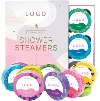
- Baths using Epsom salt or bath bombs/steamers that have magnesium in them
That being said, Himalayan salt can be part of a healthy habit when used with other items that are high in magnesium.
FAQ: People Also Ask
Q: Does Himalayan salt have more magnesium than regular salt?
A: A little, although both only have very little amounts.
Q: Is it possible to get magnesium via salt baths?
A: Only if the bath has magnesium salts in it, such Epsom salt or magnesium chloride flakes.
Q: What kind of salt is best for getting magnesium?
A: Epsom salt for topical absorption and foods high in magnesium for diet.
Q: Is magnesium chloride better than salt from the Himalayas?
A: Yes, magnesium chloride is much better for magnesium supplementation.