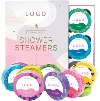

What Exactly Is a Bath Bomb - And Why All the Hype?
More Than Just a Colorful Fizz
At its core, a bath bomb is a compact mixture of sodium bicarbonate (baking soda) and citric acid. When it hits water, the two react and create that signature fizz and dissolve into swirling color. That's the basic chemistry.
But modern bath fizzies have come a long way from being just a novelty item. Makers now pack them with essential oils, shea butter, coconut oil, botanical extracts, and skin-conditioning ingredients that actually benefit your body. They've evolved from "fun bath thing" to a legitimate at-home wellness product.
Who's Actually Using Them?
There's a misconception that bath bombs are strictly for the "spa girl" demographic. In reality, the appeal cuts across age groups and genders. Athletes use them for muscle recovery soaks. Parents use them as a wind-down ritual. Plenty of guys have quietly discovered they enjoy a good aromatherapy soak after a long day - they just don't post about it.
The broader trend here is affordable self-care. People want small, accessible rituals that don't require appointments, memberships, or a lot of money. Bath bombs fit that perfectly.

Reason #1 - They Turn an Ordinary Bath Into an Aromatherapy Soak
How Essential Oils Work in Warm Water
Here's what makes this more than just "nice smelling water." When you drop an essential oil bath product into warm water, the heat causes volatile aromatic compounds to evaporate into the steam you're breathing. Lavender, eucalyptus, citrus - each has distinct properties that interact with your olfactory system and, by extension, your mood.
There's a meaningful difference between synthetic fragrance and actual essential oils. Synthetic scents can smell pleasant, sure, but they don't carry the same therapeutic compounds. Real lavender essential oil contains linalool, which research has consistently linked to reduced anxiety markers. A cheap knockoff just smells like lavender without the functional benefit.
This isn't woo-woo stuff. Aromatherapy has a legitimate physiological basis, even if the wellness industry sometimes oversells it.
Picking Scents That Match Your Mood
Think of it like choosing a playlist for your bath. Different scents serve different purposes:
Calming: Lavender, chamomile, ylang-ylang - best for evening wind-downs
Energizing: Peppermint, grapefruit, lemon - good for morning baths or midday resets
Grounding: Cedarwood, sandalwood, frankincense - when you need to feel centered
You don't need to overthink this. Grab whatever scent appeals to you in the moment and see how it lands.
Reason #2 - Serious Skin Moisturizing Without Extra Steps
Ingredients That Do the Heavy Lifting
A skin moisturizing bath is fundamentally different from just sitting in plain water. Plain water can actually dry your skin out - it strips natural oils if you soak too long without any protective barrier. Bath bombs formulated with shea butter, coconut oil, or cocoa butter create a thin emollient layer in the water that coats your skin as you soak.
The fizzing action isn't just theatrical either. It helps disperse those oils and butters evenly throughout the tub instead of leaving them floating in one greasy patch on the surface. You come out feeling genuinely soft, not like you need to immediately slather on lotion.
Great for Dry or Sensitive Skin (With a Caveat)
If you're prone to dry patches - especially during winter months - a butter-rich bath bomb can supplement your moisturizing routine without adding another step. The soak allows ingredients to sit on your skin for an extended period, which is something a quick shower with body lotion can't replicate.
That said, a word of caution: if you have reactive skin or known allergies, read ingredient lists carefully. Some bath bombs contain synthetic dyes, fragrances, or glitter that can irritate sensitive skin. Look for options labeled as gentle or hypoallergenic, and maybe do a small patch test if you're unsure.
Reason #3 - Stress Relief That Actually Feels Accessible
You Don't Need a Spa Appointment
A professional spa treatment runs anywhere from $80 to $200+ for an hour. A quality bath bomb costs between $5 and $15. The experience obviously isn't identical, but the underlying principle - intentional sensory relaxation - is the same.
There's genuine psychological value in ritual. Even 20 minutes of intentional downtime, where you've deliberately created an environment for yourself, signals to your nervous system that it's okay to stand down. It's not about the product being magic. It's about the act of choosing to pause.
A relaxing bubble bath experience doesn't require a fancy bathroom or expensive products. It requires intention. The bath bomb just makes that intention a little easier to commit to.
The Sensory Experience Factor
What makes bath bombs particularly effective for relaxation is that they engage multiple senses simultaneously. You've got visual stimulation from the colors dissolving and swirling. You've got scent from the essential oils. You've got the tactile sensation of warm water and fizzing against your skin. You might even hear the gentle crackling.
Multi-sensory experiences tend to pull you out of your head more effectively than single-channel approaches. Compared to, say, just lying on your couch trying to relax while your phone buzzes nearby - the bath creates an environment that's harder for your anxious brain to override.
Reason #4 - They Can Help You Sleep Better
The Warm Bath + Aromatherapy Sleep Connection
This one has solid science behind it. When you take a warm bath, your core body temperature rises. When you get out, it drops relatively quickly. That temperature decline mimics what your body does naturally as it prepares for sleep - it's a signal to your circadian system that it's time to wind down.
Research suggests the ideal timing is about 60 to 90 minutes before bed. Layer in a calming scent like lavender, and you're stacking two sleep-promoting mechanisms on top of each other. Neither is a cure for insomnia, but together they create conditions that make falling asleep easier.
Building a Wind-Down Routine That Sticks
The hardest part of any habit is consistency. Bath bombs work as what behavioral scientists call an "anchor habit" - something enjoyable enough that you actually want to do it, which makes repetition natural rather than forced.
Compare this to the common evening "wind-down" of scrolling your phone in bed. We all know that backfires - blue light, stimulating content, infinite scroll mechanics. A bath is the opposite. It's finite, contained, and physically incompatible with doom-scrolling (unless you're braver with your phone than I am).

Reason #5 - They're a Ridiculously Easy Entry Point Into Self-Care
Low Commitment, High Reward
No learning curve. No special equipment. No subscription. No app. You fill a tub, drop in a ball, and sit there. That's it.
The price point makes experimentation basically risk-free. If you try one and hate it - unlikely, but possible - you're out five bucks and you had a warm bath. The worst-case scenario is still a bath. The affordable entry point also makes them a solid gift for someone you think could use a nudge toward taking care of themselves.
A Gateway to Exploring What Works for You
For a lot of people, bath bombs become a starting point rather than a final destination. Some folks try them and discover they actually prefer bath salts for muscle soreness, or milk baths for skin hydration, or just straight essential oils added to water.
That's completely fine. The point isn't brand loyalty or product loyalty. It's about finding what genuinely makes your body feel good and building that into your life. Bath bombs just happen to be one of the lowest-friction ways to start that exploration.
How to Choose Your First Bath Bomb
Ingredients: Look for natural essential oils rather than "fragrance" (which can mean anything). Bonus points for butters and botanical extracts listed near the top.
Colorants: If you're worried about staining your tub, choose bombs that use water-soluble dyes or skip colors entirely. Mica-based colors are generally tub-safe.
Size: Standard bath bombs are around 4-5 oz. Bigger ones fizz longer and release more product. For your first try, standard size is plenty.
Where to Start If You're Overwhelmed by Options
There are hundreds of options out there, which can create decision paralysis. My suggestion: start simple. A straightforward lavender or citrus bath bomb from a brand with readable ingredient lists. Nothing too fancy, nothing with 47 colors and hidden glitter surprises.
Sampler packs are also great for first-timers. You get three to six different options without committing to a full-size bomb in a scent you might not love. Less pressure, more variety.
Final Thought - It's Just a Bath, But It Might Surprise You
I'm not going to pretend a bath bomb will change your life. It won't fix your problems or replace therapy or make your commute shorter. But it might give you 20 to 30 minutes of genuine, low-effort comfort in a week that otherwise felt relentless.
Worst case? You had a nice-smelling bath. Best case? You discover a small ritual that helps you decompress, sleep better, and actually enjoy taking care of yourself. Either outcome seems worth the five bucks. Just try one and see what happens.
FAQ
Q: Are Bath Bombs Safe For Sensitive Skin?
A: Most are, but it depends on the specific formula. Avoid bombs with heavy synthetic fragrances, artificial dyes, or glitter if your skin tends to react. Look for options specifically marketed as gentle or for sensitive skin. When in doubt, do a small patch test - dissolve a tiny piece in water and apply to your inner wrist before committing to a full soak.
Q: Do Bath Bombs Actually Clean You?
A: No, and they're not meant to. Bath bombs are a relaxation and skin-conditioning product, not a soap replacement. You'll still want to shower or use soap for actual cleaning. Think of them as the equivalent of a face mask - a treatment, not a cleanser.
Q: Can Bath Bombs Clog Your Drain?
A: Standard bath bombs dissolve completely and won't cause plumbing issues. However, some contain flower petals, dried herbs, or chunky glitter that can accumulate in drains over time. If your bomb has physical add-ins, consider using a drain catch or rinsing the tub thoroughly afterward. Avoid flushing large petal pieces down the drain.
Q: How Often Can You Use Them?
A: As often as you'd like, generally speaking. There's no medical limit. That said, if you're using them daily and notice your skin feeling dry or irritated, scale back or switch to a formula with more moisturizing ingredients and fewer dyes. Two to three times a week is a comfortable frequency for most people.
Q: Are Bath Bombs Safe For Kids?
A: Many bath bombs are kid-friendly, and some brands specifically make them for children. For young kids, opt for dye-free or lightly colored options with minimal fragrance. Avoid anything with essential oils that might be too strong for small children (like peppermint or eucalyptus). Always supervise bath time regardless of what's in the water.