
Scroll through Pinterest for five minutes and you'll trip over at least three "miracle" laundry soap recipes. Grate a bar of soap, toss in some washing soda and borax, and boom - you're saving the planet and a few bucks. At least, that's the pitch.
But talk to appliance repair techs, dermatologists, or anyone who actually tests textiles for a living, and a different story emerges. The homemade laundry soap trend is quietly causing damage that doesn't show up until months later - to clothes, machines, and even skin. Here's the honest breakdown.
What People Usually Mean by "Homemade Laundry Soap"
Before we get into why it's a problem, let's make sure we're talking about the same thing. Most DIY recipes online follow a near-identical template.
The Classic Recipe Floating Around Online
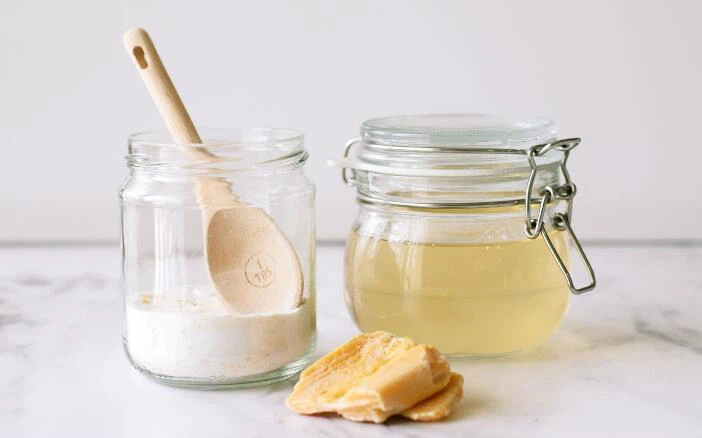
It's almost always three ingredients: a grated bar soap (Fels-Naptha, Zote, or Castile), washing soda, and borax. Sometimes a splash of essential oil for that "fresh linen" vibe.
The appeal is obvious. It's cheap, it feels old-fashioned in a comforting way, and it sounds more "natural" than the colorful bottles at Target. What's not to love?
Soap vs. Detergent - They're Not the Same Thing
Here's where things get sticky. Soap and detergent are not interchangeable, even though we use the words like they are. Soap is made from fats and lye. Detergent is made from synthetic surfactants designed to work in modern water conditions.
That single distinction is the root of nearly every issue we're about to cover.
The Core Problem: It's Soap, Not Detergent
If you remember one thing from this article, make it this section. Everything else flows from it.
Why Modern Washing Machines Were Built for Detergent
Front-loaders, HE top-loaders, and pretty much every washer made in the last twenty years was engineered around low-sudsing synthetic detergent. They use less water and rely on chemistry, not volume, to lift dirt.
Pour in soap shavings instead, and you've already created a mismatch from load one. The machine can't rinse it all out - there simply isn't enough water in the cycle.
Hard Water Turns Homemade Soap Into Scum
Most U.S. homes have moderately hard water, which means it's loaded with calcium and magnesium. When soap meets those minerals, it doesn't dissolve - it curdles. That gray film on your whites? That's not leftover dirt. It's soap curd bonded to your fibers.
Why You Might Not Notice at First
This is the sneaky part. Buildup is gradual. For the first few weeks, clothes feel "fine." Then one day you pull out a towel that feels weirdly stiff, smells off, and you can't figure out why. That's the residue catching up with you.
What Homemade Laundry Soap Actually Does to Your Clothes
Let's get specific. This is where the savings argument starts to fall apart.
Soap Scum Buildup in Fabrics
Towels lose their fluff and absorbency. Workout shirts develop a permanent funk that no amount of rewashing fixes. Black jeans look chalky. Even mainstream brands like Tide and Persil have published care notes warning about residue-based graying - and they're describing exactly what homemade soap does at scale.
The "Clean Smell" Illusion
Essential oils smell amazing. They also don't clean anything. A lavender-scented shirt can still be coated in body oils, dead skin cells, and bacteria. Fragrance is masking, not cleaning, and that's an important difference.
Permanent Damage to Performance Fabrics
Athletic wear is where I see the most heartbreak. Moisture-wicking shirts, waterproof jackets, compression tights - they're engineered with microscopic channels and coatings. Soap residue clogs all of it. Once the wicking is gone, it's gone. You can't strip your way back to factory performance.
What It Does to Your Washing Machine
Your clothes are one thing. Your $1,200 front-loader is another.
Clogged Hoses, Pumps, and Drain Lines
Soap curd doesn't politely exit through the drain. It coats the inside of hoses, settles in the pump, and slowly narrows the drain pathway. Months go by, and one day the machine throws an error code mid-cycle.
Voided Warranties
This catches people off guard. LG, Samsung, Whirlpool, and most major brands explicitly require HE-certified detergent in the fine print. A technician can usually tell within minutes whether residue is the culprit, and once they flag it, your warranty claim is denied.
The Repair Bill Reality
A drain pump replacement on a front-loader typically runs $250 to $450 with labor. A drain motor can hit $600. That wipes out years of supposed savings from a giant tub of DIY soap.
Mold and Odor in the Drum
That sour, mildewy smell some washers get? Residue is a big part of it. Soap curd traps moisture in the gasket and drum seams, and biofilm thrives on the organic film. It's a buffet for the stuff that makes laundry smell bad.
The Skin and Health Side Nobody Talks About
Most articles stop at appliance damage. I want to push further, because this is where I think the trend deserves the most pushback.
Borax Isn't as Innocent as It Sounds
The European Union classifies borax as a substance of very high concern, particularly for reproductive health at higher exposures. It's not poison in your laundry room, but it's also not the harmless mineral DIY blogs make it out to be. Dermatologists routinely flag it for sensitive skin.
Residue Irritation and "Mystery" Rashes
Here's the thing: soap residue sits on fabric, which then sits against your skin all day. Underwear, pajamas, bedsheets - that's hours of contact. A lot of "mystery" rashes and unexplained itchiness trace back to laundry chemistry that didn't fully rinse out.
Why Pediatricians Often Advise Against DIY Mixes
Infant skin is thinner and more reactive, and babies basically live in their laundry. It's not fear-mongering to suggest sticking with a tested, fragrance-free formula for crib sheets and onesies. Pediatricians lean this way for a reason.
The Myth of Savings
This is the heart of the DIY pitch, so let's look at it honestly.
Real Cost Per Load Comparison
Bulk store-brand HE detergent works out to roughly 10 to 15 cents per load. Homemade soap, depending on ingredients, runs anywhere from 5 to 10 cents. We're talking pennies, not dollars. The "I save hundreds a year" claim only holds if you ignore the actual math.
Hidden Costs Most Recipes Ignore
Rewashing dingy loads that didn't come out clean the first time
Replacing towels and athletic wear that residue ruined
Appliance servicing or premature replacement
Vinegar, oxygen bleach, and stripping agents people add to fix the very problem the soap created
When DIY Actually Makes Sense
I'm not anti-DIY, to be clear. Hand-washing a wool sweater with a little Castile soap? Fine. Camping or off-grid living where modern detergent isn't practical? Absolutely. The argument isn't that homemade soap is evil - it's that machine laundry isn't the place for it.
Better Alternatives If You Want Cleaner, Greener Laundry
If your motivation is environmental, you have way better options now than you did even five years ago.
Detergent Sheets and Concentrates
Sheets and ultra-concentrates dramatically cut packaging waste, ship lighter, and come pre-measured so you stop over-pouring. Most are HE-compatible by design.
Simple Habits That Beat Any Homemade Recipe
Stop overloading the drum - clothes need room to tumble
Match water temperature to the fabric and soil level
Run a monthly tub-clean cycle
Wash items less often when they're not truly dirty
The Bottom Line
I get the appeal. There's something genuinely satisfying about a row of mason jars filled with stuff you made yourself, and the idea that big brands have been overcharging us for soapy water is, honestly, not entirely wrong.
But homemade laundry soap solves the wrong problem. It saves pennies while quietly chewing through your towels, your activewear, and eventually your washer. The smarter move isn't necessarily a more expensive detergent - it's a better-chosen one, used in smaller amounts, in a machine you're not slowly clogging from the inside out.
Your clothes will last longer. Your skin will thank you. And you'll spend exactly the same amount of time doing laundry either way.

FAQ
Q: Is Homemade Laundry Soap Ever Safe To Use?
A: For occasional hand-washing of sturdy items, sure. For your washing machine and regular wardrobe, it's a long-term loss every time.
Q: Can Vinegar Fix The Residue Problem?
A: Vinegar helps slightly by acidifying the rinse, but it doesn't undo months of buildup. And if you add it to the wash cycle at the wrong time, it can neutralize whatever cleaning power your soap had to begin with.
Q: What About Castile Soap - Isn't That Gentler?
A: Dr. Bronner's gets a lot of love, and it's a fine product for what it is. But it's still soap, and it still reacts with hard water exactly the same way. Gentler on skin, not gentler on your washer.
Q: Will One Or Two Loads Of Homemade Soap Ruin My Washer?
A: No. One or two loads won't do meaningful damage. The trouble is cumulative - six months to a couple of years in, you'll start seeing the consequences.
Q: How Do I Strip The Buildup From Clothes I've Already Washed In Homemade Soap?
A: A laundry stripping soak works well: hot water, washing soda, and an oxygen-based booster like OxiClean. Soak for four to six hours, stirring occasionally, then run the items through a normal wash with real detergent. The water turning brown is the residue leaving the fabric.
Q: Is Store-Bought Detergent Really Better For The Environment?
A: Modern eco-detergents have closed most of the gap, and when you factor in the textile and appliance waste DIY soap generates, the math often tilts in favor of a well-chosen commercial product. Greener doesn't always mean homemade.