
So you swallowed a bit of soap, or your kid did, or you're just lying awake wondering. Either way, you want a straight answer without the panic. This is a calm walkthrough of what soap actually does inside your body, when it's nothing to worry about, and when you really do need to act.
First Things First: Don't Panic
Here's the comforting truth: a tiny taste of regular hand or bar soap almost never leads to anything worse than a foul taste and maybe an upset stomach. Your body is pretty good at rejecting things it doesn't like.
That said, not all soap is created equal. A lick of bar soap and a mouthful of concentrated detergent are completely different situations. One is a minor annoyance. The other can land someone in the emergency room.
Why People Eat Soap in the First Place
It happens more than you'd think. Toddlers are the usual culprits-everything goes in the mouth. Curiosity plus a bar that smells like fruit is a recipe for trouble.
Adults aren't immune either. People accidentally swallow a bit while showering, mistake a fancy soap for a treat, or, in rarer cases, deal with a condition called pica that creates cravings for non-food items. No judgment here. These things just happen.
The Short Answer
A small amount of mild soap usually causes nausea, a bad taste, and maybe some vomiting that passes on its own. The real danger comes from strong cleaners, detergent pods, or large quantities. When in doubt, call Poison Control-and read on for the details.
What Soap Actually Is
Soap works by grabbing onto grease and dirt so water can rinse it away. That same property-lifting oil off your hands-is what irritates your insides when you swallow it. Your stomach lining isn't built to be scrubbed.
You don't need a chemistry degree to get this. Soap is designed to break things down. Your digestive tract reacts by trying to flush it out fast.
The Main Ingredients Doing the Damage
The biggest player is a group of chemicals called surfactants. They're the cleaning agents, and they're responsible for the foaming, the irritation, and the stomach upset.
Then there's leftover lye residue, added fragrances, dyes, and sometimes antibacterial agents. A gentle bar soap has fairly mild versions of these. A heavy-duty dish soap or industrial cleaner packs a much stronger punch-which is exactly why the source matters so much.
Bar Soap vs. Liquid Soap vs. Detergent Pods
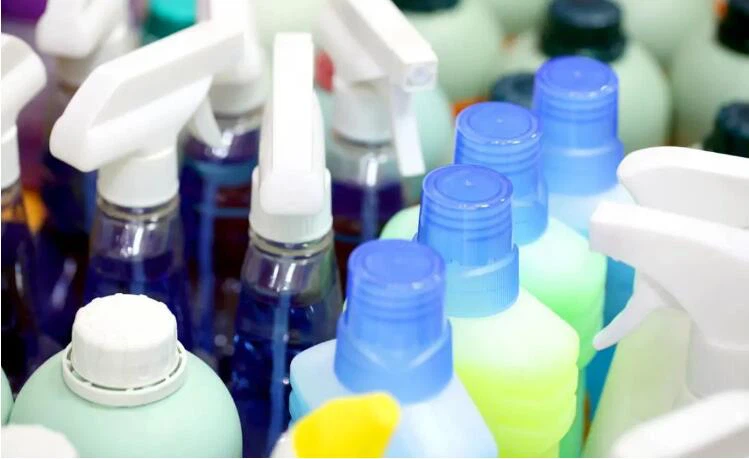
This is the distinction most articles skip, and it's the one that matters most. A bit of hand soap sits low on the worry scale. Concentrated liquid cleaners are a step up. Detergent pods are in a different league entirely.
Those little pods are packed with highly concentrated cleaner and burst quickly when bitten. Poison control centers have tracked thousands of pod-related calls involving young children over recent years, with a notable spike after they hit the market. For a small child, biting into one is a genuine emergency.
What Happens Inside Your Body, Step by Step
Knowing the timeline helps you tell normal from alarming. Here's roughly how it plays out for a typical accidental soap ingestion.
In the First Few Minutes
That awful taste hits immediately. You might feel burning or tingling in your mouth and throat, maybe a bit of gagging. This fast reaction is your body sounding the alarm-and honestly, it's a good thing. It tells you to stop and rinse.
Within the Hour: Soap Poisoning Symptoms
Over the next hour or so, the stomach gets involved. Common soap poisoning symptoms include nausea, vomiting, diarrhea, and cramping. Unpleasant, yes. But for a small amount of mild soap, it usually clears up without any lasting harm.
Think of it as your digestive system doing a hard reset. Not fun, but effective.

When It Gets Serious
Some signs mean you stop reading and start calling. Watch for trouble breathing, relentless vomiting, chemical burns inside the mouth, drooling that won't stop, or a sudden drop in alertness or blood pressure.
So, is soap toxic to humans? The honest answer: mild soap, mostly no. Strong industrial cleaners, drain products, or large amounts of concentrated detergent-absolutely yes. Those can cause real chemical injury, not just an upset stomach.
What To Do After Swallowing Soap
Here's the part worth saving. Knowing what to do after swallowing soap can make a real difference in how the situation plays out.
Do This Right Away
Rinse the mouth out with water and spit. Then take small sips of water or milk to dilute what made it down and soothe the throat. Stay calm and keep an eye on how things feel over the next little while.
One firm rule: do not try to make yourself or anyone else vomit. Forcing it back up means the soap passes through and irritates the throat a second time, and it raises the risk of breathing it into the lungs.
When To Call Poison Control or 911
In the U.S., call Poison Control at 1-800-222-1222. They're free, available around the clock, and far less judgmental than people fear. Outside the U.S., look up your local equivalent now so you have it ready.
Call 911 instead if there's trouble breathing, loss of consciousness, seizures, or signs of severe chemical burns. When a concentrated product or a child is involved, don't wait to see how it goes. Make the call.
What NOT To Do
Skip the old home remedies. Don't force vomiting, don't down vinegar or other random "neutralizers," and don't just wait it out if symptoms are getting worse. These myths tend to do more harm than good, and they waste time you might need.
Soap Chemical Side Effects You Might Not Expect
Swallowing isn't the only way soap causes trouble. The same incident often comes with a few extra side effects worth knowing about.
Skin and Eye Irritation
If soap splashes into the eyes during the chaos, expect stinging, redness, and watering. Flush the eye gently with clean water for several minutes. Broken or scraped skin can sting too, since the soap's chemicals reach more easily through a cut.
Repeated Exposure and Pica
For most people this is a one-off accident. But some folks repeatedly crave and eat non-food items like soap-a pattern called pica. That's not a character flaw. It's a sign worth bringing to a doctor, since it can point to nutritional gaps or other underlying issues that deserve real care.
Keeping Kids and Pets Safe
Prevention beats panic every time. Toddlers and pets are the most frequent victims, and a few small habits go a long way.
Store soaps, pods, and cleaners up high or in locked cabinets, well out of reach.
Keep detergent pods in their original child-resistant container-never loose in a bowl.
Choose fragrance-free or milder products where you can, especially with little ones around.
Don't leave bar soap sitting where a curious pet or child can grab it.
None of this requires turning your home into a fortress. Just a bit of thought about where things live.
The Bottom Line
For most everyday slip-ups, a small amount of mild soap causes a bad taste and a brief upset stomach-nothing more. The genuine danger lies with concentrated cleaners, detergent pods, and large amounts, especially when kids or pets are involved.
Rinse, sip, stay calm, and skip the home remedies. Whenever you're unsure how serious it is, pick up the phone and call Poison Control. It's free, fast, and exactly what they're there for.
FAQ
Q: Can A Tiny Taste Of Soap Actually Hurt Me?
A: For a small taste of regular hand or bar soap, you'll probably get a nasty flavor and maybe a queasy stomach. Lasting harm is very unlikely. Rinse your mouth, sip some water, and you'll most likely be fine.
Q: How Long Do Soap Poisoning Symptoms Last?
A: For minor cases, symptoms like nausea and stomach upset usually fade within a few hours to a day as your system clears it out. If they drag on past 24 hours or get worse instead of better, check in with a doctor or Poison Control.
Q: Is It Dangerous If My Dog Or Cat Ate Soap?
A: A small amount often just causes drooling, vomiting, or diarrhea in pets-much like in people. Concentrated cleaners and detergent pods are dangerous for animals too. Call your vet or a pet poison helpline if your pet ate a strong product or seems unwell.
Q: Are "Natural" Or Organic Soaps Safer To Swallow?
A: Not really. "Natural" describes the source of the ingredients, not whether they're safe to eat. These soaps still contain surfactants and oils that irritate your stomach, so don't assume an organic label means you can swallow it without consequence.
Q: Should I Induce Vomiting After Swallowing Soap?
A: No. Making yourself throw up sends the irritating soap back through your throat and can cause you to breathe it into your lungs. Sip water or milk instead, and call Poison Control for guidance specific to your situation.