
What Is Sulfur?
Simply put, sulfur is a natural element that is an essential component for all living cells. As Cheung explains, sulfur is common in rocks and minerals and essential for plant growth-and it's also found throughout the body in amino acids, vitamins, and our skin and hair. It's known for its yellow color and its strong smell (but you already knew that). Sulfur has been used throughout history for medical purposes (fun fact: It's also used in wine-making), but when it comes to skincare, you'll commonly find it in acne spot treatments, masks, and soaps.
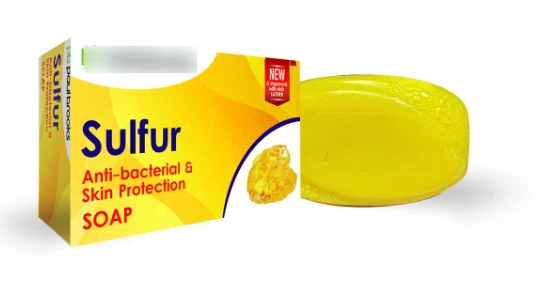
What is sulfur soap?
Sulfur soap, a topical preparation containing elemental sulfur, has been used for centuries to treat various skin conditions. Its therapeutic properties stem from its antibacterial, keratolytic, and sebum-regulating actions.
Key Mechanisms of Action:
Antibacterial: Sulfur inhibits the growth of bacteria, making it particularly effective for acne, folliculitis, and other bacterial skin infections.
Keratolytic: Sulfur helps to soften and shed the outer layer of the skin, aiding in the removal of dead cells and reducing the thickness of thickened skin in conditions like psoriasis.
Sebum Regulation: Sulfur can help regulate the production of sebum, an oily substance that can contribute to acne and other skin conditions.
Common Uses:
Acne: Sulfur soap is often recommended for mild to moderate acne due to its ability to kill acne-causing bacteria and reduce inflammation.
Psoriasis: It can help to soften and remove scaly patches associated with psoriasis, improving the appearance of the skin.
Eczema: Sulfur may be beneficial for certain types of eczema, particularly those with bacterial overgrowth.
Fungal Infections: In some cases, sulfur soap can be used to help treat fungal infections like athlete's foot or jock itch.
Benefits of Sulfur for Skin
Some of the characteristics of sulfur that make it great as an acne treatment (for instance, its anti-inflammatory and antibacterial properties1) are also helpful for treating an array of other skin concerns.
Dries out blemishes: According to Shah, sulfur reduces sebum (oil) on the skin. When applied to the blemish, sulfur works to dry out the skin so it can then be sloughed away.
Promotes exfoliation: Sulfur works to exfoliate dead skin and remove impurities. Shah says that sulfur has a keratolytic effect (meaning it works to soften and thin the epidermis), which helps remove dead skin cells and prevent clogged pores.
Fights bacteria: Sulfur has antibacterial properties, and, according to Cheung, sulfur is a dermatologist's favorite because it kills bacteria, fungi, and various parasites.
Treats sensitive skin conditions: Cheung says because sulfur is anti-inflammatory and helps to soften and exfoliate thick, dead skin, it's often used to treat acne, psoriasis, and seborrheic dermatitis or dandruff. Shah adds that it's also known to treat eczema and rosacea.
How To Use Sulfur Soap
Sulfur soap is used for skin conditions like acne and psoriasis.
- Prepare the skin: Thoroughly wet the affected area with warm water to soften the skin and open pores.
- Apply the soap: Lather a small amount of sulfur soap in your hands or on a loofah. Gently massage the lather into the affected area, avoiding excessive scrubbing.
- Rinse thoroughly: Rinse the lather off completely with warm water, ensuring no residue remains.
- Pat dry: Gently pat the skin dry with a clean towel. Avoid rubbing to prevent irritation.
- Moisturize: Apply a gentle, fragrance-free moisturizer to the affected area to help soothe and hydrate the skin.
- Follow instructions: Use sulfur soap as directed on the product label. The frequency of use may vary depending on the specific condition being treated.