
Why Hand Soap Expiration Matters
One of the personal care products we use most often is hand soap. We need soap to keep our hands clean and free of hazardous bacteria, whether it's a bar beside the sink or a liquid dispenser in the kitchen. Most of us pay close attention to the expiration dates on food and cosmetics, but it's easy to forget about the expiration date on something as simple as hand soap.
However, using soap that has passed its expiration date might have effects. For example, it may not work as well over time and, in rare situations, it may even irritate the skin. To keep your skin and hygiene healthy, you need to know if hand soap goes bad and how to tell when it does.
Do Hand Soaps Expire? The Short Answer
Yes, hand soaps do go bad. Liquid and bar soaps don't go bad like food does, but they can lose their effectiveness and stability over time. Most commercial soaps have a shelf life of 2 to 3 years, depending on how they are made and how they are stored.
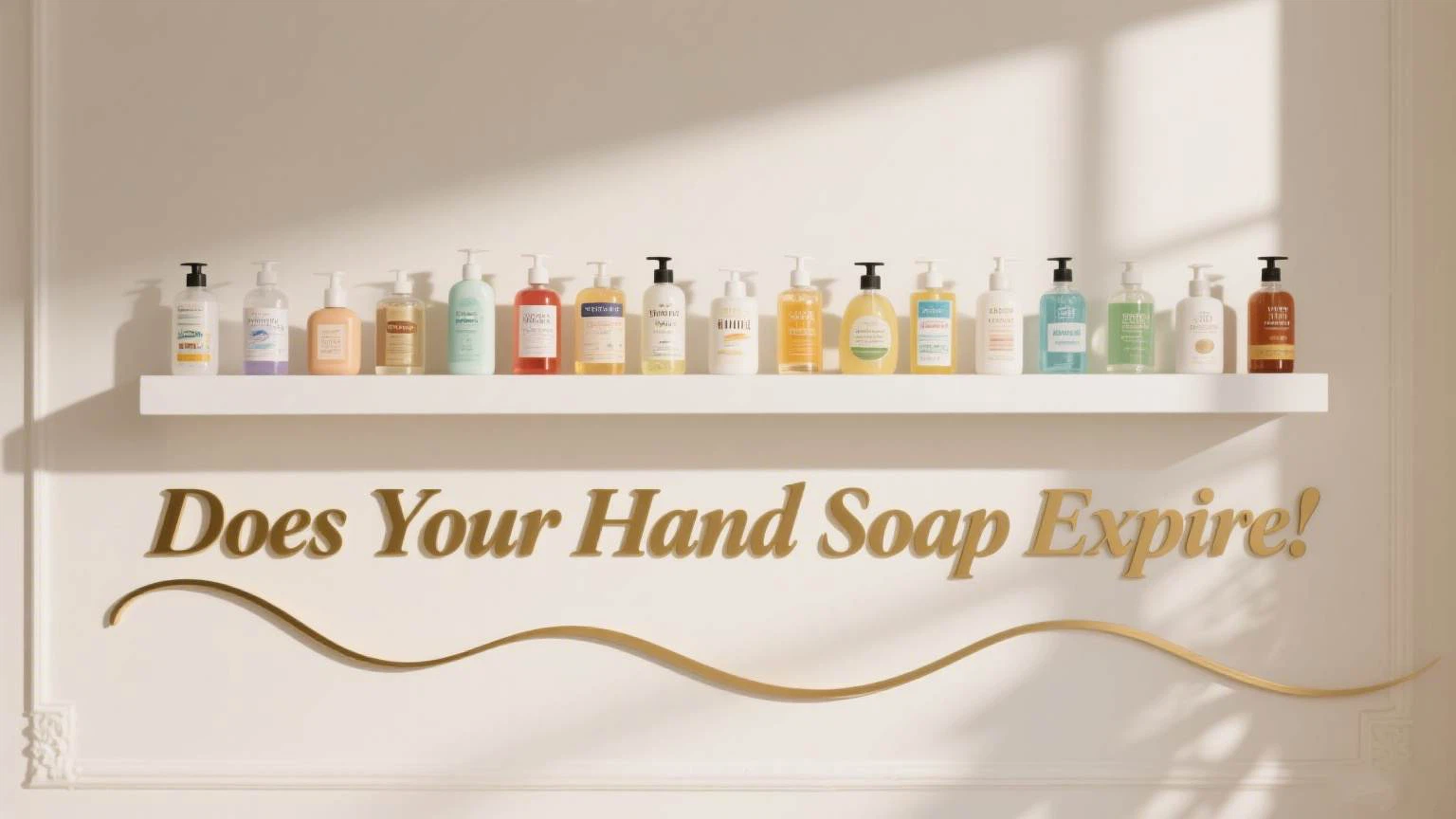
The time it takes for the soap to go bad also depends on whether it is opened or not. A product that hasn't been opened and is kept in a cold, dry place can work longer than one that has been used a lot, exposed to air, or moisture. Natural or handcrafted soaps, which generally don't include synthetic preservatives, usually don't last as long as regular mass-produced soaps.
Shelf Life of Different Types of Hand Soap
Not all hand soaps get older in the same manner. Liquid hand soaps usually last between 24 and 36 months, especially if they have preservatives to stop bacteria from growing. Once you open them, they may go bad quickly, especially if they get hot or humid.
Bar soaps, on the other hand, stay longer-sometimes up to three years or more-because they have less water in them, which makes them less likely to get contaminated by microbes. However, natural or homemade bars that don't have any artificial stabilizers or synthetic scents may start to dry up, crack, or lose their scent after 12 to 18 months.
We at Poleview Biotechnology provide both liquid and bar soap that have been tested in varied storage settings to make sure they last as long as possible. We can make our formulations satisfy natural requirements without reducing shelf life, which helps manufacturers give their customers solid, reliable products.
How to Tell If Your Hand Soap Has Expired
Not all expired hand soap has a warning label, but there are clear symptoms you may look for. The smell is one of the most obvious changes. If the scent smells bad, sour, or particularly weak, the product may have gone bad. Changes in color or texture, such when liquid soap gets cloudy or bar soap gets brittle, can also mean that it is no longer at its optimum.
Liquid soaps might separate, with oils and water forming layers, or they might not lather as much as they usually do. The surface of bar soap could get sticky, dry, or too soft. Using soap that has passed its expiration date may not hurt your skin right away, but it probably won't be as good at cleaning and killing bacteria.
Always look at the batch code or expiration date on the packaging to be sure. Hand soap manufacturer Poleview assist customers and manufacturers keep track of product quality over time by clearly identifying dates and assessing stability.
Does Expired Hand Soap Still Work?
Expired hand soap could still clean your hands, but not as well as it used to. Over time, the active cleaning chemicals in both liquid and bar soaps can break down, making them less effective at getting rid of dirt, oil, and bacteria. This is especially true with antibacterial soaps, which may not work as well since the antimicrobial chemicals may lose their strength.
Sometimes, especially with natural or handcrafted soaps, the breakdown of essential oils or plant-based constituents can make the skin itchy, dry, or smell bad. Using soap that has gone bad isn't always dangerous, but it might make things feel dirty or leave behind a film.
Tips for Storing Hand Soap Properly
If you store your hand soap properly, it can last a lot longer and work better. When not in use, it's crucial to keep liquid soap bottles well sealed and store them in a cool, dry place away from direct sunlight and heat. When exposed to high temperatures, active substances might break down and produce separation or thickening.
You should keep bar soap dry between uses, and a soap dish that gets good air flow is best. If natural bars don't have a lot of preservatives, they can go soft, crack, or even mold if they are always wet.
We offer packaging solutions at Poleview Biotechnology that preserve soap goods from stress in the environment. These include airtight dispensers and wraps for bar soaps that keep moisture out. These package features make a big impact in how well a product works and how happy customers are with it for firms that want their products to last a long time on the shelf and be easy to find.
Can You Use Expired Soap for Other Purposes?
Even though expired hand soap isn't good for your skin, you don't have to throw it out. You may often use old liquid or bar soap for cleaning around the house in other ways. It can be used to clean brushes, wash floors, or even get rid of stains before they go in the laundry.
You may also melt down remnants of bar soap and use them to make your own cleaning blocks or laundry bars. If the soap contains mold, smells bad, or feels strange, it's not safe to use anymore.
When to Replace Your Hand Soap
It's just as vital to know when to change your hand soap as it is to choose the perfect one. It's probably time to throw away your soap if it smells strange, changes color, or stops foaming. It's time to get new soap if your liquid soap has separated or thickened, or if your bar soap feels sticky or crumbly.
Long-term storage, especially after opening, might make soap less effective, even if it looks fine. As a general rule, you should throw away liquid soaps after 12 months and bar soaps after 24 months, depending on what they are made of.
Choosing High-Quality Hand Soap with Longer Shelf Life
For both customers and businesses, it's important to use hand soap that stays good over time. High-quality soaps frequently include stable formulas, preservatives that work well, and components that are carefully chosen to prevent breaking down. Avoiding cheap ingredients and too much moisture will help a soap last longer.
Working with experienced manufacturers like Poleview Biotechnology is an obvious advantage for businesses that want to start or grow their product lines. Poleview custom hand soaps with superior preservation technology, strict quality control, and formulae that can be changed to meet specific shelf life needs. This makes sure that your product stays safe, useful, and attractive to clients long after they buy it.
FAQ
Q: Does unopened bar soap go bad?
A: Yes, even unopened bar soap can go bad. If you store it carefully, it will keep for 2 to 3 years.
Q: Is it okay to use hand soap that has gone bad?
A: It's not a good idea to use old soap because it can not clean as well and could irritate your skin.
Q: Question 3: How long does soap last?
A: Without preservatives, natural soaps normally stay good for 12 to 18 months.
Q: How can I read the expiration codes on soap packages?
A: Check the bottom or back of the packaging for printed batch codes or "best by" dates.
Q: What happens if you use soap that has gone bad?
A: Expired soap might not work as well and could make your skin dry or irritated, but it's usually not dangerous in little amounts.