
What is HPV?
HPV stands for "human papillomavirus".
The HPV family includes nearly 200 viruses that differ in their genetic composition. For this reason, we speak of HPV types.
About 40 HPV types can infect the genitals and the anus. Some of these viruses can also affect the mouth or throat.
HPV types 6 and 11 cause more than 90% of condylomas, also called genital warts. These types are considered low-risk as they're not typically linked to cancers.
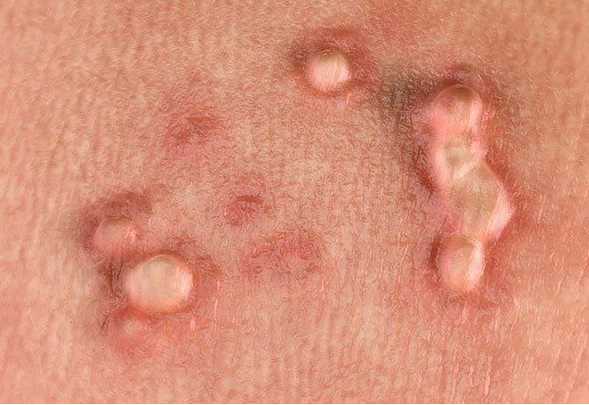
HPV types 16 and 18 cause 77% of cervical cancers, 40% of vaginal and vulvar cancers, and 90% of anal cancers. These types are considered high-risk as they're frequently linked to cancers.
What are the symptoms of the various HPVs?
Types 1 and 2 cause warts on the hands, but not on the genitals or the anus. Types 6, 11, 40, 42, 43, 44, 53, 54, 61, 72, 73, and 81 cause genital warts in the shape of tiny cauliflowers. However, types 6 and 11 cause 95% of HPV-related condylomas. Types 16, 18, 31, 33, 35, 39, 45, 51, 52, 56, 58, and 59 are 68 considered high risk for cervical cancer. Types 16 and 18 are the most dangerous, as they're responsible for about 70% of cervical cancers, and they lead to cancer much faster than other high-risk HPVs.
can you get HPV from sharing soap?
HPV, or Human Papillomavirus, is primarily transmitted through skin-to-skin contact, most commonly during sexual activity. This includes oral, anal, and vaginal sex. The virus can be passed even when there are no visible signs of infection.
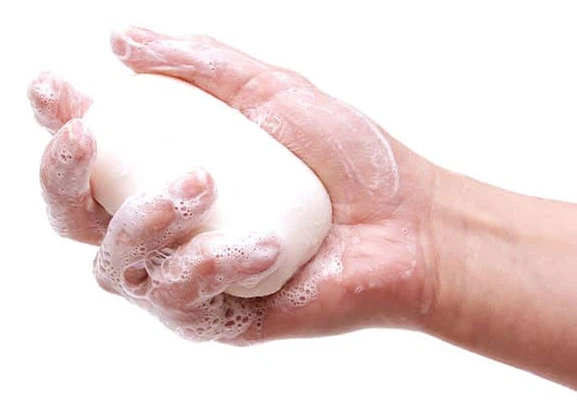
While HPV can be transmitted through skin-to-skin contact, sharing personal items like soap does not pose a significant risk for transmission. The virus is not easily spread through inanimate objects.
If you have concerns about HPV, it's important to consult with a healthcare provider. They can provide more information about the virus, its transmission, and prevention methods. Additionally, there are effective vaccines available to protect against HPV.