
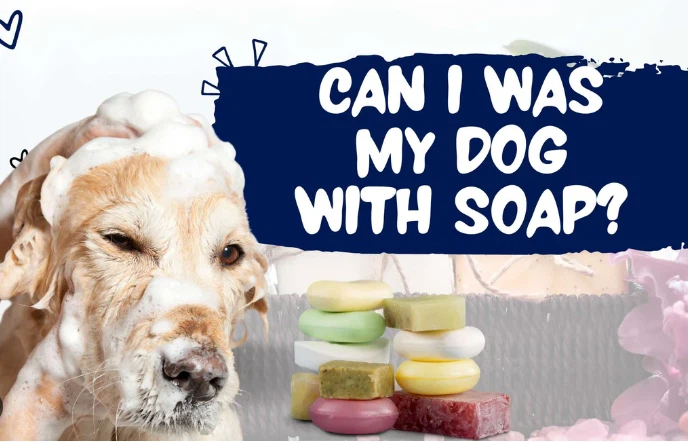
We've all been there. Your dog just rolled in something unspeakable in the backyard, you grab the leash, drag them to the bathroom - and realize you're completely out of dog shampoo. There's a bar of Dove on the shower ledge, some dish soap under the kitchen sink, and a half-empty bottle of body wash. You're wondering: will any of this work?
It's one of the most common pet hygiene questions out there, and the answer isn't a clean yes or no. Some soaps are worse than others. Some are passable in a pinch. Let me walk you through the full picture so you know exactly what's safe, what's risky, and what you should actually be reaching for.
The Short Answer: It Depends on the Soap
Most human soaps aren't great for dogs. They're formulated for our skin, not theirs, and the chemistry differs enough to cause real problems with repeated use. That said, if your dog just got into a trash can and you have nothing else, certain options are far less harmful than others for a one-time emergency wash.
This article breaks down exactly why human soap causes issues, ranks specific types from least to most risky, and gives you proper alternatives - including homemade dog shampoo recipes you can mix up in five minutes. Let's start with the science, because it explains everything.
Why Human Soap Is a Problem for Dogs
Dog Skin pH Balance Is Different From Ours
Here's the thing most people don't realize: your skin and your dog's skin operate at different pH levels. Human skin runs around 5.5 on the pH scale - fairly acidic. Dog skin sits between 6.2 and 7.4, much closer to neutral.
Why does this matter? Soaps and cleansers are formulated to work within a specific pH range. When you use a product designed for human skin on a dog, it's too acidic for them. It strips the natural oils that keep their skin hydrated and protected.
The result isn't always instant. But over time - or even after a single wash on a sensitive dog - you'll see dryness, flaking, irritation, and increased vulnerability to bacterial or yeast infections.
The Acid Mantle - Your Dog's Invisible Shield
Both humans and dogs have something called an acid mantle. Think of it as a thin, slightly acidic film sitting on top of the skin. It works like a barrier - keeping moisture in and bacteria, viruses, and environmental irritants out.
When you wash your dog with a soap that doesn't match their pH, you disrupt this mantle. The skin temporarily loses its protective layer. In a healthy adult dog, one disruption might not cause visible damage. But here's the catch: effects often don't show up for two to three days. By then you might notice scratching, hot spots, or red patches and never connect it to that bath earlier in the week.
Repeated disruption compounds the problem. The mantle doesn't fully recover between washes, and your dog ends up in a cycle of irritation that gets blamed on allergies or diet - when the soap was the culprit all along.
What About Specific Types of Soap?
Is Dish Soap Safe for Dogs?
Dawn dish soap comes up constantly in this conversation. There's a reason. It's what wildlife rescue organizations use to clean oil off birds and otters. It cuts grease effectively, and it does kill fleas on contact by breaking down their exoskeletons.
So yes, in a genuine flea emergency or if your dog got into motor oil or something similarly nasty, a one-time wash with plain, unscented Dawn is a tool in your kit. But it is extremely drying. It's designed to strip grease off pots and pans - which means it strips every bit of natural oil from your dog's coat and skin too.
Never use dish soaps with added fragrances, antibacterial agents, or bright dyes. Those additives introduce a whole separate set of irritation risks. And never make dish soap a regular bathing habit. It's a last resort, not a routine.
Bar Soap
Unscented, moisturizing bar soaps like Dove are among the less harmful options if you truly have nothing else. Dove in particular contains moisturizing cream, which offsets some of the drying effect. Ivory is milder than many alternatives too.
They're still pH-mismatched for dogs, so treat this as a single-use emergency solution - not something you'd reach for regularly. Avoid any bar soap with strong fragrance, exfoliating beads, deodorant chemicals, or antibacterial agents like triclosan.
Body Wash and Shower Gel
This is probably the worst option in your bathroom. Most body washes are loaded with sodium lauryl sulfate, synthetic fragrances, parabens, and various chemicals designed to lather impressively and smell strong. That combination is a recipe for allergic reactions and skin irritation on a dog.
The fragrance load alone can cause problems - dogs are far more sensitive to chemical fragrances than we are. Skip the body wash entirely. If it's all you have and your dog is covered in something genuinely dangerous, it's still better than leaving a toxic substance on their coat. But of all the options on this list, it carries the highest irritation risk.

When It's Actually Okay to Use Soap on Your Dog
Let's be practical. There are situations where bathing your dog with human soap is the right call despite the downsides:
Skunk spray (you need something immediately, and the smell won't wait)
A toxic or chemical substance on their coat that needs to come off now
You're traveling, it's late, stores are closed, and your dog is genuinely filthy
If you do use human soap, rinse thoroughly - more thoroughly than you think necessary. Soap residue sitting on skin causes more irritation than the wash itself. Follow up with a light coat of coconut oil if you have it, and watch your dog for the next 48 hours. Look for redness, excessive scratching, flaking, or dry patches.
One important note: puppies, senior dogs, and breeds known for sensitive skin - Bulldogs, Pit Bulls, Shar-Peis, and any dog with existing skin conditions - should never get human soap if there's any alternative available. Their skin is already compromised or more reactive. The wrong product can trigger significant flare-ups.
Dog Safe Soap Alternatives You Should Keep on Hand
Store-Bought Dog Shampoos
The simplest solution? Keep a proper dog shampoo in your house. They're formulated for canine pH, they rinse clean, and they come in varieties for basically every need - sensitive skin, flea control, deodorizing, medicated formulas for fungal or bacterial issues.
A quick note on ingredient lists: just because something is marketed for dogs doesn't automatically make it gentle. Check the label. Avoid artificial dyes, parabens, and heavy synthetic fragrances even in pet-specific products. Good rule of thumb - if the ingredient list is 30 items long and you can't pronounce half of them, there's probably a simpler option out there.
Homemade Dog Shampoo Recipes
If you prefer knowing exactly what's going on your dog's skin - or if your dog reacts to commercial products - homemade options work surprisingly well.
Oatmeal Soothing Wash: Grind one cup of plain oats into a fine powder (a blender works), mix with half a cup of baking soda and one cup of warm water. This creates a paste you can massage into wet fur. It's especially good for itchy, irritated skin. Rinse well.
Gentle Cleansing Shampoo: Mix two tablespoons of diluted unscented castile soap with two tablespoons of coconut oil (melted) and one cup of warm water. You can add two or three drops of lavender essential oil if your dog tolerates it. Important - many essential oils are toxic to dogs. Lavender and chamomile are generally considered safe in tiny amounts. Tea tree, peppermint, citrus oils, and cinnamon are not. When in doubt, skip the essential oils entirely.
These homemade dog shampoo options work well for dogs with sensitivities, and they cost almost nothing to make.
Waterless and Dry Shampoo Sprays
These won't replace a real bath, but they're great for between-wash freshening. Dog's a little smelly but not dirty? A quick spritz and wipe-down can buy you another week before bath time. They're also useful for spot-cleaning - muddy belly, dirty paws - without the full production of a bath.
How Often Should You Actually Bathe Your Dog?
Most dogs do well with a bath every four to eight weeks. The exact frequency depends on breed, coat type, lifestyle, and whether your dog treats every puddle like a personal spa.
Over-bathing is a real thing, even with proper dog shampoo. Washing too frequently strips the same oils we've been talking about and creates dryness regardless of what product you use. Short-coated breeds like Beagles and Boxers generally need fewer baths. Long-coated and double-coated breeds might need more brushing and grooming, but that doesn't necessarily mean more water and soap.
If your dog doesn't smell and their coat looks healthy, they probably don't need a bath yet. Dogs aren't humans - they don't need daily showers to stay clean.
Final Thought: Keep Dog Shampoo Stocked Like You'd Keep Toothpaste
Look, your dog isn't going to fall apart if you use a bar of Dove on them once because you were caught off guard. But it's such an easy problem to prevent. Grab a bottle of dog shampoo next time you're at the store - toss it under the sink and forget about it until you need it. They're inexpensive, they last forever since dogs don't need frequent baths, and you'll never have to stand in your bathroom Googling "is dish soap safe for dogs" while your muddy Lab stares at you from the tub.
Your dog's skin does a lot of quiet work protecting them. The least we can do is use the right soap for the job.
Frequently Asked Questions
Q: Can I Use Baby Shampoo On My Dog?
A: Baby shampoo is one of the safer emergency substitutes. It's designed to be gentle and sits closer to pH-neutral than most adult products. It won't cause the same level of drying that regular soap does. That said, it's still formulated for human skin - treat it as an occasional backup, not your go-to.
Q: Will Soap Kill Fleas On My Dog?
A: Dish soap can drown and suffocate fleas during a bath - you'll see them floating in the water. But it provides absolutely zero residual protection. The moment your dog dries off, new fleas from the environment will hop right back on. For actual flea control, you need a proper preventative treatment.
Q: What If My Dog Has An Allergic Reaction To Soap?
A: Rinse the area thoroughly with cool water to remove any remaining product. Watch for hives, swelling, excessive redness, or difficulty breathing. Mild irritation often resolves within a day. If symptoms worsen, spread, or your dog seems distressed, call your vet. Antihistamines like Benadryl can help with mild reactions, but check with your vet on dosing first.
Q: Can I Use Hand Soap To Wash My Dog's Paws?
A: For muddy paws, plain water and a towel usually does the job. If they stepped in something sticky or smelly, a tiny amount of unscented gentle hand soap on just the paws - not a full-body lather - is low-risk. Rinse completely and dry between the toes. Moisture trapped there can encourage yeast growth.
Q: Is Coconut Oil Good For Dogs After A Bath?
A: Yes. A small amount rubbed into the coat and skin can help restore moisture, especially after an emergency wash with human soap. Don't go overboard - a little goes a long way. Too much leaves the coat greasy and attracts dirt. About a teaspoon for a medium-sized dog, warmed between your palms and worked through the fur, is plenty.