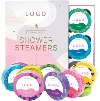

Shower steamers have become very popular in the field of personal care. Because they smell like a spa and are easy to use, they are a favorite among people who appreciate aromatherapy and prefer showers to baths. But when this becomes more widespread, a critical question comes up: Are shower steamers safe to use?
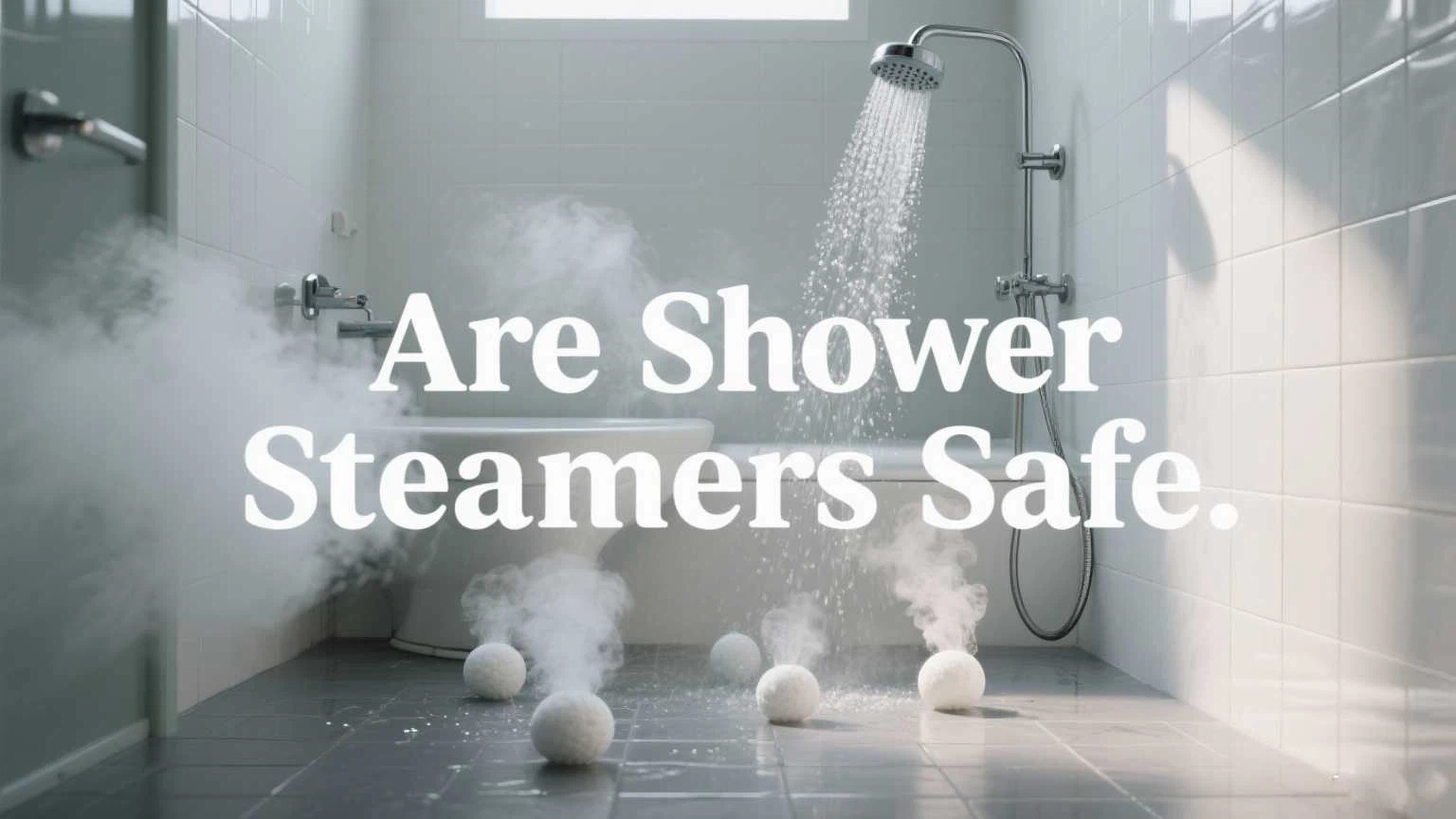
We'll go into great detail in this post on what shower steamers are composed of, how to use them correctly, and what steps to take to keep yourself safe, especially if you have kids, pets, or sensitive skin. This guide will help you enjoy your steamers with peace of mind, whether you're new to the fad or have been a fan for a long time.
What Are Shower Steamers Made Of?
Shower bombs, shower fizzies, or shower steamers are little tablets that produce scented vapors when they come into contact with hot water and steam. Most of the time, they are made of:
- Baking soda (sodium bicarbonate) and citric acid – the same fizzing combo found in bath bombs
- Essential oils – like eucalyptus, lavender, or peppermint
- Natural colorants or botanicals – for visual appeal
- Sometimes menthol crystals – to intensify the scent and open up sinuses
To avoid irritating the skin and lungs, premium or natural brands don't use synthetic scents, dyes, or preservatives.
Are Shower Steamers Safe for Skin Contact?
Shower steamers, on the other hand, are not meant to touch or moisten the skin directly. They are made to stay on the shower floor or shelf, where they won't be touched directly.
But their strong essential oils might irritate the skin if you contact them directly, especially if your skin is already sensitive or injured.
To stay safe:
- Put the steamer at the edge of your shower so it gets splashed but not wet.
- Don't sit or stand on it immediately.
- If you touch a broken or damp tablet by mistake, wash your hands.
Are Shower Steamers Safe for Children and Pets?
- Strong smells can be too much for tiny children or animals with sensitive noses.
- Essential oils like eucalyptus and peppermint could not be safe for babies or cats.
- If you leave steamers out in the open, your pets could try to lick or chew on them.
- Don't use steamers with menthol or powerful oils when youngsters are taking a shower.
- Don't use shower steamers in small places where pets are present.
- Put unused steamers in sealed containers where they can't be reached.
Can Shower Steamers Damage Plumbing or Tiles?
No, high-quality shower steamers won't clog drains or damage your tiles. They should dissolve entirely in hot water and rinse away completely.
But things can go wrong if:
- Steamers have big pieces of dried flowers, glitter, or plastic embellishments in them.
- Residue builds up when you don't rinse well or use it a lot.
- Products that aren't very good use binding agents that don't completely dissolve.
To avoid problems:
- Pick steamers that are water-soluble and don't have any additives.
- After you use it, rinse your shower.
- Put the steamer on a soap dish or mesh bag to control how it melts.
Are the Scents in Shower Steamers Safe to Inhale?
This is one of the most important safety questions users have, and they are correct to have it.
Most of the time, breathing in the natural vapor from essential oils is safe and even good for you, especially if you want to relieve stress, sleep better, or help your sinuses.
But there could be complications for:
- People who have asthma, allergies, or are sensitive to breathing
- People who use small, poorly ventilated bathrooms
- Pregnant people who are sensitive to strong smells
Tips for safe use:
- Use in a bathroom with good air flow
- If you're new to aromatherapy, only use it once every few days.
- Stay away from odors that are too strong or fake.
How to Choose Safe, High-Quality Shower Steamers
Not all shower steamers are created equal. Look for the following qualities to ensure you're using a safe product:
✅ Transparent ingredient list
✅ Free from parabens, phthalates, and synthetic dyes
✅ Cruelty-free and vegan certifications (optional but a good trust indicator)
✅ Dermatologist-tested or sensitive-skin approved
✅ Positive customer reviews
Buying from trusted brands, especially those focused on natural or organic products, greatly reduces risk.
DIY Shower Steamers: Are Homemade Versions Safer?
If you do it right, DIY shower steamers can be a terrific natural option. You can choose the ingredients and avoid those that bother you. But there are some hazards, such as:
- Using too much essential oil can cause unpleasant fumes or skin discomfort.
- Adding things that don't mix well
- Improper storage might cause mold to grow or the aroma to fade.
Tips for making safe DIY recipes:
- Use only a little amount of essential oils (10 to 20 drops per batch).
- Use easy-to-find, food-safe things like citric acid and baking soda.
- Put it in a dry, sealed container.
What to Do If You Have a Reaction to a Shower Steamer
Even though safeguards are taken, some persons may still have moderate reactions, such as:
- Rashes or inflammation on the skin
- Strong smells can give you headaches.
- Coughing or sneezing because to menthol fumes
If this happens:
- Stop using the product right away
- Wash the area that is affected with cool water.
- Let air into your bathroom.
- If the symptoms don't go away, see a doctor or dermatologist.
If you have a history of being sensitive, always be careful when trying new things.
Conclusion: Yes, Shower Steamers Are Safe-When Used Properly
In short, shower steamers are usually safe and make your shower routine feel more pleasant and effortless. Most problems come from using things wrong or buying cheap things.
You can experience the benefits of aromatherapy without any worries as long as you use high-quality steamers with clean ingredients and follow the correct safety rules.
FAQ: Quick Answers to Common Safety Questions
Q: Is it okay to use shower steamers when pregnant?
A: Be careful. Stay away from strong oils like eucalyptus and peppermint. If you're not sure, talk to your doctor.
Q: Is it okay to use shower steamers in a small bathroom?
A: Yes, but make sure there is excellent airflow and stay away from strong smells.
Q: How often may I use steamers in the shower?
A: For people who utilize it regularly, 2 to 3 times a week is best. It's fine to use moderate formulations every day.
Q: Do shower steamers go bad?
A: Yes, usually within 6 to 12 months. To make it last longer, keep it in a dry place.