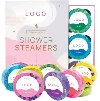

You've probably stood in your bathroom holding one of those fizzy little tablets, wondering if it's the same thing as a bath bomb. They look almost identical. They fizz the same way. So what's the harm in tossing one into a warm tub?
Turns out, more than you'd think. Let's get into it.
Quick Answer: The Short Version Before We Dig In
If you're mid-bath-prep and just need a fast answer, here it is.
The One-Sentence Verdict
No, aromatherapy shower tablets aren't really designed for tub use - they're packed with way more essential oil than your skin should sit in for 20 minutes.
When People Usually Ask This Question
Most folks end up googling this for the same handful of reasons: a gift set came with both products and the bath bombs ran out first, a long day calls for a soak and the cabinet's bare, or pure curiosity after noticing how similar they look. All fair questions. The answer just isn't as simple as the products appear.
What's Actually Inside a Shower Steamer vs. a Bath Bomb
Here's where it gets interesting. These two products share a base recipe but diverge sharply after that.
Shower Steamer Ingredients
Mostly baking soda, citric acid, and a heavy dose of concentrated essential oils. The whole point is to release fragrance fast through hot steam - think of it as aromatherapy for your shower air, not a skincare product.
Bath Bomb Ingredients
Same fizz base, but loaded with skin-friendly extras: cocoa butter, shea, sweet almond oil, sometimes Epsom salts or colloidal oatmeal. These are designed for your body to actually sit in.
The Big Difference: Essential Oil Concentration
This is the part most articles skip over. A shower steamer can contain 5 to 10 times more essential oil per ounce than a typical bath bomb. That ratio is fine when the oils evaporate into steam. It becomes a problem when they float on top of your bathwater and stick to your skin.
So… Can You Actually Drop It in the Tub?
Honest answer? You can. But you probably shouldn't make a habit of it.
Technically Yes, Practically Not Great
It'll fizz beautifully. Your bathroom will smell incredible within seconds. But the actual bathing experience won't deliver what a real bath fizzy gives you - no softening, no silky water, no skin payoff.
What the Bath Will Feel Like
Expect an intense scent hit, possibly a tingly or warm sensation on your skin (especially with eucalyptus or peppermint), and water that feels more "stripped" than nourishing. Some people even describe it as their skin feeling tighter afterward.
Who Should Absolutely Skip It
Anyone with sensitive skin or eczema. Kids. Pregnant folks. People with respiratory conditions. Concentrated eucalyptus shower melts and peppermint blends are the usual troublemakers here - they're potent for a reason, just not the reason you'd want in a bathtub.
The Skin Irritation Problem Nobody Talks About
This part rarely comes up online, and it's genuinely the most important thing to know.
Why Concentrated Essential Oils + Hot Water = Trouble
Essential oils don't actually mix with water. They float. So when a steamer's oil load - designed to be inhaled through steam - ends up on the surface of your bath, it clings directly to your skin in undiluted patches. That's a lot of concentrated plant oil hitting you with no buffer.
Common Reactions to Watch For
Redness, itchiness, a strange burning sensation in sensitive areas. Menthol and citrus oils show up in irritation reports more than anything else. If your skin starts feeling oddly hot or prickly within a few minutes, drain the tub.
The Patch Test Workaround
Still curious? Break off a small chunk - maybe a quarter of the steamer - and drop just that piece in. Step in slowly. If everything feels fine after a few minutes, you've learned something useful about that specific product without committing the whole thing.
When It Might Actually Work Okay
Not every shower steamer turns into a bathtub disaster. A few situations are genuinely fine.
Low-Oil, Mild Scent Formulas
Lavender and chamomile-based effervescent bathing products tend to use gentler oil percentages. These are the most forgiving if you're going to experiment.
Using Half a Steamer Instead of a Whole One
Easy trick. Half the steamer, half the oil load, half the risk. You still get a pleasant scent without overwhelming the water.
Adding a Carrier Oil to the Water
A spoonful of jojoba or fractionated coconut oil helps disperse those essential oils more evenly so they don't pool against your skin. It's the same principle aromatherapists use when blending oils for massage - dilution makes everything safer.
Better Alternatives If You're Out of Bath Bombs
If you're reading this with the tub already running, here are smarter moves.
DIY Bath Bomb in Under Five Minutes
Two parts baking soda, one part citric acid, a teaspoon of any skin-safe oil (olive, coconut, almond), and a few drops of whatever scent you have. Mix, sprinkle straight into the bath. It won't form a pretty ball, but it does the job.
Pairing a Shower Steamer With a Regular Shower
Honestly? Use the product the way it was designed to be used. Set it on the shower floor away from the direct water stream, and let the rising steam do its thing. You'll get the full aromatherapy experience without any of the skin issues.
Other Tub Add-Ins That Work
Epsom salts for sore muscles. Colloidal oatmeal for itchy or dry skin. A few drops of pre-diluted essential oil blend (already mixed with a carrier oil). All of these give you a spa-feeling soak without the steamer gamble.
How to Tell the Two Apart When Shopping
Packaging gets sneaky, especially in gift sets where both products sit side by side looking nearly identical.
Label Clues to Look For
Phrases like "for shower use only," "place on shower floor," or warnings about direct skin contact are dead giveaways for shower steamers. Bath bombs almost always advertise the soak directly - "drop in tub," "moisturizing bath."
Size and Texture Hints
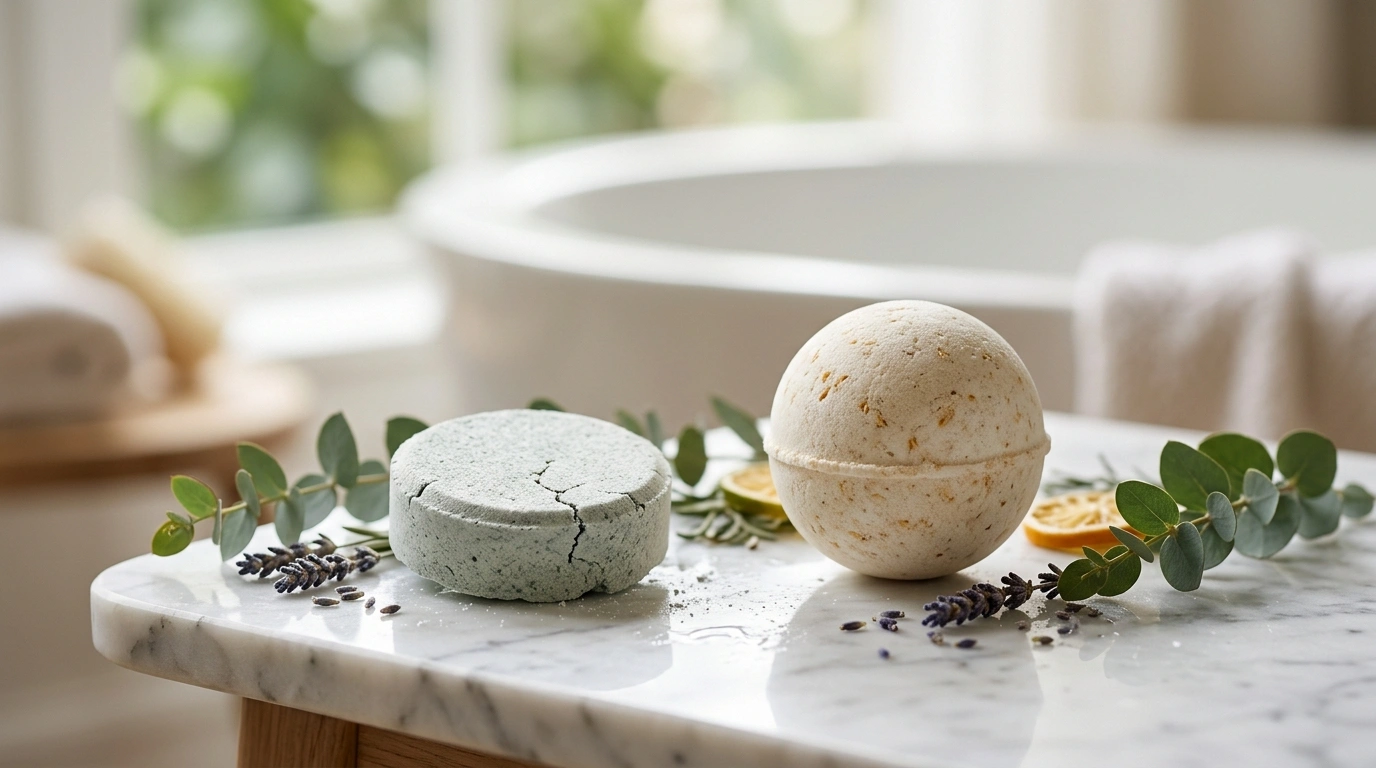
Shower tablets are usually smaller, denser, and more uniform in shape. Bath bombs tend to be bigger, softer to the touch, and often have visible salts, petals, or swirled colors mixed in.
Price Per Unit Comparison
Shower steamers often cost less per piece because they're smaller and simpler - no butters or salts to add cost. If a "bath bomb" is suspiciously cheap and tiny, double-check the label.
The Bottom Line
Shower steamers and bath bombs are cousins, not twins. They share a fizzy base, but everything built on top of it points toward completely different jobs - one for your nose, one for your skin.
Could you swap one for the other in a pinch? Sure. Will you enjoy it as much as the real thing? Probably not. And if you've got sensitive skin, that swap could turn a relaxing soak into an itchy regret. Better to keep each product doing what it was built for - and save the experimenting for the patch tests.

FAQ
Q: Will A Shower Steamer Ruin My Bathtub?
A: Not usually, but the higher oil content can leave a slick residue around the waterline. A quick rinse with hot water after draining handles it. For acrylic or fiberglass tubs, don't let the residue sit overnight.
Q: Can I Use A Bath Bomb In The Shower Instead?
A: Also not ideal. A bath bomb will just dissolve under the running water without releasing much scent into the air. The oils and butters meant to nourish your skin will mostly wash straight down the drain.
Q: Are Eucalyptus Shower Melts Safe Around Pets?
A: Eucalyptus and tea tree oils are known irritants for both cats and dogs, and can be toxic in higher concentrations. Ventilate the bathroom well and keep pets out of the room during and right after use.
Q: What About Kids' Baths?
A: Skip shower steamers in children's tubs entirely. Their skin is thinner and more reactive to concentrated essential oils. Stick with products specifically labeled for pediatric or sensitive skin.
Q: Do Shower Steamers Expire?
A: Most lose potency within 6 to 12 months as the essential oils oxidize. Funnily enough, older ones are actually safer in a tub since the oil concentration drops - but the scent payoff weakens too. You're basically trading aroma for safety.
Q: Can I Cut A Shower Steamer In Half?
A: Absolutely, and it's one of the smartest ways to test tub compatibility without going all-in. Use a sharp knife and cut on a hard surface - they're denser than they look and can crumble if you press too hard.